Advancements in Thermal Interface Materials Drive Efficiency in New Energy Vehicle Power Systems
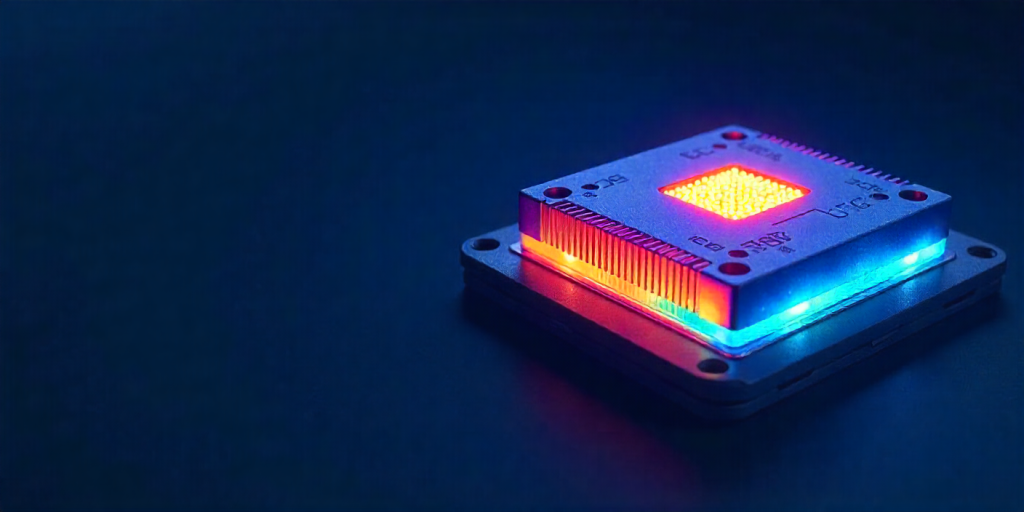
The rapid evolution of electric vehicles (EVs) and hybrid systems has placed unprecedented demands on thermal management solutions, particularly for high-density power electronics in EV battery systems and advanced thermal interface materials for SiC and GaN power modules. As automotive manufacturers push for higher efficiency and longer range, effective heat dissipation has become a critical factor in system reliability and performance.
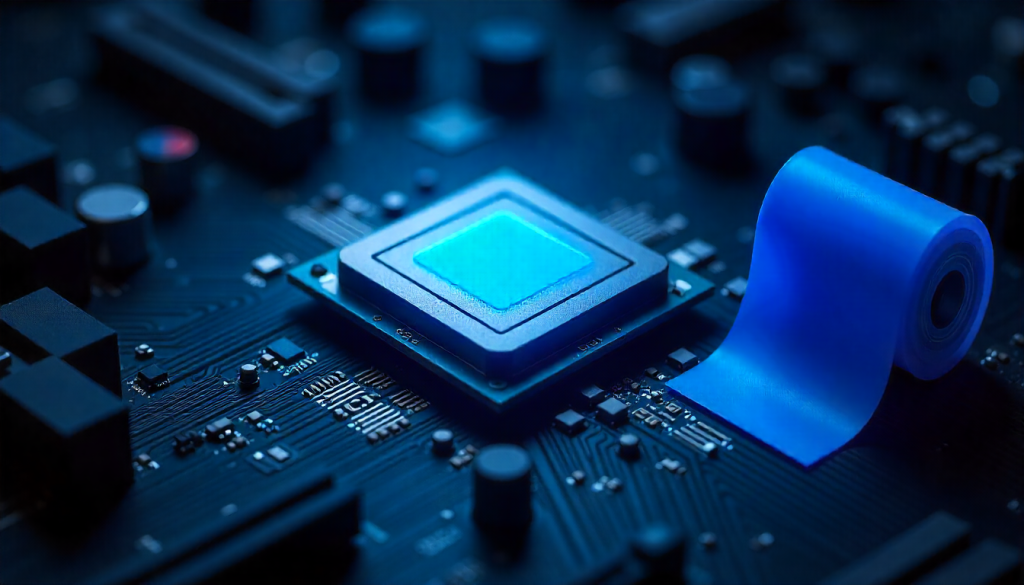
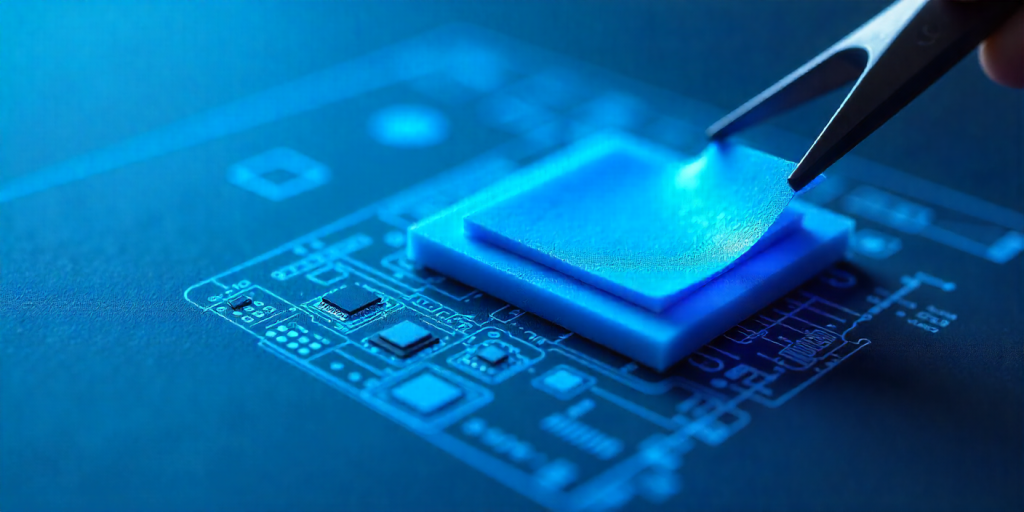
Recent innovations in thermally conductive silicone pads for electric vehicle charging systems have enabled significant improvements in power density and operational stability. These materials address the unique challenges of thermal management under extreme automotive environmental conditions, including vibration resistance, long-term durability, and consistent performance across wide temperature ranges.
Industry leaders are now implementing high-performance thermal interface solutions for automotive power inverters that offer conductivity ratings from 3.0W/m·K to 10.0W/m·K, depending on application requirements. These materials provide effective heat dissipation for traction motor systems while maintaining excellent electrical insulation properties essential for vehicle safety systems.
The development of specialized thermal management materials for fast-charging infrastructure represents another significant advancement. As charging speeds increase, thermal management becomes crucial for preventing component degradation and ensuring system longevity. Manufacturers report that proper thermal interface implementation can extend component life by up to 40% in demanding automotive applications.
Looking forward, industry experts predict continued innovation in thermal interface solutions for next-generation EV platforms, with particular focus on materials capable of handling the thermal loads associated with 800V charging systems and autonomous driving hardware. These developments will play a crucial role in enabling the next phase of electric mobility advancement.