Material Innovations in Consumer Electronics Thermal Management: From 5G Smartphones to Next-Gen Gaming
The consumer electronics arena is undergoing a silent revolution beneath its sleek exteriors. As devices become thinner, more powerful, and multifunctional, the challenge of thermal management in compact 5G smartphone designs and effective heat dissipation for high-refresh-rate gaming displays has escalated from an engineering consideration to a primary design constraint. This shift is driving a surge in demand for ultra-thin thermal interface materials (TIMs) with high performance, pushing material science to its limits.
The core challenge lies in managing soaring heat flux densities within minimal z-heights. The convergence of 5G modems, high-performance application processors (APUs), and fast-charging circuits in smartphones creates localized hotspots that can throttle performance and degrade user experience. Similarly, the pursuit of realistic graphics in thermal management solutions for VR/AR headsets and portable gaming consoles generates significant heat in confined, wearable form factors. The solution is no longer a one-size-fits-all thermal pad. Instead, designers are adopting a hybrid material strategy:
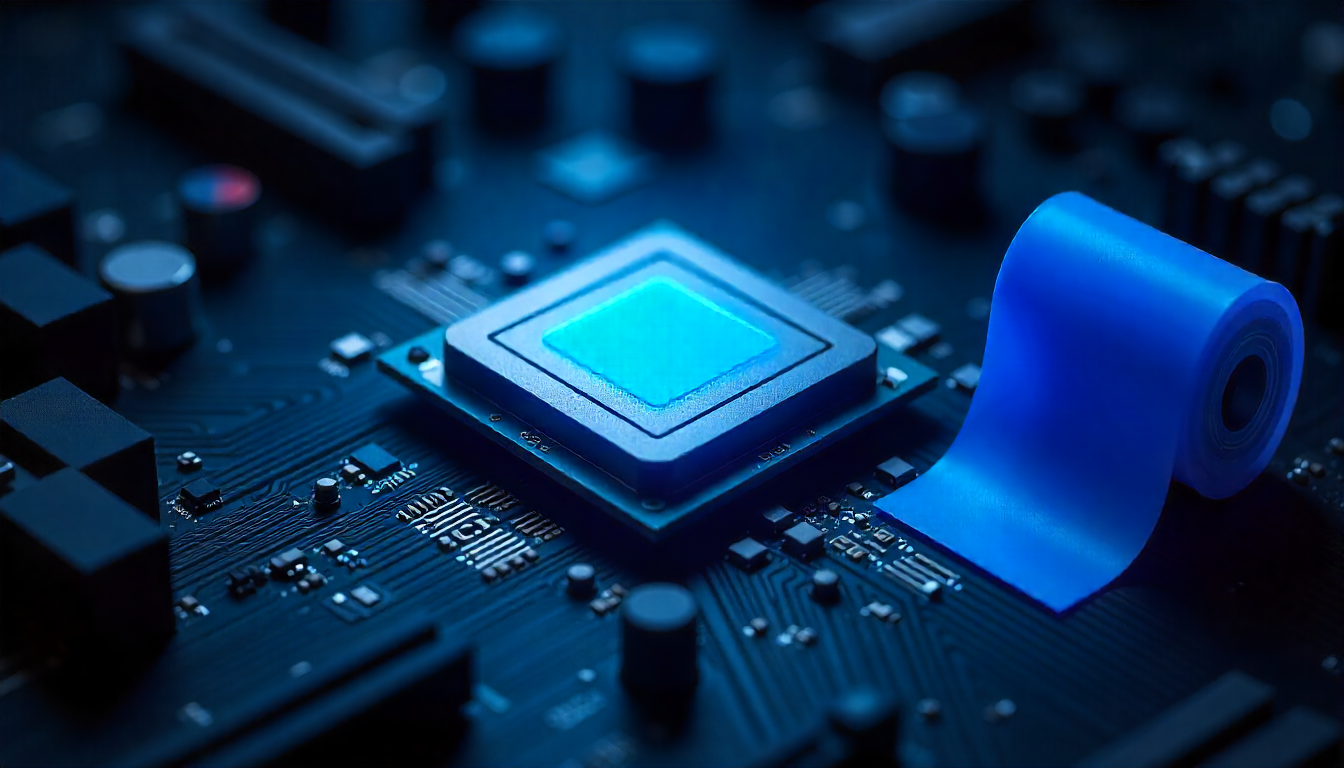
- Thermal Gel & Phase-Change Materials (PCMs): For the primary system-on-chip (SoC), high-conformity thermal gels for uneven die surfaces or PCMs are preferred. They offer ultra-low thermal resistance by perfectly filling microscopic imperfections between the chip and heat spreader, a critical factor for sustaining peak performance in mobile gaming processors.
- Carbon-Based & Ultra-Thin Pads: For secondary heat sources like memory, power management ICs (PMICs), and cameras, carbon-based thermal pads for space-constrained stacked PCBs provide excellent conductivity in thicknesses below 0.25mm. They are essential for enabling slimmer form factors without sacrificing cooling.
- Thermally Conductive Adhesives & Gaps Fillers: These dual-function materials provide both mechanical attachment and thermal pathways, crucial for managing heat in foldable display hinges and securing components that also generate heat.
A Practical Implementation Case: Next-Generation Gaming Handheld
A manufacturer developing a flagship gaming handheld faced performance throttling within 30 minutes of intensive gameplay. The culprit was inadequate heat transfer from the main APU to the vapor chamber. The original thermal pad could not maintain contact under prolonged thermal cycling. By switching to a reliable phase-change thermal interface material for sustained gaming loads, they achieved a 12°C reduction in APU junction temperature. This allowed the processor to maintain its boost clock frequency 40% longer, directly translating to smoother, sustained frame rates—a key marketing advantage confirmed through thermal validation testing for consumer electronic prototypes.
Future Trends: Intelligence and Integration
The next frontier involves smart thermal interface materials with sensing capabilities that can provide real-time temperature data to the device’s operating system for dynamic performance management. Furthermore, research into TIMs for wearable health monitoring devices focuses on biocompatibility and flexibility, ensuring user safety and comfort. As consumer demands continue to push the boundaries of size and performance, advanced, application-specific thermal materials will remain the unsung heroes enabling the next generation of innovative devices.