Thermal Design Strategies for 5G/6G Communication Infrastructure: Ensuring Signal Integrity and Uptime
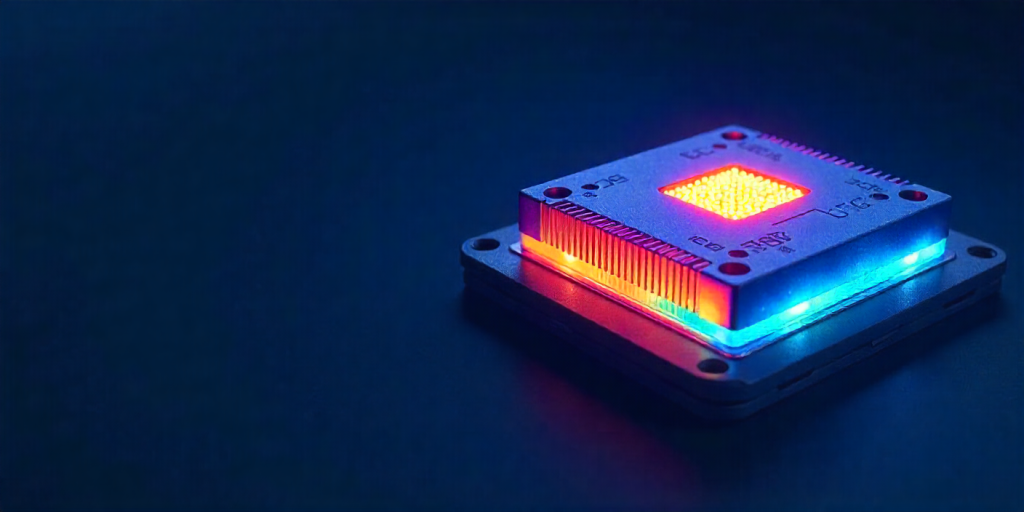
The global rollout of 5G and the nascent development of 6G are not just about faster speeds; they represent a fundamental shift in network architecture that exponentially increases thermal management complexity. Base stations, particularly Massive MIMO antennas and millimeter-wave (mmWave) units, pack unprecedented numbers of power amplifiers and transceivers into compact, often passively cooled enclosures. This creates severe challenges in thermal management for high-frequency RF power amplifiers and preventing signal drift in 5G base station electronics, where even minor temperature fluctuations can degrade signal quality and network reliability.
The heat is twofold: from the digital processing in the Baseband Unit (BBU) and, more critically, from the analog RF components in the Active Antenna Unit (AAU). The use of higher frequency spectrums, essential for 5G’s bandwidth, inherently leads to higher signal attenuation, requiring more powerful amplifiers that generate intense localized heat. Effective thermal interface solutions for outdoor telecommunications cabinets must therefore address:
- High Heat Flux from GaN RF PAs: Gallium Nitride (GaN) transistors enable high efficiency at mmWave frequencies but concentrate heat in tiny areas. This demands high-performance thermal interface materials for GaN-on-SiC devices with exceptional conductivity (often >5 W/mK) to spread heat effectively to heatsinks.
- Environmental Ruggedness: Equipment is deployed in uncontrolled environments, facing dust, moisture, and wide temperature swings (-40°C to +55°C). Materials must be reliable thermal gap fillers for sealed outdoor enclosures, resisting pump-out, drying, and maintaining stable performance over a 10+ year lifecycle.
- Weight and Space Constraints: AAUs are mounted on towers and poles. Lightweight solutions are paramount. Lightweight thermally conductive pads for antenna array cooling help manage weight while ensuring every transceiver element is properly cooled to maintain beamforming accuracy.
A Deployment Case: Urban Small Cell Thermal Optimization
A network operator faced dropped connections and reduced throughput in dense urban small cells during summer afternoons. Analysis showed the AAU’s RF front-end modules were throttling due to overheating. The original generic thermal pad degraded under continuous thermal cycling. By implementing a custom-die-cut, high-thermal-conductivity silicone pad designed for thermal management of Massive MIMO antenna arrays, they reduced the key PA’s operating temperature by 18°C. This eliminated thermal throttling, increased cell capacity by 15%, and significantly improved service reliability, as validated by thermal and RF performance testing for 5G infrastructure.
Future-Proofing for 6G and Open RAN
Looking ahead, the convergence of Open RAN (O-RAN) architecture and the exploration of sub-THz frequencies for 6G will further decentralize and intensify thermal loads. This will drive demand for advanced liquid-cooled thermal interface materials for next-gen radios and thermal management solutions for disaggregated O-RAN hardware units. Proactive thermal design, leveraging tailored, high-reliability interface materials, will be the cornerstone for building the resilient, high-capacity networks of the future.