Solving Overheating in Fast Wireless Charging: Material Strategies for Next-Gen IoT and Mobile Devices
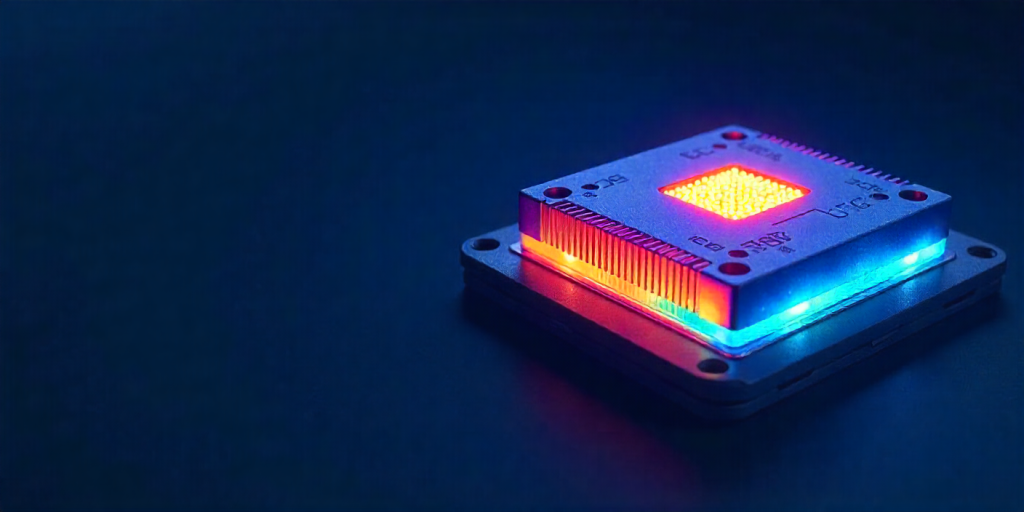
The proliferation of fast wireless charging, particularly in the Internet of Things (IoT) ecosystem and flagship smartphones, has introduced a critical but often overlooked design hurdle: heat. Unlike wired charging where heat can be managed along the cable, wireless charging confines thermal energy within compact device enclosures. This creates a pressing need for thermal management solutions for Qi2 and MagSafe compatible charging modules and heat dissipation materials for high-power wireless charging pads. Overheating not only slows charging speeds but also poses risks to battery health and device longevity, making effective thermal design a key differentiator for product safety and user experience.
The heat in wireless charging systems stems from two main sources: inductive coupling losses in transmitter and receiver coils and inefficiencies in power conversion circuits. As charging power scales beyond 15W to 50W or higher, these losses generate substantial heat in a confined space. To address this, a multi-layered thermal strategy is essential:
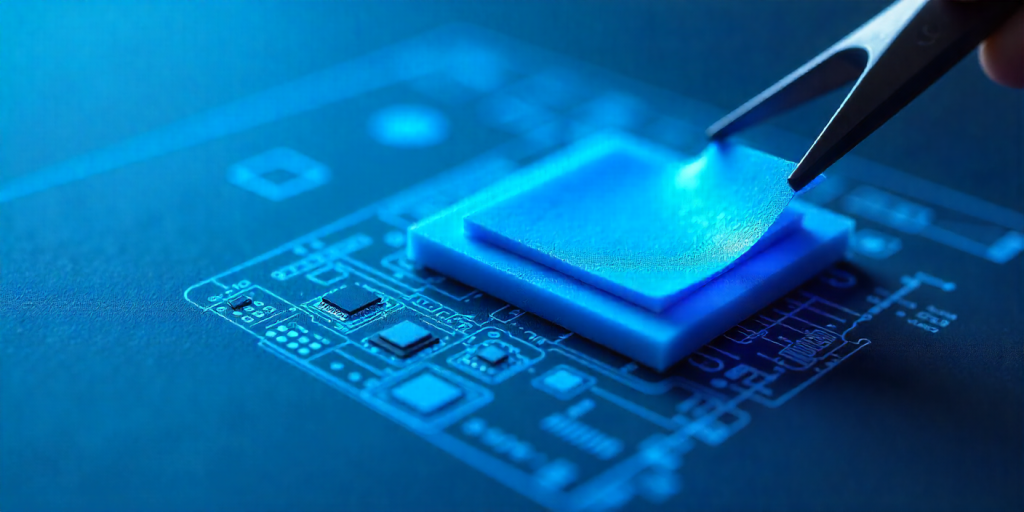
- Coil and Shielding Thermal Coupling: The charging coil and its ferrite shielding are primary heat sources. Using thermally conductive but electrically insulating interface pads for charging coils is crucial. These pads efficiently transfer heat from the coil to the device’s mid-frame or dedicated heatsink, preventing heat from concentrating near the battery.
- Power Management IC (PMIC) Cooling: The PMIC that regulates the received power can become a hotspot. Implementing ultra-thin, high-thermal-conductivity graphite sheets or carbon-based pads helps spread heat laterally across the device interior, protecting sensitive components.
- Pad/Stand Thermal Management: The charging pad itself must dissipate heat to maintain efficiency and safety. Aluminum substrates with integrated thermal interface materials for charging station PCBs are commonly used to draw heat away from the transmitter coil and electronics.
A Practical Case: Smart Home IoT Device Charging Dock
A manufacturer of a multi-device smart home charging dock encountered a critical issue: when charging a smartphone, tablet, and smartwatch simultaneously, the dock’s internal temperature would exceed safety limits, triggering automatic shutdown. The root cause was inadequate heat spreading from the three tightly packed transmitter coils. The solution involved replacing the standard foam insulators with custom-shaped, soft thermal silicone pads with 3.0 W/m·K conductivity. These pads served a dual function: providing mechanical cushioning and creating an efficient thermal path from each coil to the dock’s aluminum baseplate. This redesign reduced the peak internal temperature by 22°C, allowing for full-power, simultaneous charging of all devices without thermal shutdown—a feature prominently highlighted in marketing, directly addressing a common consumer pain point.
SEO & Future-Proofing Considerations
For engineers and product managers searching for solutions, specific long-tail queries like “how to reduce heat in 15W wireless charger” or “thermal pad for smartphone charging coil” are common. Content that provides clear, actionable material strategies (as above) ranks well. Looking ahead, the advent of through-metal wireless charging for automotive and industrial applications will demand even more robust thermal interface materials for high-temperature wireless power transfer systems. Proactively addressing these thermal challenges with advanced materials will be key to enabling faster, safer, and more versatile wireless charging across the entire connected device landscape.