The Silent Upgrade: Smart Thermal Materials Revolutionize Efficiency and Durability in Smart Home Appliances
Beyond flashy screens and voice control, the true revolution in modern smart home appliances lies in an invisible component: advanced thermal management. From high-efficiency variable-speed compressor drivers in inverter refrigerators to the compact power modules of silent dishwashers and washing machines, effective heat dissipation is now a key driver of energy savings, acoustic performance, and product longevity. As consumers demand quieter, more efficient, and longer-lasting appliances, engineers are turning to specialized thermal interface materials for high-humidity appliance electronics to meet these expectations.
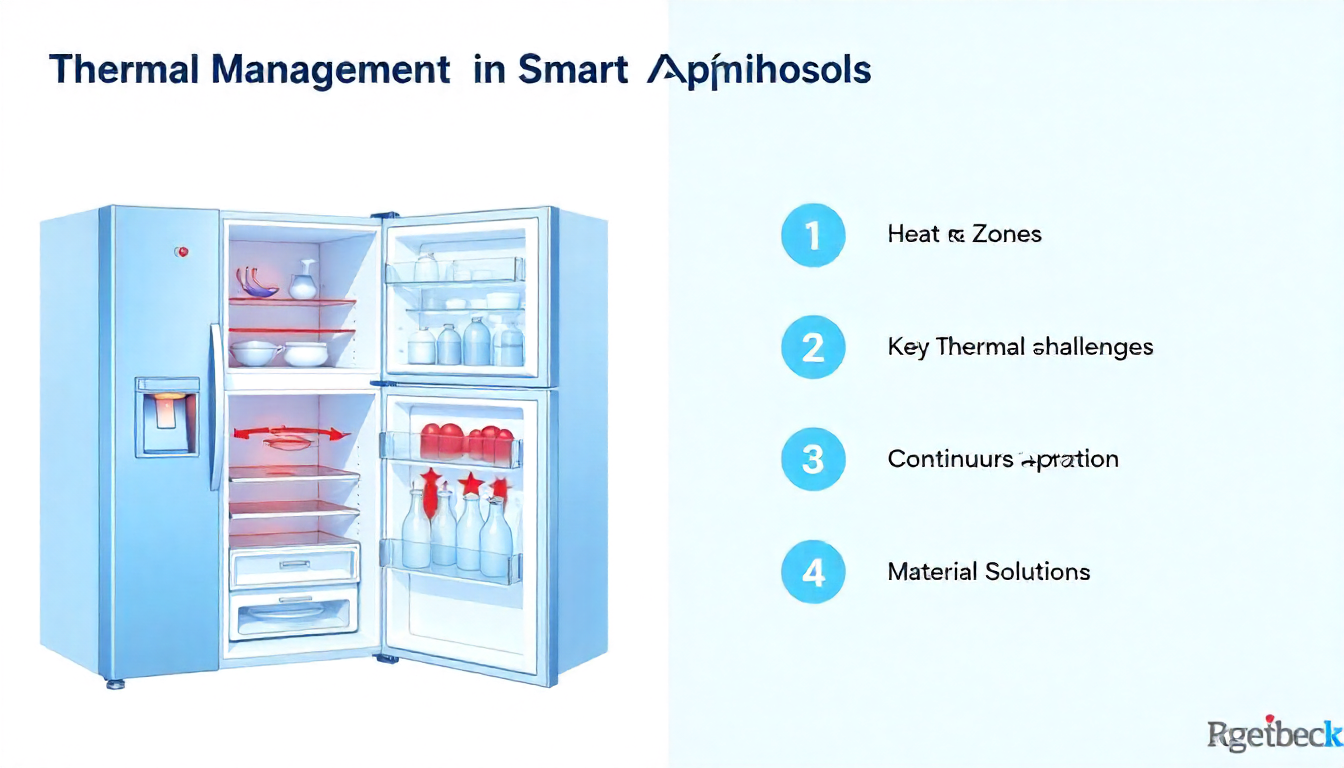
The thermal environment inside appliances is uniquely challenging. Electronics must endure continuous operation, high humidity from steam or condensation, and cost pressures that demand highly reliable yet affordable solutions. Common failure points include:
- Motor Drive Units: Inverter-based motor controls for compressors (fridges, ACs) and drum motors (washers) use IGBTs or MOSFETs that generate significant heat. Electrically insulating and moisture-resistant thermal pads for appliance power boards are critical to prevent overheating that leads to efficiency loss and early failure.
- Induction Cooktop Coils: These operate at high frequencies, heating the pan but also the coil and its driver electronics. Thermally conductive but electrically insulating ceramics or high-performance pads are used to manage the heat from the RF power components, ensuring stable cooking power and safety.
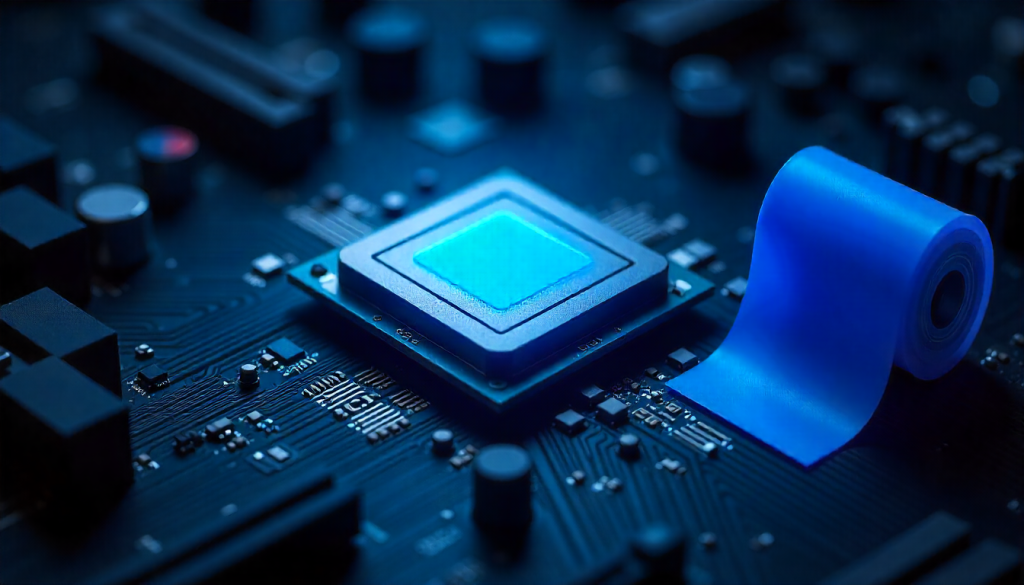
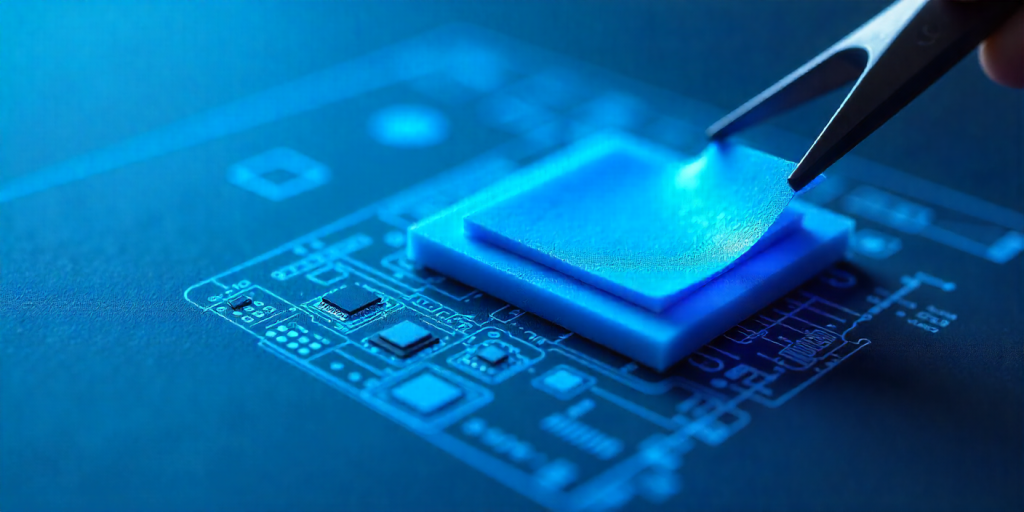
- Integrated Display & Control Boards: Often located near steam or heat sources, these boards require protection. Thin, conformable thermal interface materials help dissipate heat from processors while also acting as a barrier against humidity ingress.
A Practical Case: Extending the Life of a High-End Steam Oven
A premium appliance brand was facing higher-than-expected warranty returns on its combi-steam ovens, with failures traced to the main control board located near the steam generator. The constant thermal cycling and 100% humidity environment caused the standard thermal interface material to degrade, leading to processor overheating. The solution was to implement a non-silicone, hydrophobic thermal gap filler designed specifically for extreme humidity and thermal cycling environments. This material maintained its thermal conductivity and adhesion, lowering the processor’s peak operating temperature by 20°C in humid conditions and successfully extending the projected lifespan of the control unit beyond the 10-year target, drastically reducing warranty costs and bolstering brand reputation for reliability.
Looking Ahead: The Role of Thermal Management in Energy Label Compliance
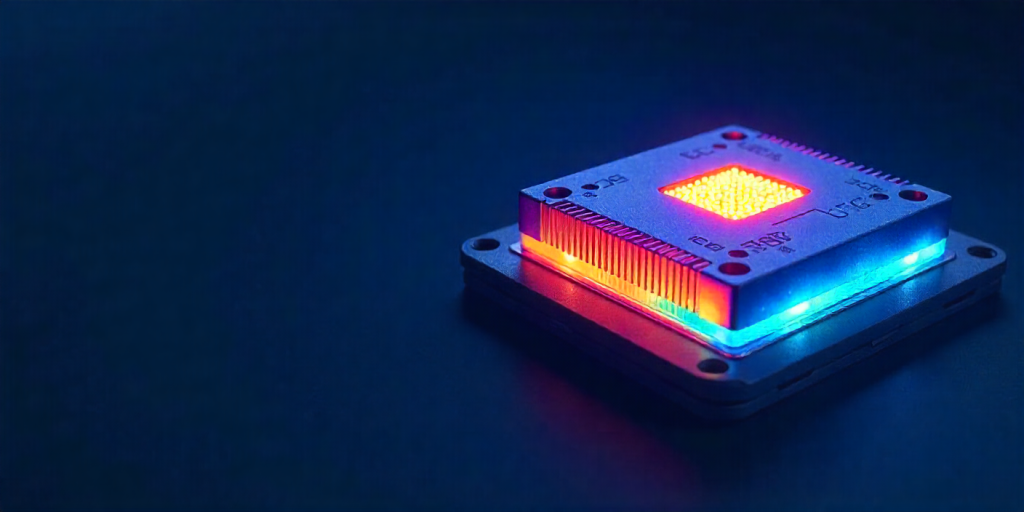
Future appliance regulations will demand even greater energy efficiency. Intelligent thermal management, enabled by advanced materials, will play a direct role in achieving higher energy labels. This includes using phase-change materials for peak load thermal buffering in HVAC systems and high-conductivity graphite films for uniform heat spreading in LED lighting modules. Proactively integrating these solutions will give manufacturers a critical edge in both performance and compliance.