High-Frequency Compatible Thermal Materials for 5G mmWave and 6G Sub-THz Antenna Systems
Abstract: The transition to millimeter wave and sub-terahertz frequencies in 5G-Advanced and 6G communication systems introduces unique thermal-electromagnetic co-design challenges that traditional thermal materials cannot address. This research presents novel dielectric thermal interface materials specifically engineered for high-frequency antenna systems, examining their critical role in maintaining both thermal performance and signal integrity in massive MIMO arrays operating above 24GHz.
The High-Frequency Thermal-Electromagnetic Coupling Challenge
mmWave and sub-THz antenna systems present unprecedented challenges at the intersection of thermal management and electromagnetic performance:
- Dielectric Property Requirements: Thermal interface materials must maintain consistent dielectric constant (εᵣ < 3.2) and loss tangent (tan δ < 0.005) across wide temperature ranges and frequency spectra up to 300GHz, while simultaneously providing adequate thermal conductivity (>5W/m·K) for heat dissipation from densely packed RF integrated circuits.
- Spatial Constraints: Antenna element spacing at mmWave frequencies (typically λ/2, or ~6mm at 28GHz) severely limits available space for thermal management solutions, requiring ultra-thin materials (<100μm) with exceptional thermal performance.
- Environmental Stability: Materials must maintain performance through extreme environmental exposure including temperature cycling (-40°C to +85°C), humidity (85% RH), and ultraviolet radiation for outdoor deployment scenarios.
Material Development: Low-Loss Thermal Composites
Advanced formulations address these challenges through:
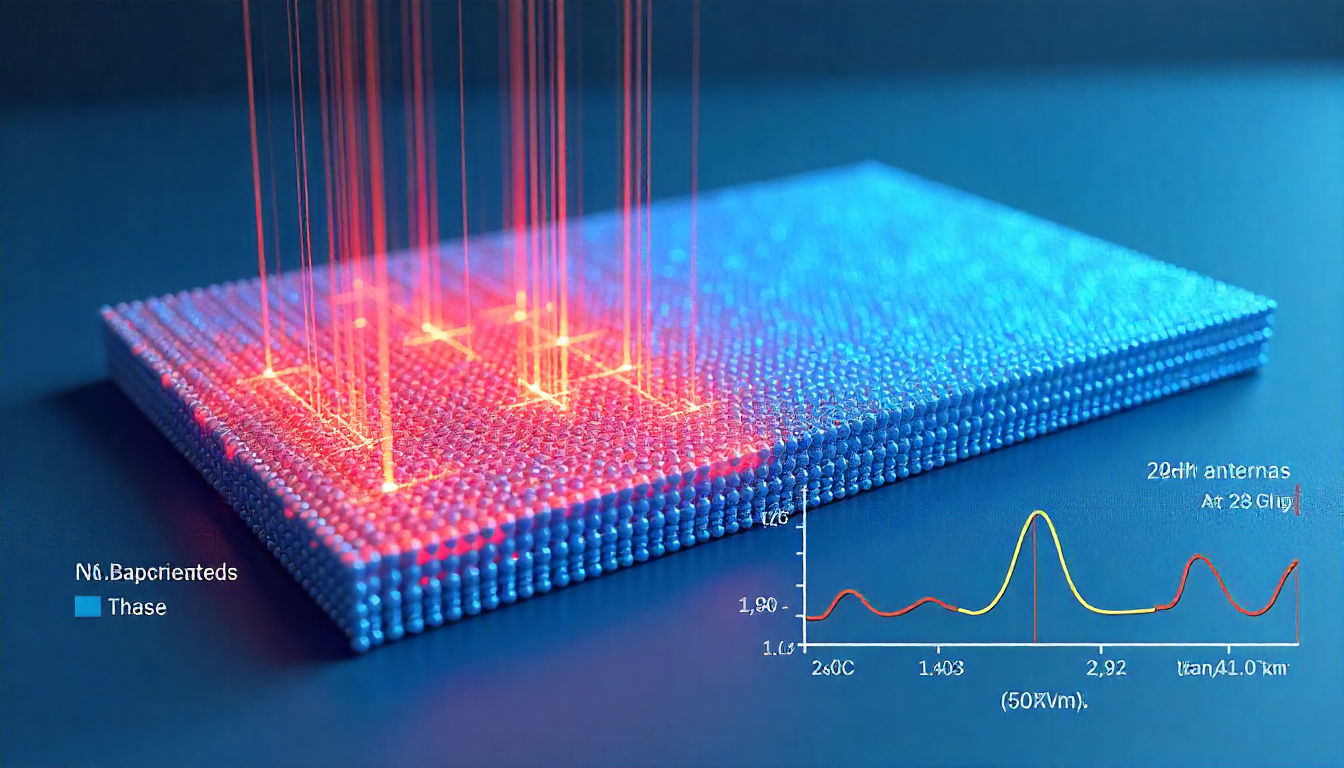
Ceramic-Polymer Nanocomposites: Materials combining surface-functionalized aluminum nitride or boron nitride particles with low-loss fluoropolymer matrices achieve thermal conductivity of 6-8W/m·K while maintaining εᵣ of 2.9±0.1 and tan δ < 0.003 from 24-100GHz. These materials demonstrate less than 5% variation in dielectric properties across the operating temperature range.
Anisotropic Thermal Management: Engineered materials providing directional heat spreading (in-plane conductivity 15-20W/m·K, through-plane 4-6W/m·K) to efficiently move heat away from active antenna elements while minimizing interference with electromagnetic field patterns.
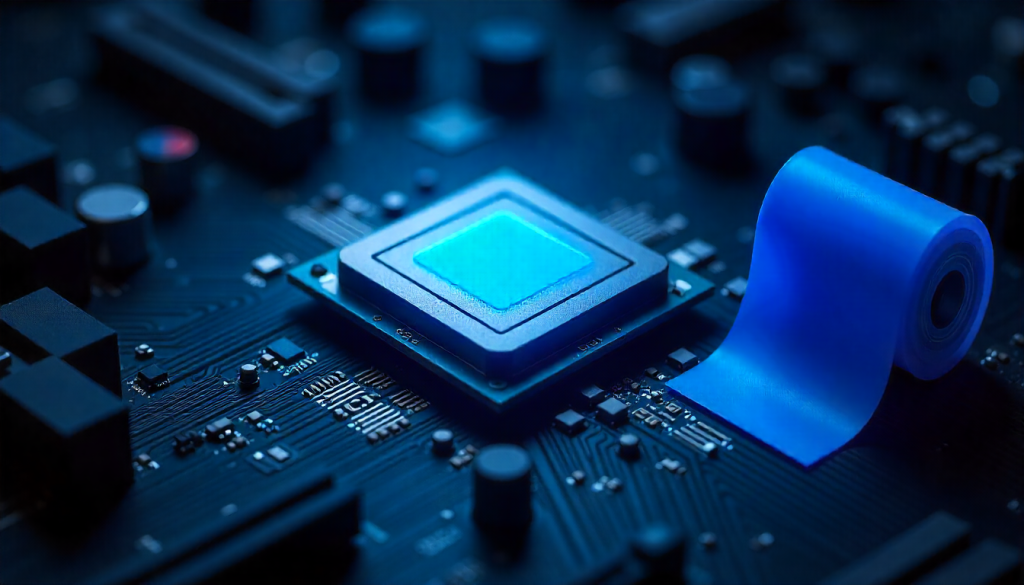
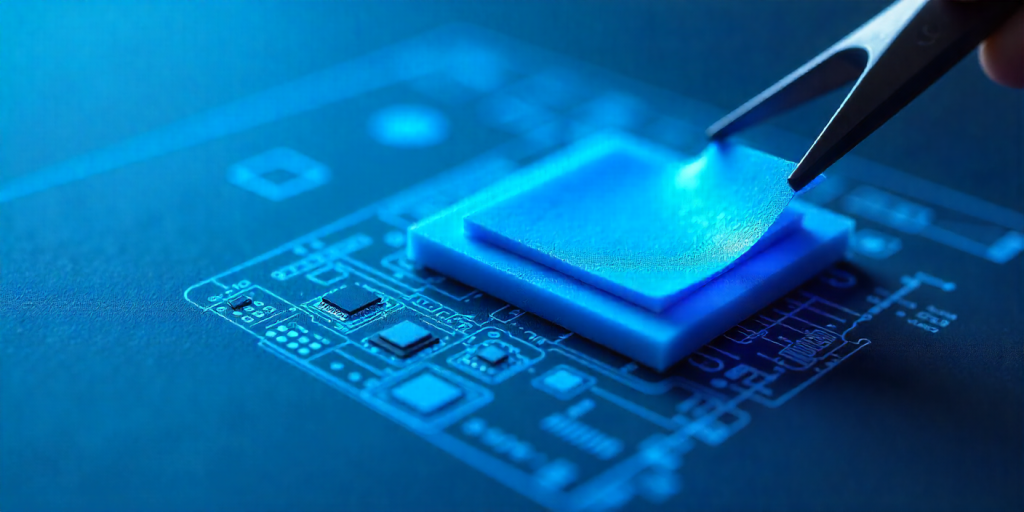
Integration-Compatible Formats: Pre-cured films with controlled thickness (25-100μm) and pressure-sensitive adhesive backings optimized for automated assembly of antenna arrays, achieving void-free bonding with placement accuracy better than 50μm.
Field Performance in 28GHz Massive MIMO Deployments
Implementation in commercial 5G mmWave base stations demonstrated:
- Antenna Efficiency: Less than 0.2dB degradation in antenna radiation efficiency compared to air gaps
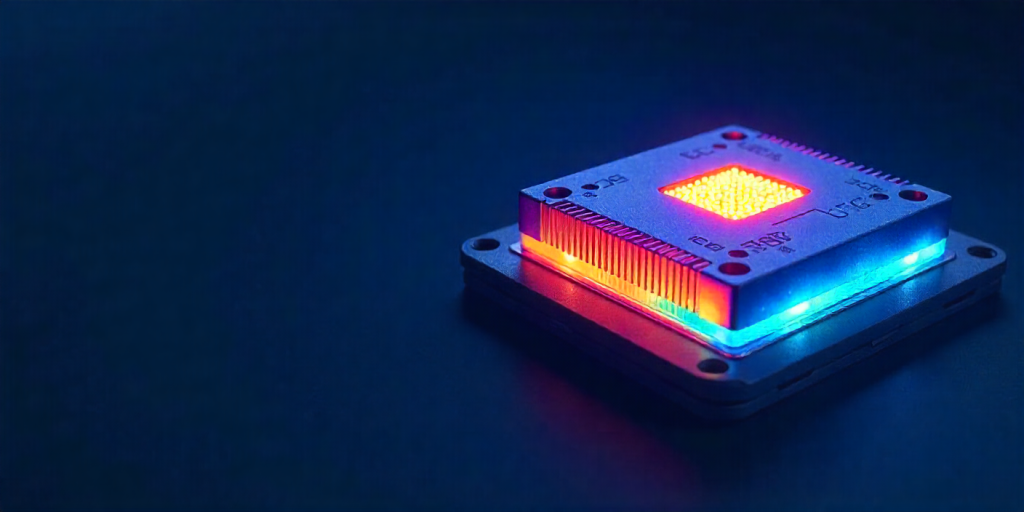
- Thermal Performance: 35°C reduction in GaN power amplifier junction temperatures during continuous 100MHz bandwidth operation
- Reliability: Zero field failures attributed to thermal interface materials through 3 years of continuous outdoor operation
- Manufacturing Yield: 99.8% assembly success rate in automated antenna module production lines
Sub-THz (100-300GHz) Compatibility Testing
Materials developed for 6G frequencies show:
- Dielectric Stability: εᵣ variation <2% across 100-300GHz range at temperatures from -40°C to +125°C
- Insertion Loss: Less than 0.1dB/mm at 140GHz and 0.25dB/mm at 300GHz
- Thermal Cycling Endurance: Performance maintained through 1,000 cycles between -55°C and +125°C
- Humidity Resistance: Less than 3% change in dielectric properties after 1,000 hours at 85°C/85% RH
Future Development for 6G Systems
Emerging requirements for integrated sensing and communication at sub-THz frequencies are driving development of:
- Tunable Dielectric Materials: Materials with electrically or thermally tunable dielectric properties for adaptive antenna systems
- Multifunctional Substrates: Materials serving simultaneously as thermal interfaces, antenna substrates, and electromagnetic interference shields
- Quantum-Enhanced Composites: Materials incorporating quantum dot structures for improved thermal and electromagnetic performance at molecular scales
These high-frequency compatible thermal materials represent foundational technology for next-generation wireless systems, enabling the simultaneous optimization of thermal management and electromagnetic performance critical for 5G-Advanced and 6G deployment.