5G Thermal Management: Pads for RF Amplifiers & Antennas
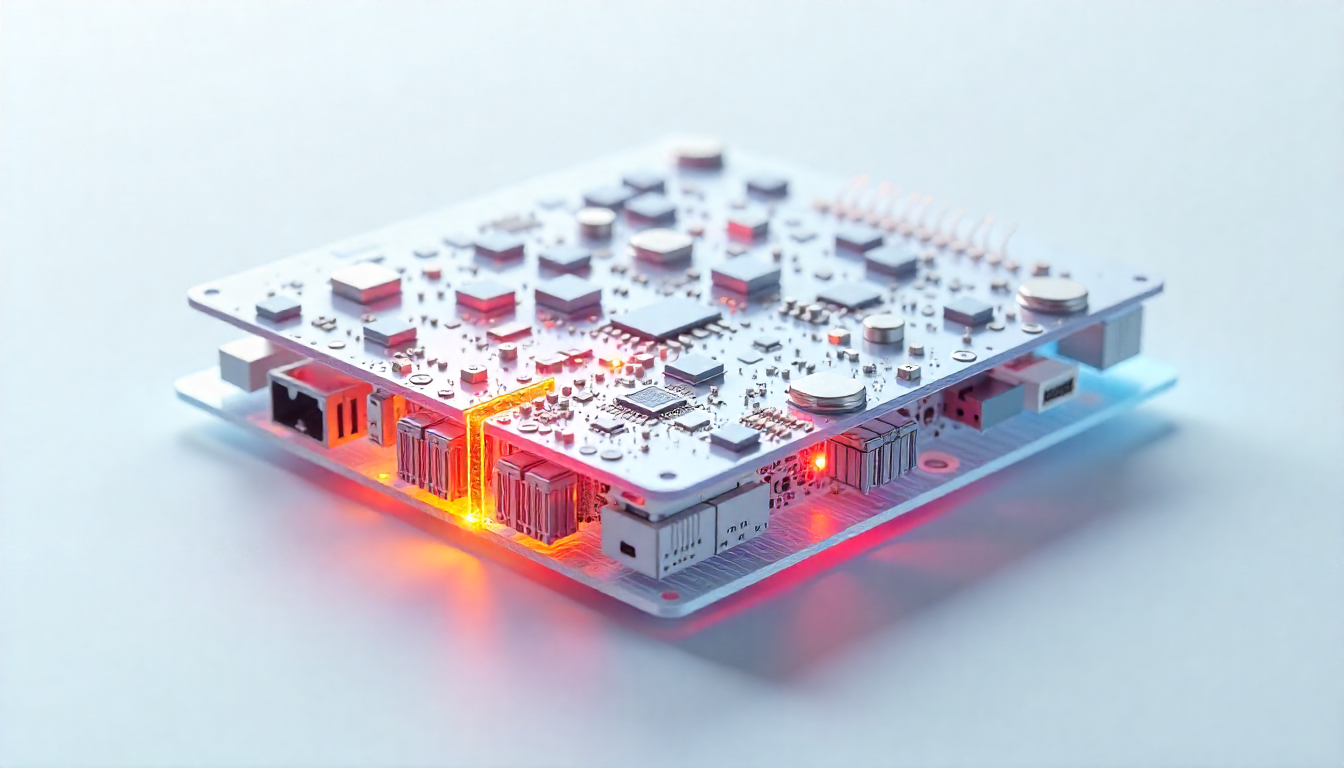
The rollout of 5G technology brings unprecedented data speeds at the cost of significantly higher thermal density. 5G base station equipment and user device RF front-end modules operate at higher frequencies and with more complex, densely packed architectures, making efficient heat dissipation in radio frequency electronics a primary engineering challenge for network reliability and performance.
Thermal-Electrical Co-Design for RF Systems
Cooling RF components isn’t just about moving heat; it’s about doing so without interfering with sensitive high-frequency signals. Materials used for thermal management of GaN and LDMOS power amplifiers must have a meticulously low dissipation factor (Df) and stable dielectric constant (Dk) across a wide frequency range. A material with high dielectric loss can absorb RF energy, converting it into unwanted heat and degrading the signal integrity and power efficiency of the amplifier. This makes the selection of low-loss thermal interface materials for mmWave applications critical.
Addressing Specific 5G Hotspots
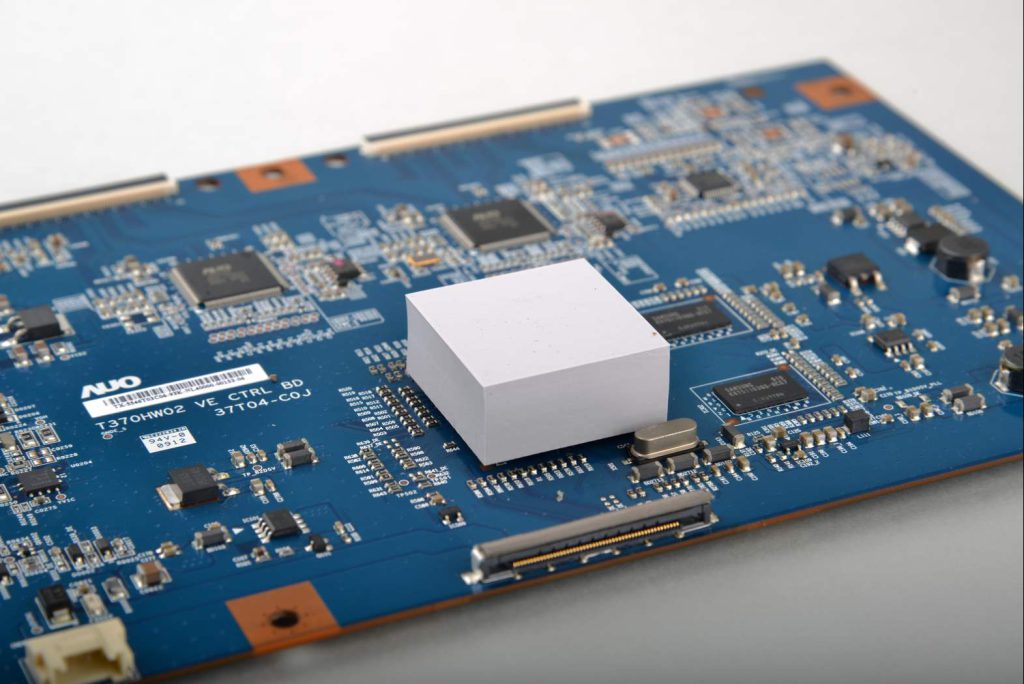
- Massive MIMO Antenna Arrays: These panels contain hundreds of transceiver elements. Thermal pads for antenna integrated circuits (AICs) must be thin, consistent, and often electrically insulating to prevent shorting on densely routed PCBs, while managing heat from the beamforming integrated circuits.
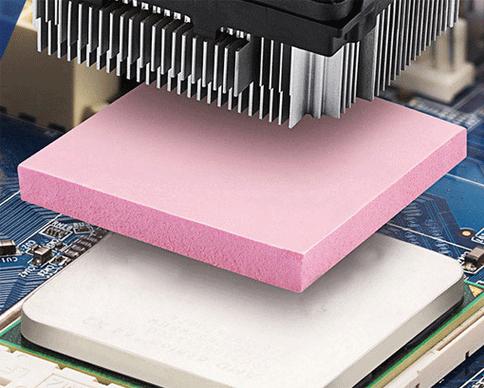
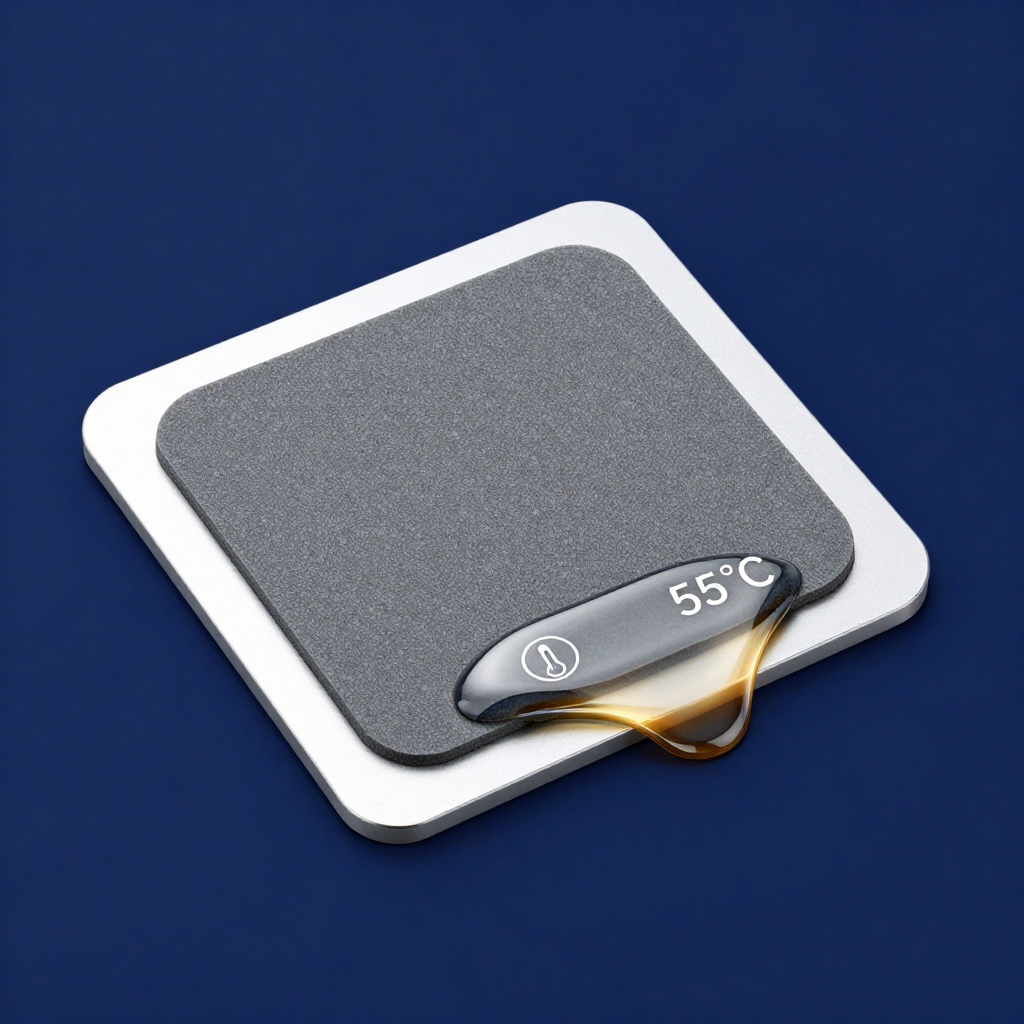
- Power Amplifier Modules (PAMs): These are the heart of the heat generation. Using highly conformable, void-free thermal pads between the amplifier package and the massive heat spreader or cold plate is non-negotiable to prevent performance throttling in outdoor 5G radios. Materials must also withstand thermal cycling from environmental exposure.
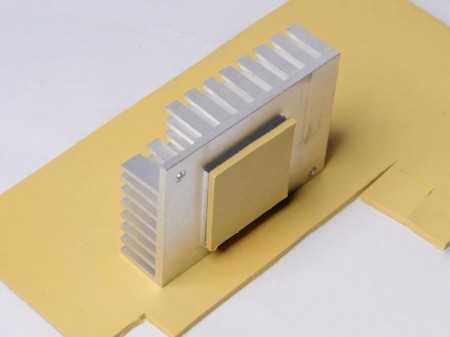
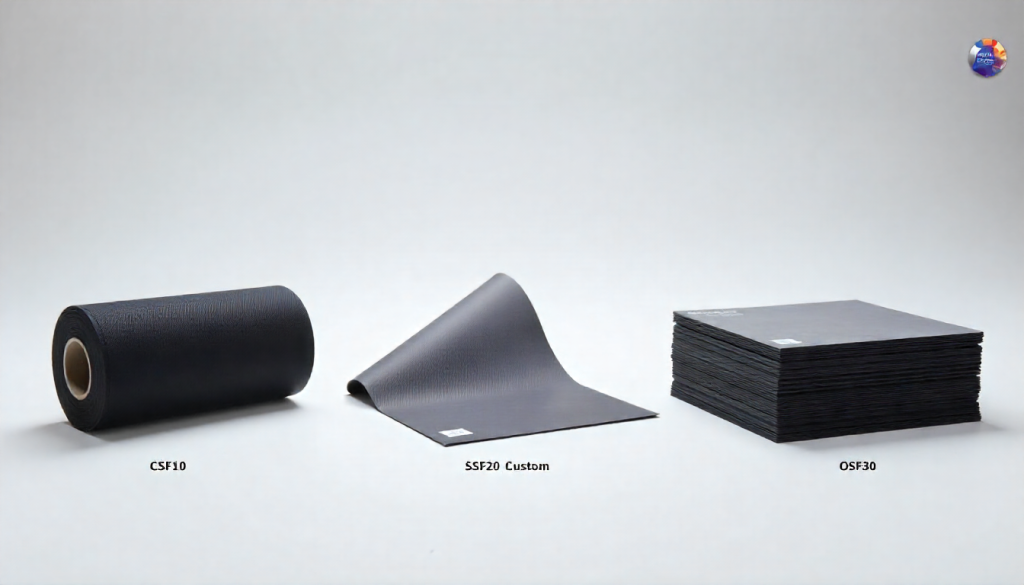
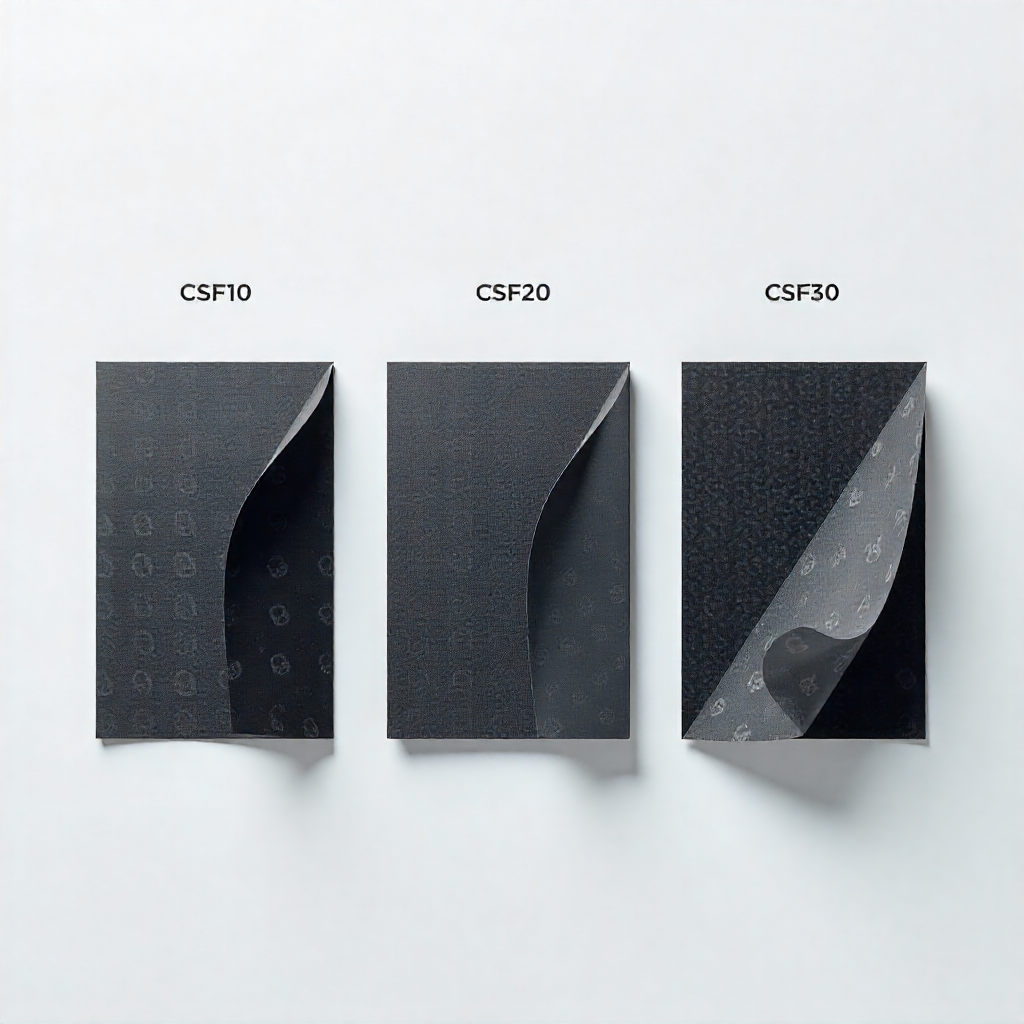
- Small Cells & Customer Premise Equipment (CPE): In these compact, passively cooled units, graphite sheets or thermally conductive insulating pads are often used for both heat spreading and component isolation, maximizing the use of the enclosure as a heatsink.
Ensuring Field Reliability
The operating environment for outdoor telecom infrastructure is brutal—subject to temperature extremes, humidity, and constant vibration. Thermal interface materials must demonstrate exceptional long-term stability against moisture absorption (which alters dielectric properties) and resistance to pump-out under vibration. Implementing environmentally sealed thermal solutions or using cure-in-place gap filling materials that adhere to both the component and heatsink can be vital strategies. By solving the thermal puzzle, engineers enable the consistent, low-latency performance that defines the reliability of 5G network infrastructure, from the core to the edge.