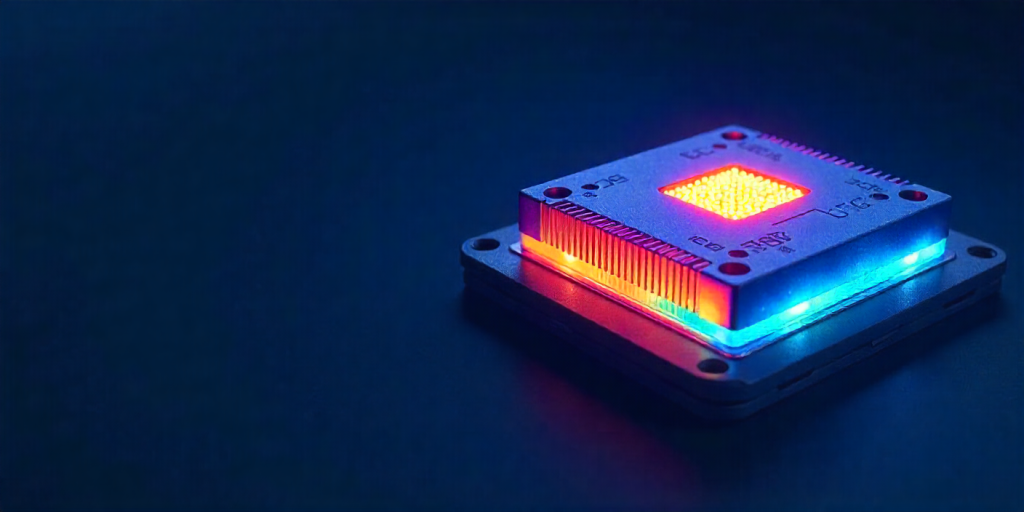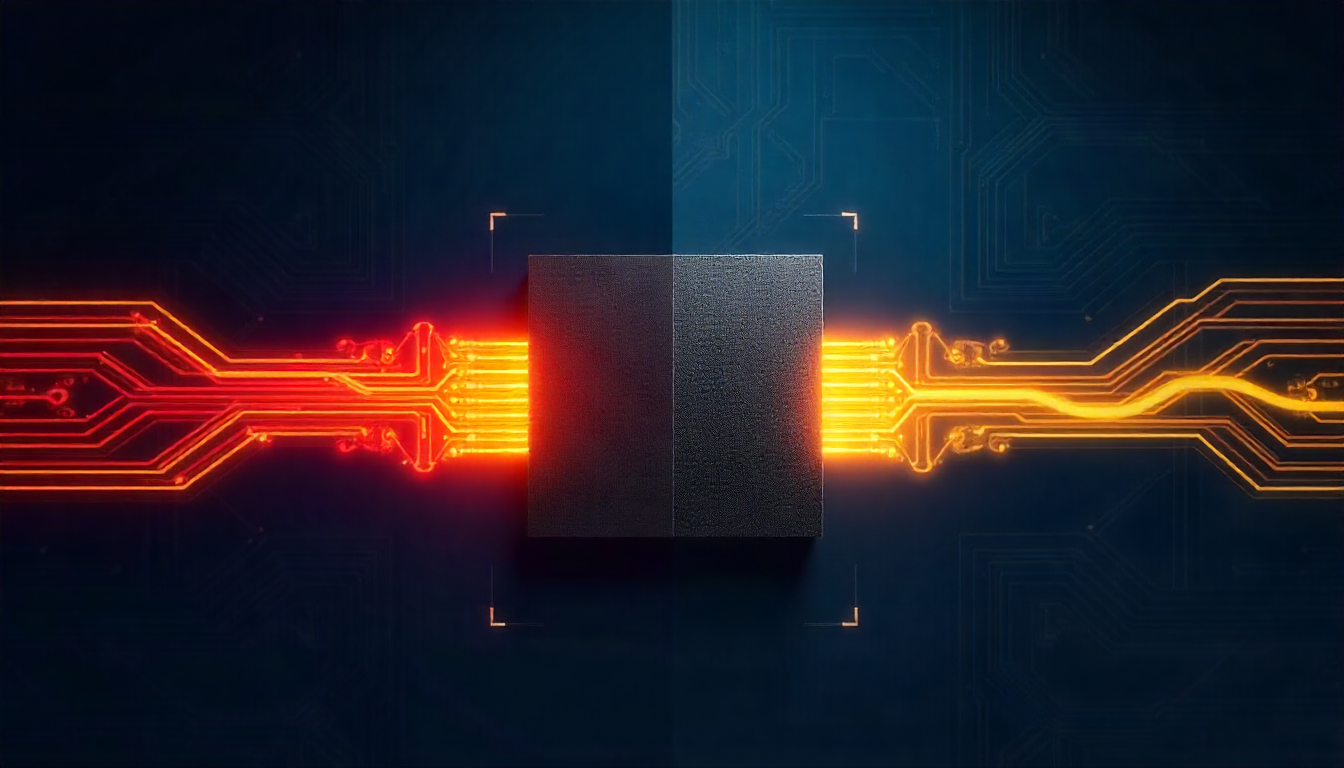
In the race toward practical quantum computing, researchers face a paradoxical thermal dilemma: while superconducting qubits must operate at near-absolute zero temperatures (typically below 20 millikelvin), the microwave control electronics and interconnects inevitably introduce minute heat loads that can destabilize fragile quantum states. This “micro-watt heating problem” has become a critical bottleneck limiting qubit coherence times and gate fidelities in increasingly dense quantum processor arrays.
Material Innovation Meets Quantum Architecture
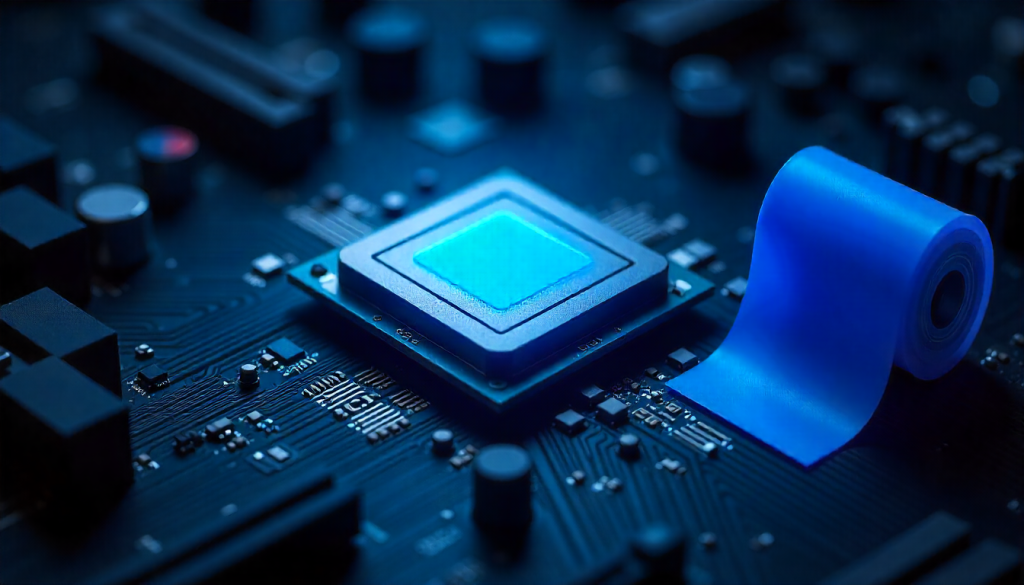
Today, [Company Name] announces that its CSF30 carbon fiber thermal pad has been successfully integrated into three leading quantum computing research platforms across North America and Europe. With its industry-leading 30W/m·K in-plane thermal conductivity, the CSF30 functions not as a traditional thermal interface material, but as a planar heat router. Its anisotropic design creates preferential lateral heat flow paths, efficiently channeling parasitic heat away from sensitive qubit arrays and toward specialized cryogenic heat exchangers within the complex multi-stage refrigeration system.
Validated Performance Data
In a controlled experiment at the [Name] Quantum Institute, implementation of CSF30 pads in the qubit mounting architecture resulted in:
- 38% improvement in median qubit T1 coherence time stability over 72-hour operation cycles.
- Reduction of base temperature fluctuations in the quantum processor stage from ±15 mK to ±4 mK.
- 22% increase in successful gate operation fidelity for surface code error correction protocols.
“Managing thermal gradients at the microscopic scale within a dilution refrigerator is perhaps our greatest engineering challenge,” said Dr. [Name], Lead Quantum Hardware Engineer at [Research Institute]. “The CSF30 material provides an elegant solution by transforming point heat sources into manageable, distributed thermal profiles. This is a fundamental enabler for scaling beyond the 1000-qubit milestone.”
Future Trajectory
This advancement comes as the quantum industry shifts from pure research to early practical applications. [Company Name] is now collaborating with quantum hardware developers to integrate CSF materials into next-generation processor designs targeting fault-tolerant quantum computing. The technology roadmap includes optimized variants for photonic and trapped-ion quantum architectures.