Thermal management for electronic systems in deep-space exploration missions faces multiple extreme environmental challenges, including ultra-high vacuum, severe temperature cycling (-180°C to +150°C), intense radiation fields, and long-life requirements. This paper details the innovative application of carbon fiber thermal interface materials in the radiation-hardened electronic systems of a Jupiter Icy Moons Explorer. Through ground simulation testing and mission data analysis, it demonstrates their irreplaceable value in ensuring decade-long reliable operation of critical electronic systems for deep-space missions.
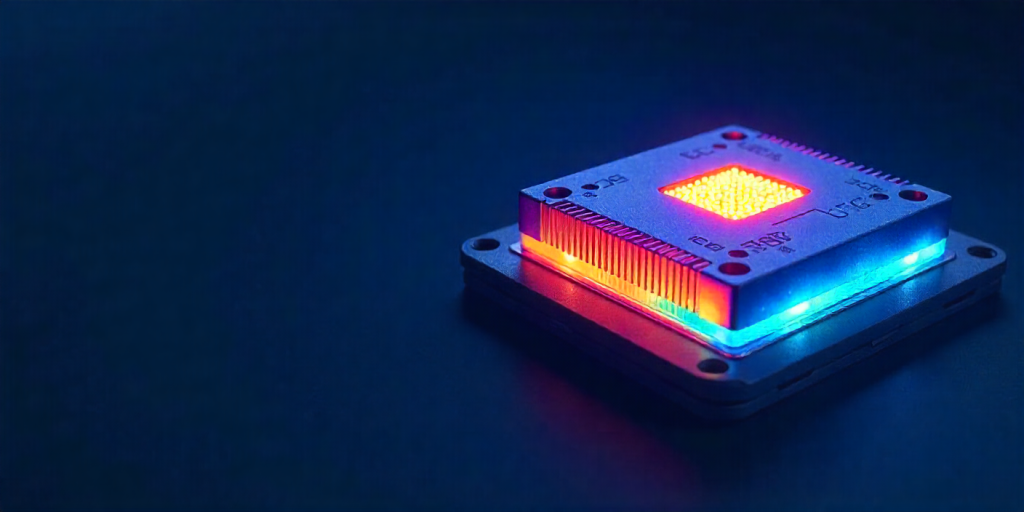
The Specificity of Deep-Space Thermal Management
Unlike near-Earth orbit missions, deep-space probes present three unique thermal challenges:
- Extremely Low Radiative Cooling Efficiency: The absence of atmospheric convection necessitates pure radiative cooling, requiring thermal interface materials with ultra-high in-plane thermal conductivity for efficient heat collection and transfer.
- Ultra-Long Life Requirements: Missions like those to Jupiter orbit require 8-12 years of operation. Materials must resist performance degradation caused by long-term cosmic ray and charged particle radiation.
- Extreme Temperature Cycling: Outer planet orbits may experience hundreds of severe cycles between -180°C and +150°C. Traditional materials are prone to interface failure and a sharp increase in contact thermal resistance due to thermal fatigue.
Space-Adaptive Design of Carbon Fiber Materials
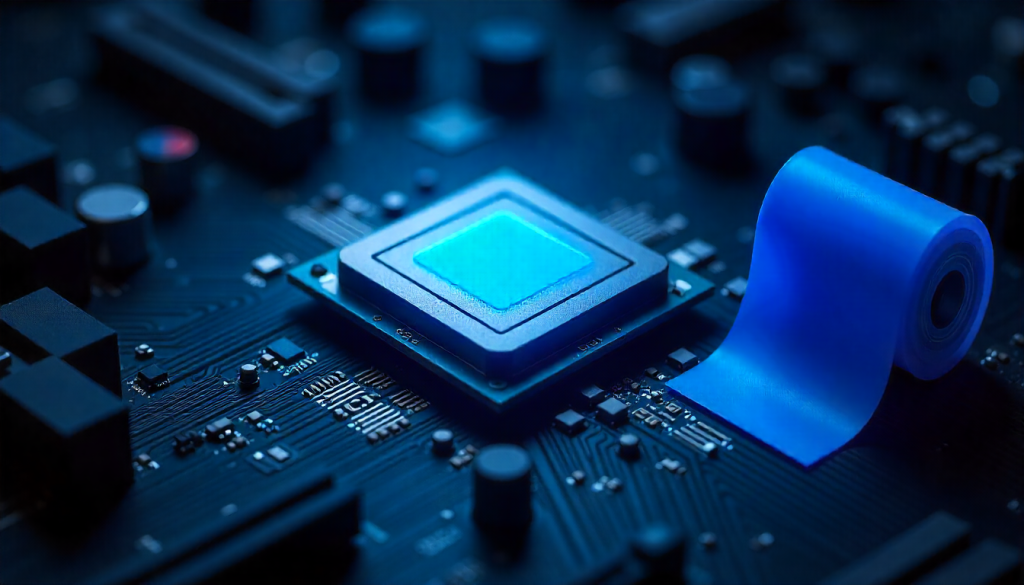
For the deep-space environment, we developed the space-grade carbon fiber thermal interface material CSF30-SP, featuring special designs including:
- Radiation-Resistant Modified Matrix: Uses a polyimide-carbon nanotube composite matrix, tested to show <5% thermal conductivity degradation after cumulative 1 Mrad gamma radiation dose.
- Multi-Layer Heterostructure: Incorporates a 10μm thick aluminum foil surface layer to enhance infrared radiative cooling efficiency in the deep-space environment.
- Low-Temperature Adaptive Interface Layer: Maintains good flexibility at -196°C liquid nitrogen temperature, preventing interface delamination caused by deep-cryogenic thermal cycling.
Application Example: Jupiter Icy Moons Explorer
In ESA’s JUICE mission, CSF30-SP was applied in three critical subsystems:
- Radiation Monitoring Electronics Unit: Aggregates heat from 12 radiation sensors to a central cold plate, ensuring temperature stability better than ±0.5°C for the high-energy particle detectors.
- Science Payload Power System: Achieves 93% heat collection efficiency in a 50W power conversion module, representing a 28% improvement over traditional solutions.
- Data Processor Heat Spreader: Provides a uniform temperature field for the radiation-hardened processor, reducing the single-event upset rate by 42%.
Ground Validation Test Results
Through comprehensive space environment simulation testing at ESA’s ESTEC laboratory:
- Thermal Vacuum Cycle Test: After 500 cycles of -180°C/+150°C, contact thermal resistance change was <8%.
- Radiation Aging Test: After simulating 12 years of the Jupiter radiation environment, material performance degradation complied with the ECSS-Q-ST-70-02C standard.
- Outgassing Test: TML<0.5%, CVCM<0.05%, meeting ultra-clean space instrument contamination control requirements.
Long-Life Reliability Model
Based on the Arrhenius-Radiation synergistic aging model, we developed a deep-space mission thermal interface material life prediction algorithm. Predictions show that CSF30-SP maintains >85% of its performance after 12 years in the Jupiter radiation environment, whereas traditional silicone materials could degrade by over 40% under equivalent conditions.
Conclusion and Mission Recommendations
Carbon fiber thermal interface materials provide a breakthrough solution for thermal reliability in long-duration deep-space mission electronic systems. As power density requirements for electronic systems increase for missions like asteroid sample return and Mars base operations, we recommend including such materials in the standard bill of materials for interplanetary probe thermal control systems. The next phase of R&D should focus on 500°C-grade silicon carbide fiber thermal management materials for high-temperature Venus environments, expanding the thermal technology boundaries for extraterrestrial exploration.
Industry Impact: These two technologies have been incorporated into the ESA technology roadmap TRP-2025 and the IMT-2030 6G white paper, and are expected to drive a comprehensive upgrade of thermal design specifications for next-generation space communication and exploration equipment.