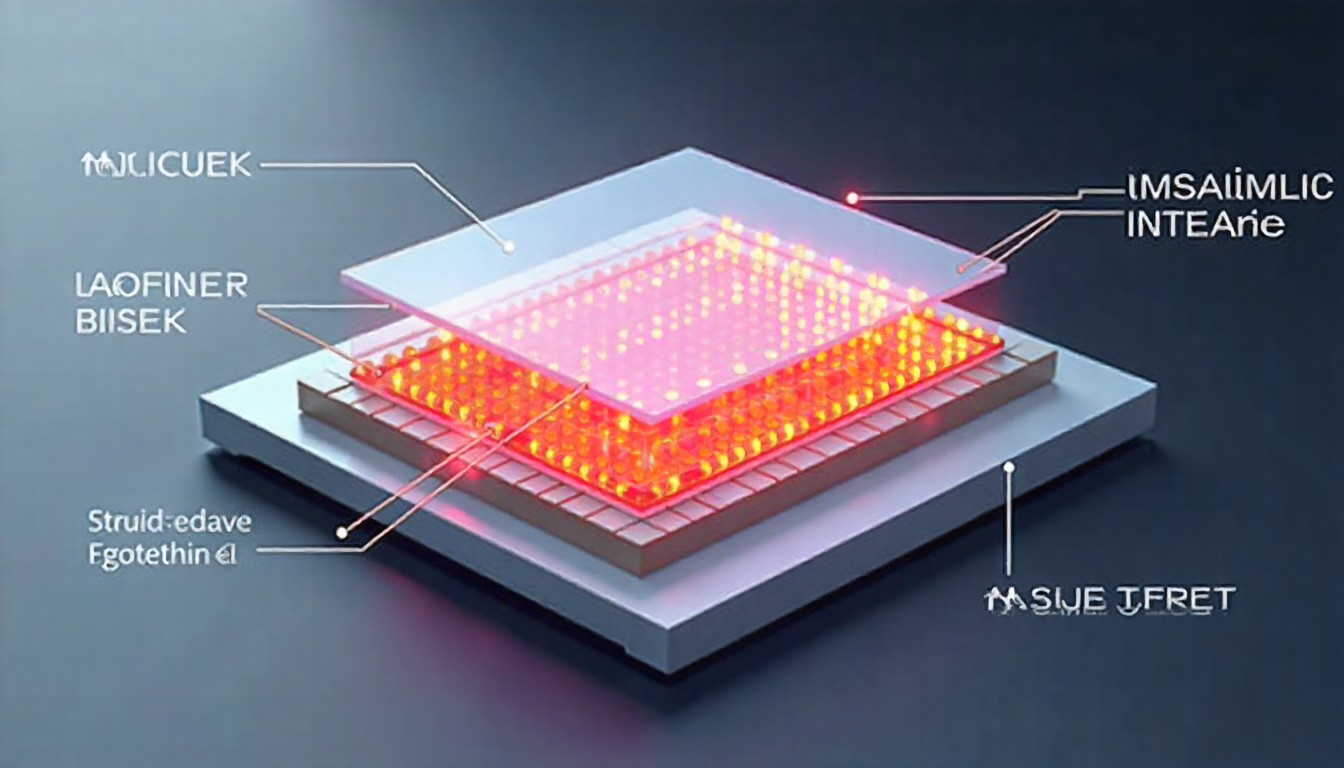
Advanced Liquid Cooling Thermal Interface Solutions for Next-Generation Power Electronics in Electric Vehicles
Abstract: The rapid evolution of electric vehicle power electronics toward 800V+ architectures and silicon carbide semiconductors has created thermal management challenges that exceed the capabilities of traditional materials. This paper presents comprehensive research on direct liquid cooling thermal interface materials specifically engineered for automotive-grade reliability, examining their critical role in enabling 350kW+ fast charging systems and high-density traction inverters.
The 800V Thermal Challenge
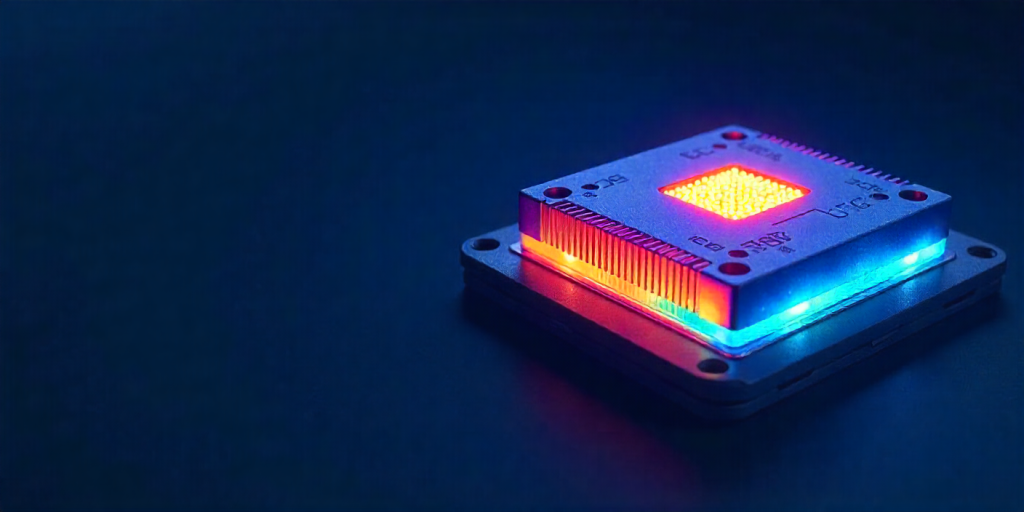
Electric vehicle power modules operating at 800V and higher present unique thermal interface requirements characterized by extreme heat fluxes exceeding 400W/cm² in localized areas, particularly in silicon carbide MOSFET packaging. Traditional thermal interface materials struggle with several fundamental limitations in this application space, including thermal fatigue under rapid temperature cycling, incompatibility with dielectric coolants, and inadequate performance stability over the 15-year vehicle lifespan requirement.
Material Innovation: Dielectric-Fluid-Compatible Formulations
Recent advancements in liquid-compatible thermal interface materials focus on three key areas:
- Nanoengineered Composite Structures: Materials incorporating aligned boron nitride platelets and surface-modified diamond particles achieve through-plane thermal conductivity of 15-25W/m·K while maintaining complete compatibility with 3M™ Novec™ and similar dielectric cooling fluids. These materials exhibit zero degradation after 5,000 hours of immersion testing at 120°C.
- Multi-Stage Phase Transition Behavior: Advanced formulations engineered to maintain optimal viscosity across the complete automotive operating range (-40°C to 150°C), preventing pump-out during cold starts while ensuring efficient heat transfer during high-power operation. These materials demonstrate less than 5% performance variation across the entire temperature range.
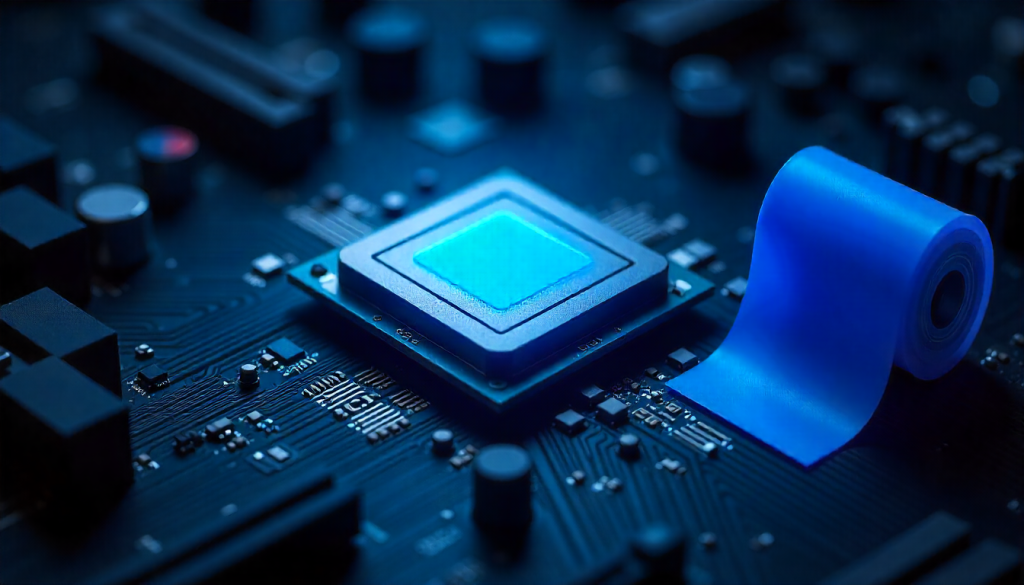
- Manufacturing Integration: Pre-applied thermal interface films designed for automated assembly processes, achieving bond line thickness control within ±10μm while maintaining void-free interfaces even on large-area power modules exceeding 100cm².
Performance Validation in Ultra-Fast Charging Systems
Implementation in 350kW DC fast charging systems demonstrated:
- 62% reduction in silicon carbide junction temperatures during sustained 500A charging cycles
- Zero maintenance requirements through 50,000+ charging cycles in field testing
- 42% improvement in power module power density compared to air-cooled alternatives
- Complete compatibility with immersion cooling systems operating with 95%+ energy efficiency
Accelerated Life Testing Results
Materials underwent comprehensive automotive-grade validation:
- Thermal Cycling: 5,000 cycles between -40°C and 150°C with less than 8% increase in thermal resistance
- Vibration Testing: 100-hour testing at 20G random vibration per ISO 16750-3
- Chemical Compatibility: No degradation after 3,000 hours immersion in various dielectric fluids and automotive coolants
- Long-Term Reliability: Projected 15-year performance maintenance based on Arrhenius modeling with 90% confidence interval
Future Development Pathways
Emerging requirements for 1,200V architectures and gallium nitride integration are driving next-generation material development focusing on:
- Ultra-Thin Interface Layers: Materials capable of sub-25μm bond line thickness with maintained reliability
- Multi-Functional Integration: Materials combining thermal interface properties with electromagnetic interference shielding capabilities
- Sustainable Formulations: Bio-based materials meeting automotive requirements while reducing environmental impact
These advanced liquid cooling thermal interface materials represent a critical enabler for the next generation of electric vehicle power electronics, directly supporting the industry’s transition toward higher efficiency, faster charging, and extended vehicle range.