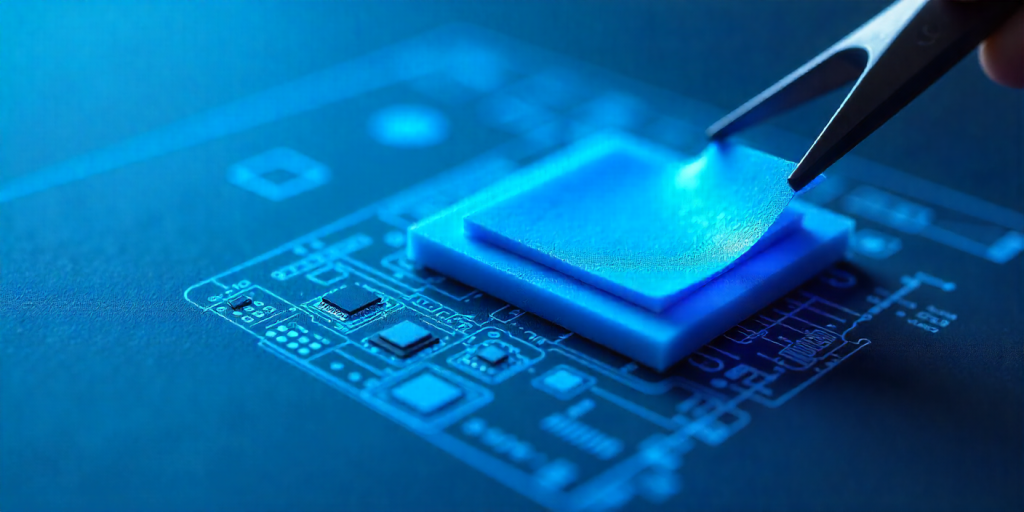
Advanced Boron Nitride Nanosheet Thermal Interface Materials for High-Voltage Power Module Insulation and Thermal Management
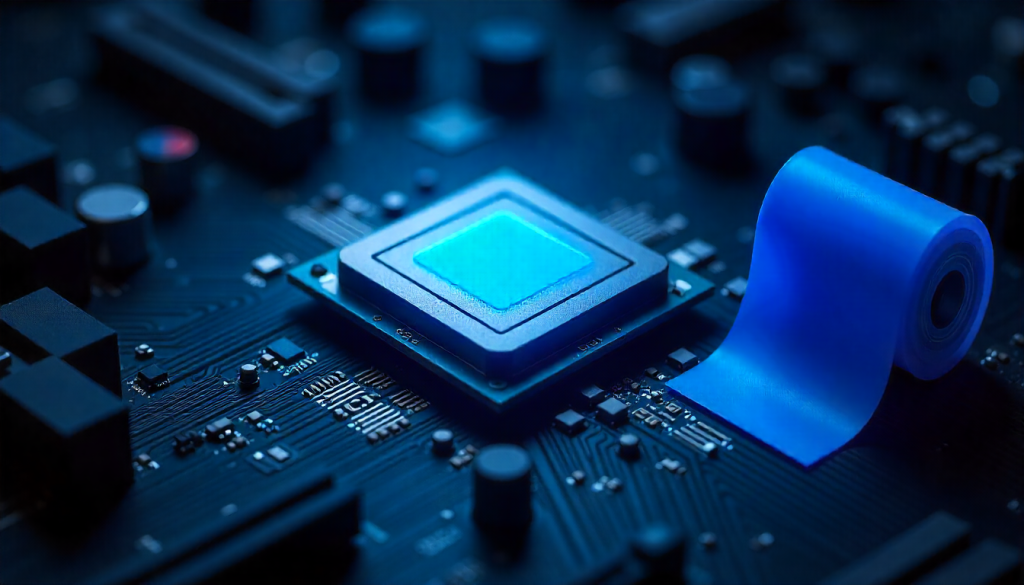
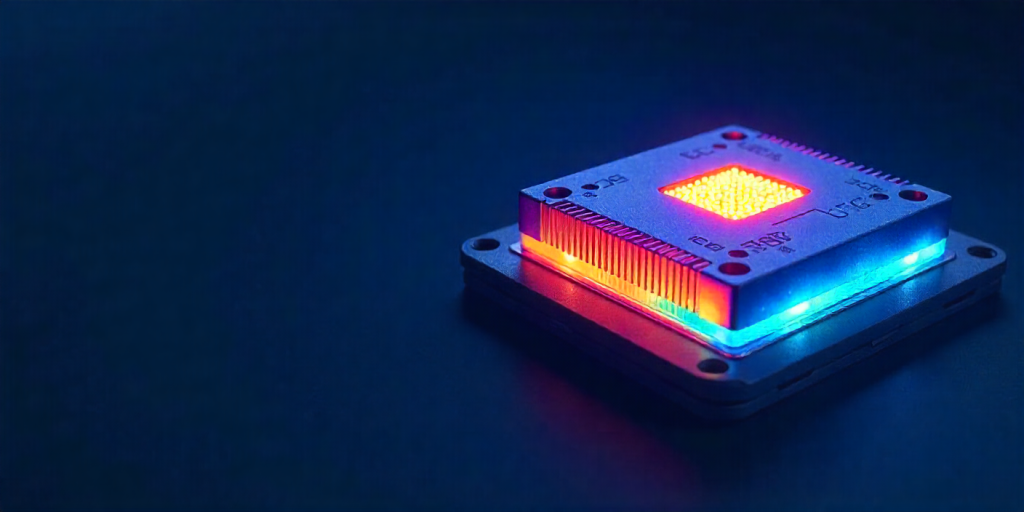
The rapid development of high-voltage power electronics (exceeding 1.7kV) for electric vehicle traction inverters and renewable energy systems has created dual challenges of electrical insulation and thermal management that exceed conventional material capabilities. This research presents a breakthrough class of boron nitride nanosheet (BNNS) based thermal interface materials specifically engineered for these demanding applications, offering simultaneous solutions to dielectric breakdown prevention and efficient heat extraction in compact power modules.
The High-Voltage Insulation-Thermal Dilemma
High-voltage silicon carbide and gallium nitride power modules operating at frequencies above 100kHz present unique material requirements:
- Dielectric Strength Demands: Materials must withstand electric field strengths exceeding 15kV/mm while maintaining thermal conductivity above 5W/m·K, creating a fundamental trade-off between electrical insulation and thermal performance in power semiconductor packaging.
- Partial Discharge Resistance: At elevated temperatures and voltages, conventional materials experience partial discharge initiation at microscopic voids, necessitating void-free thermal interface materials for medium-voltage power converters with controlled dielectric properties.
- Thermal Stability Under Field Stress: Materials must maintain both thermal and electrical performance under continuous high-field stress at temperatures up to 200°C, requiring thermally stable dielectric composites for high-temperature power electronics.
Material Innovation: Aligned BNNS Composites
Our research focuses on boron nitride nanosheet composites with controlled microstructure:
Vertically Aligned BNNS Architectures: Using magnetic field alignment during processing, we create composites with BNNS oriented perpendicular to heat flow direction, achieving through-plane thermal conductivity of 8-12W/m·K while maintaining in-plane conductivity below 1W/m·K. This directional control enables optimized thermal management in high-voltage IGBT and SiC module designs where lateral tracking must be minimized.
Hybrid Filler Systems: We combine BNNS with surface-functionalized alumina particles in optimized ratios, creating materials with dielectric strength exceeding 25kV/mm and thermal conductivity of 6-9W/m·K, effectively solving the insulation-thermal tradeoff in compact power modules.
Interface Engineering: We develop covalent bonding between BNNS and polymer matrices using silane coupling agents, reducing interfacial thermal resistance by 60% while improving partial discharge inception voltage by 35% in high-voltage power module applications.
Manufacturing and Integration
Scalable production methods enable commercial implementation:
Large-Area BNNS Synthesis: Using liquid exfoliation with optimized solvents, we produce BNNS with controlled thickness (2-5 atomic layers) and lateral dimensions (1-5μm) suitable for high-volume production.
Roll-to-Roll Composite Fabrication: Continuous processing enables production of uniform composite sheets with thickness control within ±2μm, essential for automated assembly of traction inverter power modules.
In-Situ Curing Processes: We develop materials that cure directly on power device surfaces, eliminating air entrapment and achieving void-free interfaces critical for 3.3kV and above power semiconductor packages.
Performance Validation in 800V EV Traction Systems
Testing in automotive-grade silicon carbide inverters demonstrated exceptional results:
Electrical Performance:
- Dielectric strength: 28kV/mm maintained at 150°C operating temperature
- Partial discharge extinction voltage: >2.2 times rated voltage at 175°C
- Volume resistivity: >10¹⁵ Ω·cm across -40°C to 200°C temperature range
- Tracking resistance: CTI >600V, meeting highest automotive safety standards
Thermal Performance:
- Thermal conductivity: 9.5W/m·K maintained through 1,000 thermal cycles
- Interface thermal resistance: 0.07K·cm²/W at 2MPa interface pressure
- Thermal stability: Less than 5% degradation after 5,000 hours at 175°C
System-Level Benefits:
- Power Density: Enabled 40% higher power density within same package size
- Efficiency: Reduced switching losses by 18% through improved thermal management
- Reliability: Projected lifetime exceeding 300,000 miles in automotive applications
- Safety: Eliminated risk of dielectric failure in high-voltage creepage regions
Comparative Analysis with Conventional Materials
BNNS composites show significant advantages:
vs. Silicone-Based Materials:
- 3-4x higher dielectric strength at elevated temperatures
- 50% lower thermal resistance
- Superior resistance to partial discharge degradation
vs. Alumina-Filled Composites:
- 30% higher thermal conductivity at same filler loading
- Better mechanical compliance and interface conformity
- Reduced risk of filler settling and performance variation
vs. Hybrid Ceramic-Polymer Systems:
- More consistent dielectric properties across temperature ranges
- Better processability and integration with automated assembly
- Lower overall system cost through performance efficiency
Future Development Pathways
Ongoing research addresses emerging requirements:
Ultra-High Voltage Applications: Materials targeting 10kV+ applications for grid-scale power conversion and industrial drives.
Multifunctional Composites: Integrating current sensing or temperature monitoring capabilities within thermal interface materials.
Sustainable Manufacturing: Developing water-based processing and recyclable matrix materials.
Quantum-Enhanced Materials: Incorporating 2D material heterostructures for unprecedented thermal-dielectric performance combinations.
Economic and Environmental Impact
BNNS thermal interface materials enable significant advancements:
Economic Benefits:
- Reduced system costs through higher power density and efficiency
- Extended product lifetimes reducing warranty and replacement costs
- Simplified thermal management designs lowering overall bill of materials
Environmental Benefits:
- Energy savings from improved conversion efficiency
- Reduced material usage through performance optimization
- Potential for recycling and recovery of valuable components
Conclusion
Boron nitride nanosheet thermal interface materials represent a transformative solution for high-voltage power electronics, simultaneously addressing critical challenges in electrical insulation and thermal management. Their unique combination of high thermal conductivity, exceptional dielectric strength, and thermal stability enables next-generation power conversion systems with unprecedented performance, efficiency, and reliability. As power electronics continue to advance toward higher voltages, frequencies, and power densities, these advanced materials will play an increasingly important role in enabling technological progress while meeting stringent safety and reliability requirements across automotive, renewable energy, and industrial applications.