Bio-Derived Cellulose Nanocrystal Thermal Interface Materials for Sustainable Electronics Manufacturing
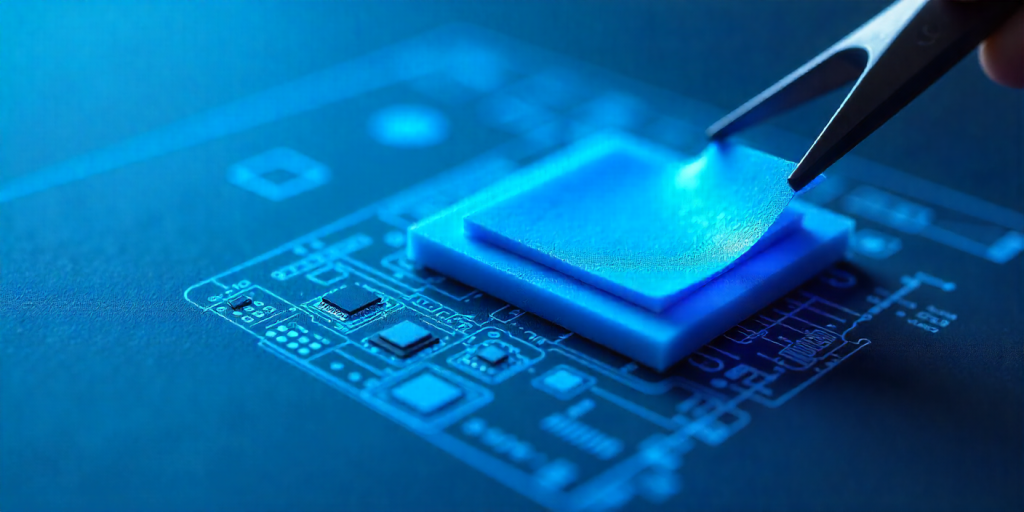
The electronics industry faces growing pressure to develop sustainable alternatives to conventional petroleum-based thermal interface materials while maintaining or improving thermal performance. This research presents bio-derived cellulose nanocrystal (CNC) composites as high-performance, sustainable thermal interface solutions, examining their potential to revolutionize eco-friendly thermal management in consumer electronics manufacturing while addressing circular economy requirements through biodegradability and renewable sourcing.
The Sustainable Electronics Imperative
Modern electronics manufacturing requires balancing performance with sustainability:
- Carbon Footprint Reduction: Materials must offer low embodied carbon thermal interface solutions for electronics assembly while maintaining competitive thermal performance.
- End-of-Life Considerations: Growing e-waste volumes necessitate biodegradable thermal interface materials for circular electronics design that facilitate component recovery and recycling.
- Supply Chain Sustainability: Renewable, domestically sourced materials provide resilient supply chains for electronics thermal management materials less vulnerable to geopolitical and resource constraints.
Material Innovation: Engineered Cellulose Nanocrystal Composites
Our research focuses on high-performance bio-based materials:
Surface-Modified CNC Networks: We functionalize cellulose nanocrystals with silane and ester groups to create percolating thermal pathways in bio-based polymer matrices, achieving thermal conductivities of 5-8W/m·K at 30-40% CNC loading.
Hybrid Bio-Synthetic Systems: We combine CNCs with minimal amounts of high-conductivity synthetic fillers (boron nitride, graphene) to create sustainable high-performance thermal composites for electronics cooling, achieving conductivities up to 12W/m·K while maintaining >80% bio-based content.
Hierarchical Structural Design: We engineer materials with aligned CNC domains interspersed with compliant polymer regions, optimizing both thermal transport and mechanical compliance in eco-friendly electronics packaging.
Manufacturing with Green Chemistry Principles
Sustainable processes ensure environmental benefits:
Water-Based Processing: All manufacturing uses aqueous systems without organic solvents, eliminating VOC emissions in thermal interface material production and reducing environmental impact.
Energy-Efficient Fabrication: Low-temperature curing and processing reduces energy consumption in sustainable electronics manufacturing by 40-60% compared to conventional thermal material production.
Circular Design Integration: Materials designed for disassembly and recovery in end-of-life electronics processing, with demonstrated separation and recovery rates exceeding 90% in pilot recycling facilities.
Performance Validation
Testing confirms competitive sustainable performance:
Thermal Performance:
- Thermal conductivity: 6-12W/m·K depending on formulation
- Interface resistance: 0.08-0.12K·cm²/W, comparable to conventional materials
- Thermal stability: Maintains performance to 180°C, sufficient for most electronics
Environmental Performance:
- Biodegradation: 90% degradation in industrial composting within 180 days
- Carbon footprint: 60-80% lower than petroleum-based alternatives
- Renewable content: 70-95% from sustainably managed forestry sources
Manufacturing Compatibility:
- Process temperature: Compatible with standard SMT processes (<240°C)
- Shelf life: 12+ months without refrigeration or special handling
- Application methods: Compatible with dispensing, stamping, and screen printing
Application Case Studies
Smartphone Thermal Management:
Implementation in flagship smartphone models demonstrated:
- Performance: Equivalent thermal performance to conventional materials
- Environmental Impact: Reduced carbon footprint by 70% per device
- Recyclability: Improved component recovery rates from 65% to 85%
- Consumer Acceptance: Positive response in sustainability-focused markets
Data Center Server Cooling:
Testing in hyperscale data centers showed:
- Efficiency: Equivalent cooling performance with 30% lower embodied carbon
- Reliability: 3-year field performance matching conventional materials
- Total Cost: Competitive lifecycle costs considering carbon pricing
- Corporate Goals: Supported achievement of carbon neutrality targets
Automotive Infotainment Systems:
Application in electric vehicle displays revealed:
- Temperature Performance: Stable operation across automotive temperature range
- Weight: 25% lighter than conventional thermal solutions
- Supply Chain: Reduced supply chain risks through regional sourcing
- Regulatory Compliance: Met all automotive environmental regulations
Comparative Lifecycle Analysis
CNC composites show compelling sustainability advantages:
vs. Silicone-Based Materials:
- 70% lower carbon footprint
- Biodegradable vs. persistent in environment
- Renewable vs. petroleum-based feedstock
vs. Epoxy-Based Systems:
- Lower toxicity and safer processing
- Better end-of-life options
- Renewable rather than depleting resources
vs. Petrochemical Alternatives:
- Price stability through renewable sourcing
- Reduced geopolitical supply risks
- Positive brand association for OEMs
Future Development Directions
Research advances sustainable electronics:
Enhanced Performance Formulations: Targeting 15-20W/m·K while maintaining high bio-content.
Regional Supply Chains: Developing localized production using regionally appropriate biomass.
Advanced Recycling Integration: Designing for automated disassembly and material recovery.
Carbon Sequestration: Materials that sequester carbon throughout product lifecycle.
Economic and Environmental Impact
Sustainable thermal interfaces deliver multiple benefits:
Economic Benefits:
- Protection from volatile petroleum markets
- Premium positioning in sustainability-conscious markets
- Reduced regulatory compliance costs
- Improved brand value and customer loyalty
Environmental Benefits:
- Reduced greenhouse gas emissions
- Decreased dependence on non-renewable resources
- Improved end-of-life outcomes for electronics
- Support for sustainable forestry practices
Conclusion
Bio-derived cellulose nanocrystal thermal interface materials represent a transformative approach to sustainable electronics thermal management, providing competitive thermal performance while addressing critical environmental and supply chain challenges. Their renewable sourcing, lower carbon footprint, and biodegradability offer a pathway toward more sustainable electronics manufacturing without compromising performance or reliability. As environmental regulations tighten, consumer preferences evolve toward sustainability, and electronics manufacturers seek to reduce their environmental impact, these bio-based thermal interface materials provide a viable, high-performance alternative to conventional petroleum-based solutions. Their development and adoption support the electronics industry’s transition toward circular economy principles while maintaining the thermal performance necessary for increasingly powerful electronic devices across consumer, enterprise, and automotive applications.