Beyond Grease and Pads: How Phase Change Materials Solve Modern Thermal Management Challenges
Is your design team constantly battling thermal throttling in compact spaces? Or perhaps you’re troubleshooting field failures linked to dried-up thermal paste? You’re not alone. As power densities soar in everything from AI servers to electric vehicle controllers, traditional thermal interface materials (TIMs) are hitting their limits.
Thermal grease, while effective initially, suffers from pump-out and dry-out over thermal cycles, leading to long-term reliability issues. Standard silicone pads, though convenient, often can’t achieve the ultra-low thermal resistance needed for today’s hotspots.
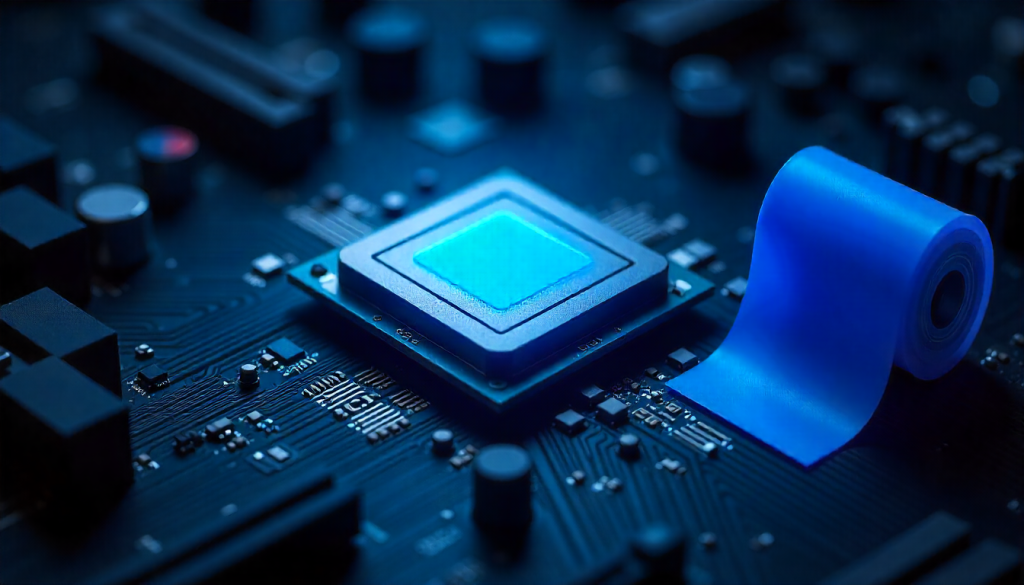
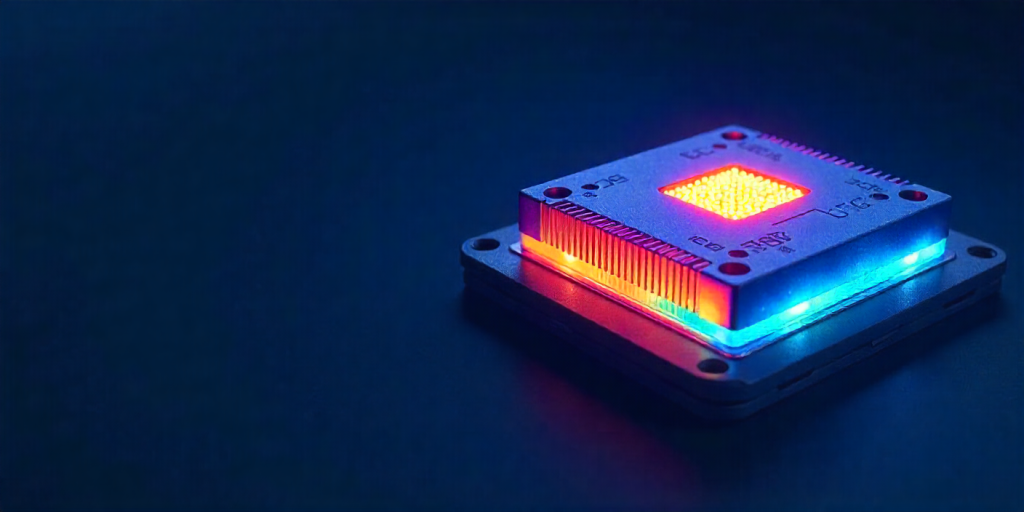
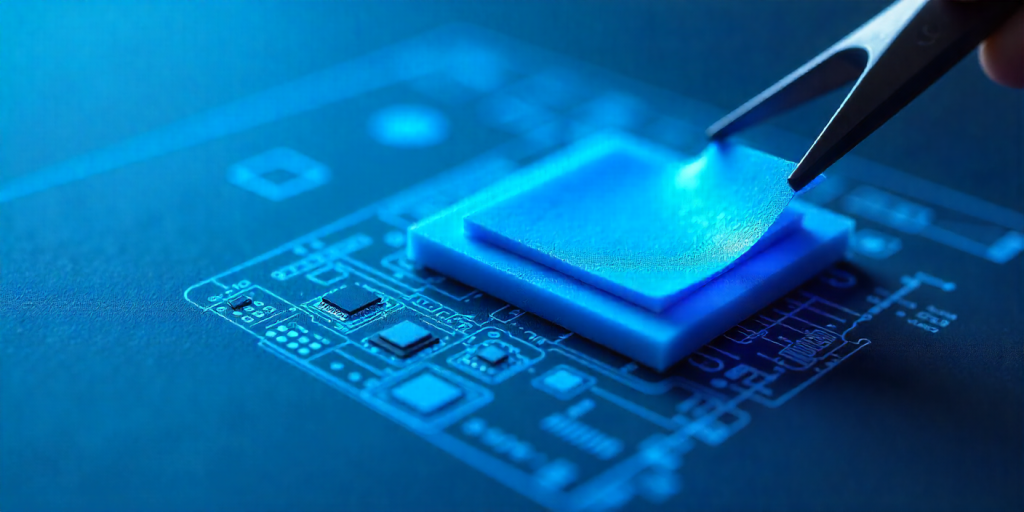
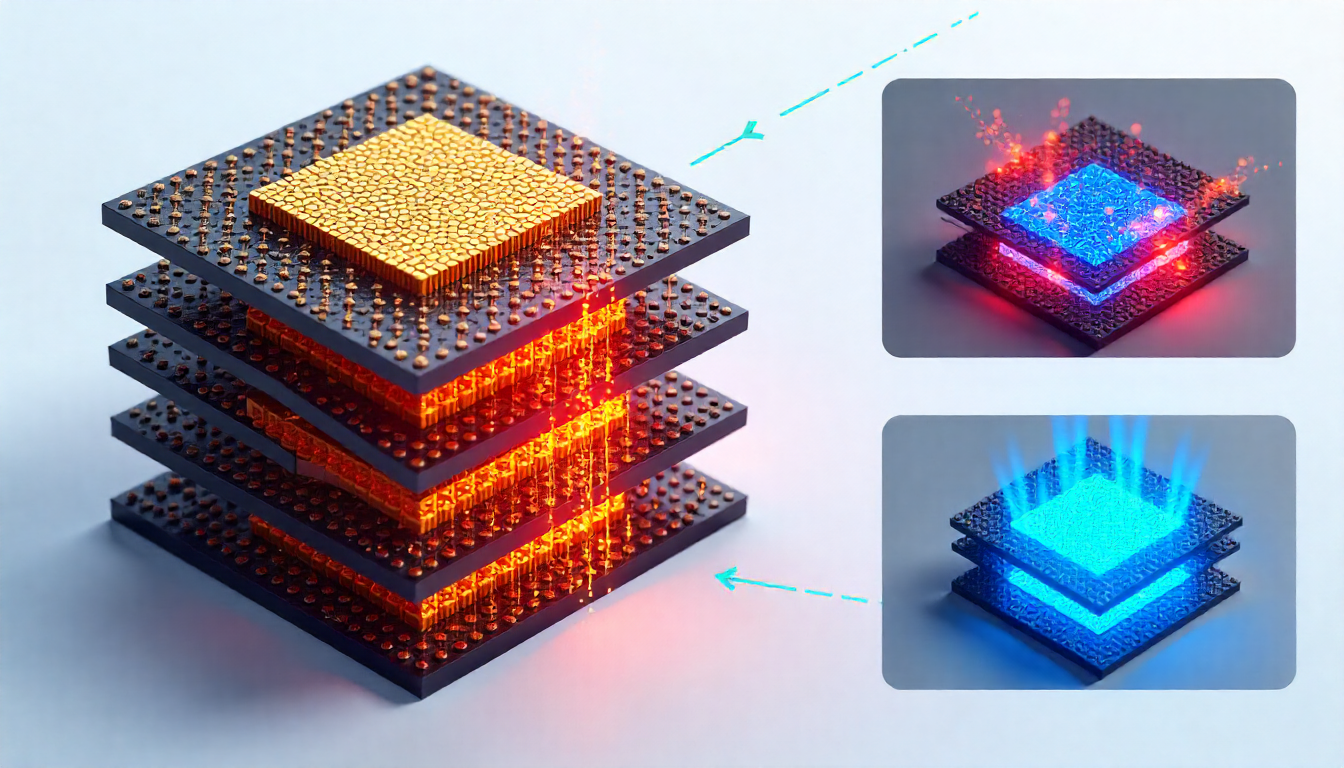
This is where Phase Change Thermal Pads emerge as the engineered solution. They start as a clean, easy-to-handle solid sheet for mess-free, precise application on the production line. When the device powers on and reaches its operating temperature (typically between 45-60°C), the material undergoes a controlled phase change. It softly flows like a high-performance grease to conform perfectly to surface imperfections, eliminating microscopic air gaps that cause thermal bottlenecks.
The key advantage? Upon shutdown and cooling, it resolidifies in place. This eliminates the migration and pump-out problem, ensuring the thermal performance you validated on Day 1 remains consistent on Day 1,000.
When should you consider a phase change pad? If your design involves high-heat-flux components (CPUs, GPUs, IGBTs), requires long-term reliability under cycling conditions, or demands a repeatable, clean assembly process, it’s time to look beyond conventional materials.
At Thermal Silicon Pad, our SP180 Phase Change Material is formulated specifically for these challenges. Discover how its 1.8 W/(m·K) conductivity and reliable phase-change performance can future-proof your thermal design.