Beyond the Unit Cost: The True Value of Phase Change Pads in High-Volume Manufacturing
At first glance, the per-unit price of a phase change thermal pad may seem higher than a dollop of standard thermal grease. However, for high-volume manufacturers, the true cost of a thermal interface material (TIM) is measured far beyond the price per gram. It’s calculated across the entire assembly line and the product’s lifecycle.
Let’s break down the Total Cost of Ownership (TCO) where advanced materials like our SP180 Phase Change Pad deliver hidden savings:
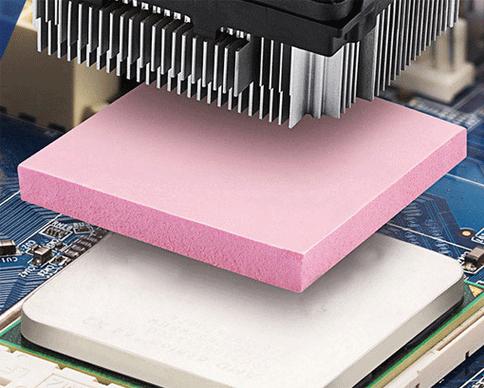
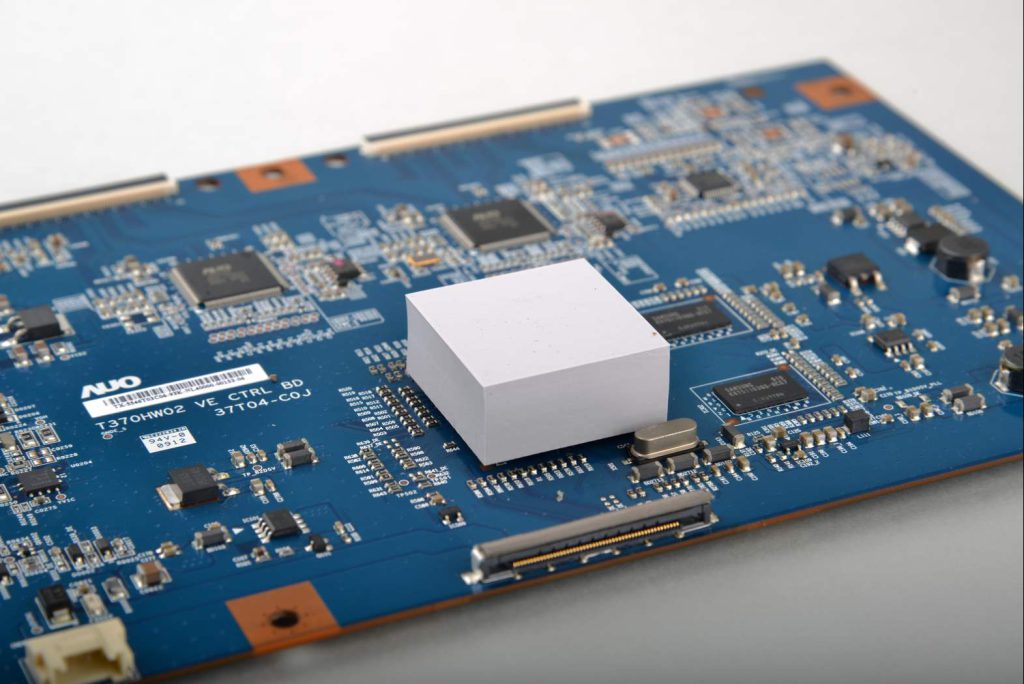
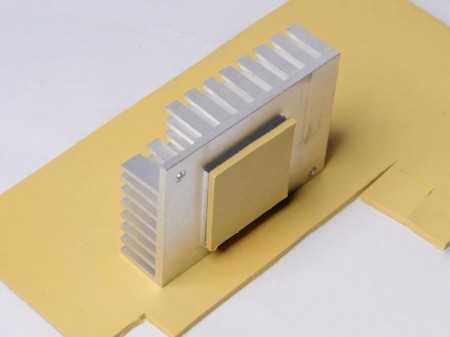
1. Eliminating Process Variability & Rework: Manual or even automated grease dispensing can suffer from voids, spills, and inconsistent amounts. This leads to thermal testing failures, rework, and scrap. A pre-formed solid thermal pad for manufacturing ensures precise, repeatable application every time, boosting production line yield and reducing labor costs.
2. Speeding Up Assembly: Placing a pre-cut pad is faster than calibrating and dispensing grease. This simplicity accelerates your cycle time, allowing more units off the line per shift without investing in complex dispensing equipment.
3. Enhancing Long-Term Reliability (The Biggest Savings): As discussed in our previous post, grease failure can lead to field returns, warranty claims, and brand damage—costs that dwarf initial material savings. A reliable high-volume thermal interface solution that prevents pump-out protects your product against these expensive failures.
When does the investment pay off?
For products with medium to high complexity, long expected life, or where thermal performance is critical to function, the upfront material cost is a small investment for massive downstream savings in reliability and brand protection.
Choosing a TIM is not just a procurement decision; it’s a strategic manufacturing and quality decision. Evaluate our SP180 not just by its thermal conductivity of 1.8 W/m·K, but by its potential to streamline your assembly and protect your reputation.