Thin is In: Using Ultra-Thin Phase Change Materials for Compact Consumer Electronics
The drive for slimmer, more powerful consumer electronics presents a formidable thermal challenge: dissipating significant heat from a SoC (System-on-Chip) within a sub-millimeter gap to the chassis or internal heat spreader. Standard thermal pads may be too thick or too compliant, while grease risks contamination in automated, high-precision assembly.
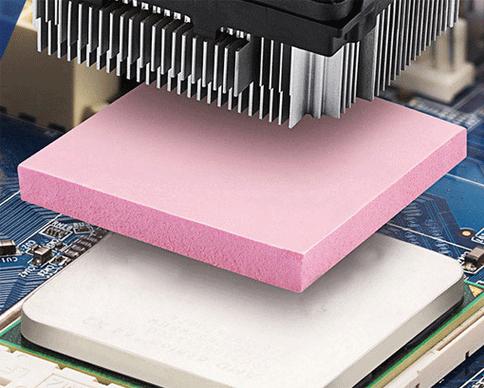
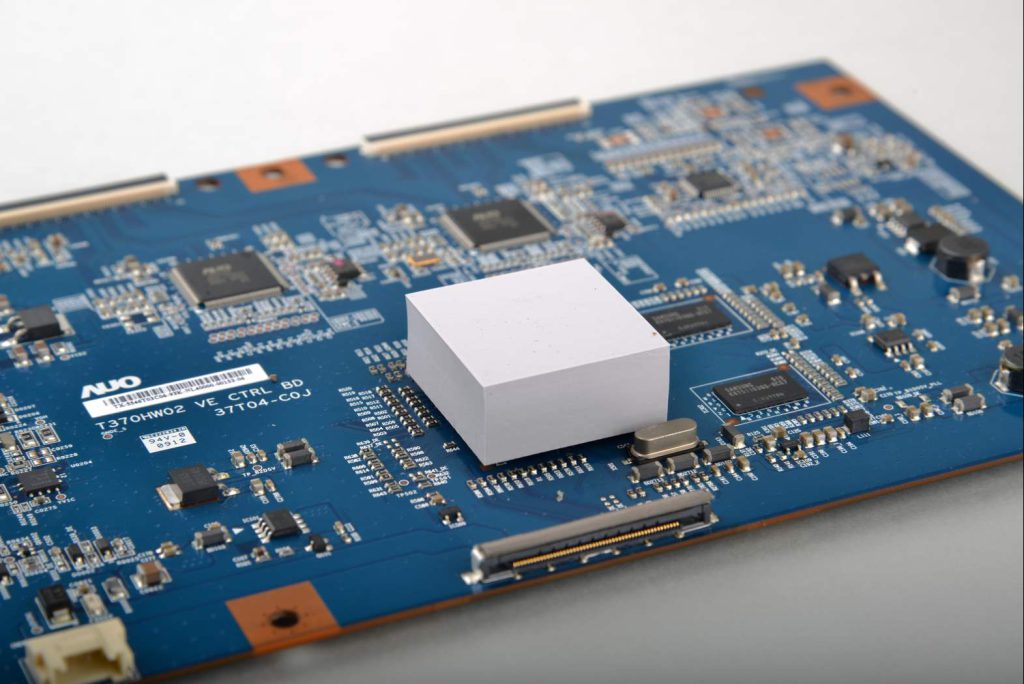
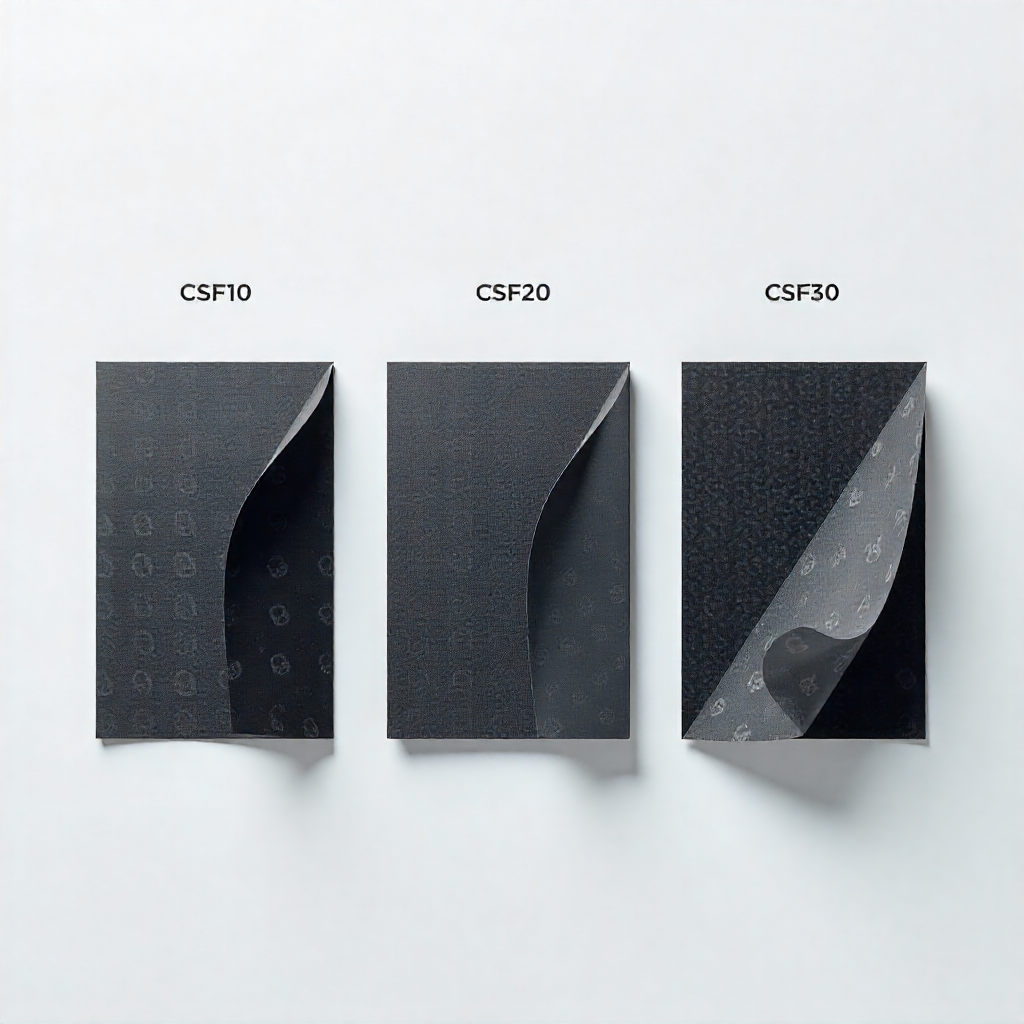
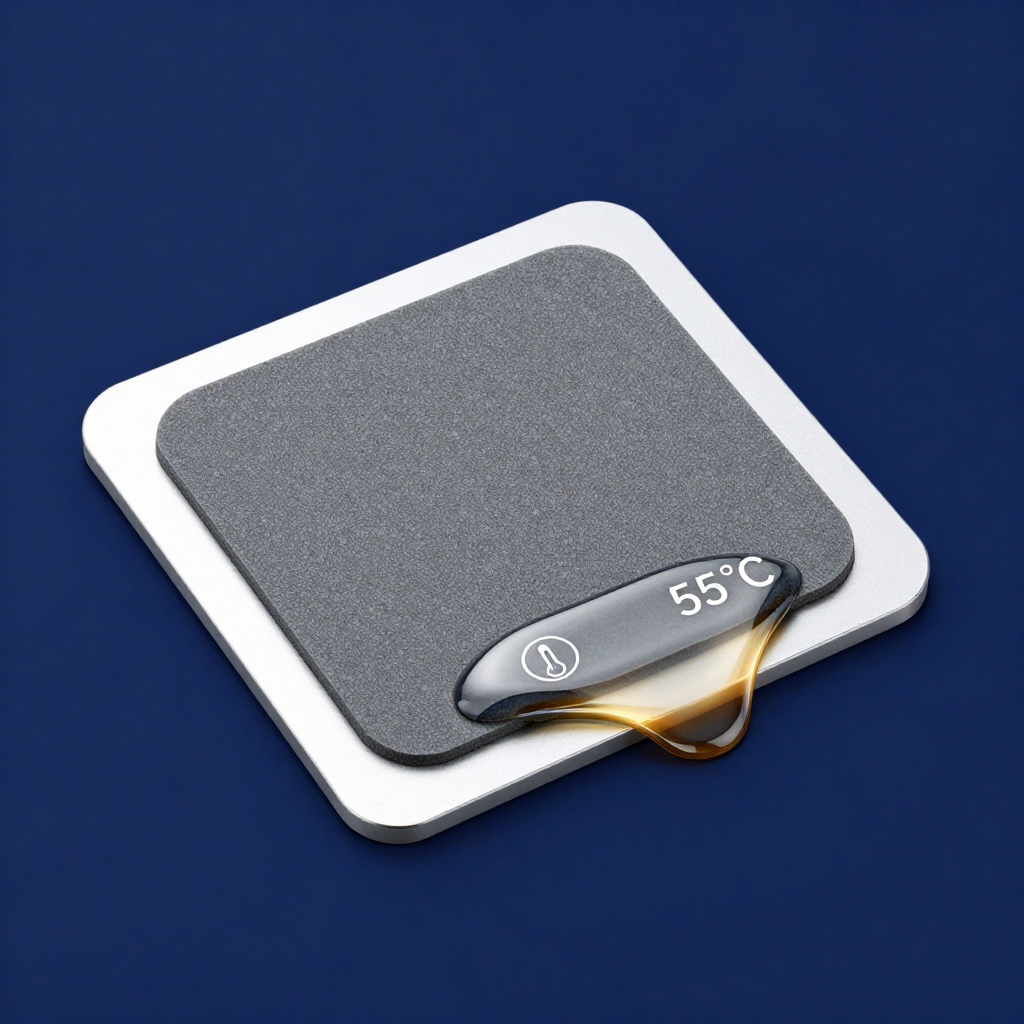
For these space-constrained thermal management applications, ultra-thin phase change materials offer a compelling solution. Available in thicknesses down to 0.25mm or less, they provide a critical balance of performance and mechanical fit.
Why phase change works for miniaturization:
- Fills Microscopic Gaps: Even with ultra-thin designs, surface irregularities exist. The phase change action ensures these nano-gaps are filled, maximizing the effective contact area—the most crucial factor in thin geometries.
- Withstands Compression: These materials are designed to handle the necessary mounting pressure without excessive flow or bleed, maintaining their structural integrity and preventing short circuits.
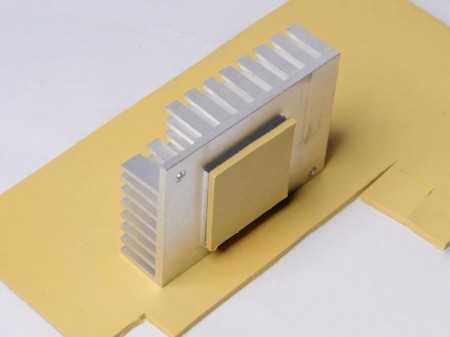
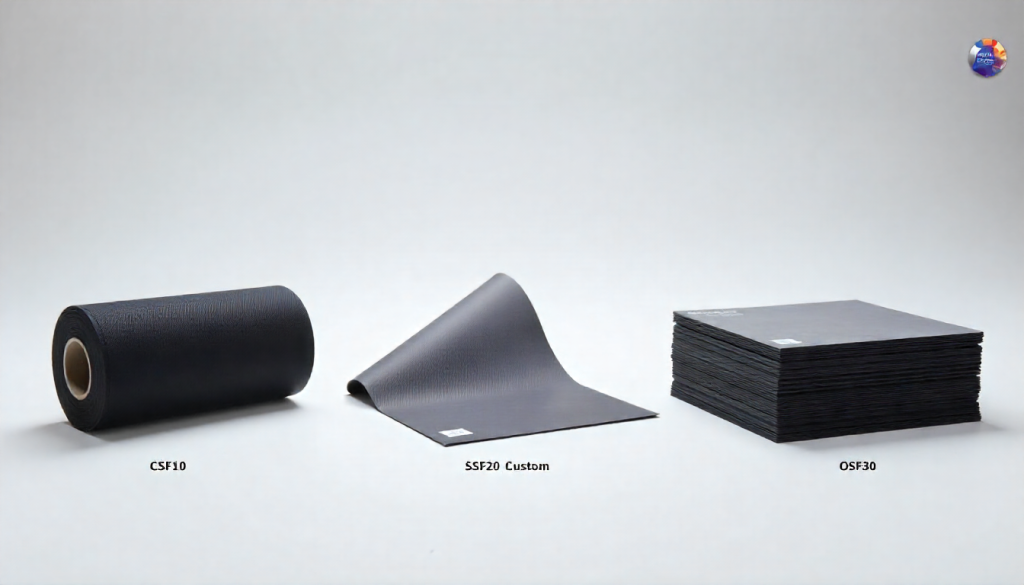
- Process-Compatible: Supplied on easy-release liners, they enable clean, robotic placement—essential for the high-volume, automated production of devices like smartphones and tablets.
When selecting a thermal interface for a foldable phone or wearable device, key considerations go beyond conductivity: thickness control, handling characteristics, and long-term stability under thin-film conditions are paramount.
Pushing the boundaries of form factor requires rethinking every component. Discover how our SP180 Phase Change Material is available in ultra-thin profiles specifically engineered to meet the stringent demands of next-generation compact electronics, enabling you to design thinner without compromising on thermal performance or reliability.