Design for Cost: Optimizing Your Thermal Interface Budget Without Sacrificing Performance
In competitive markets, every component cost is scrutinized. The Thermal Interface Material (TIM) is often a target, but simply choosing the cheapest option is a recipe for field failures and high warranty costs. True cost engineering involves smart optimization—selecting the right performance tier for the application to eliminate waste.
Here are two strategic levers to pull for TIM cost optimization:
1. Right-Spec, Don’t Over-Spec:
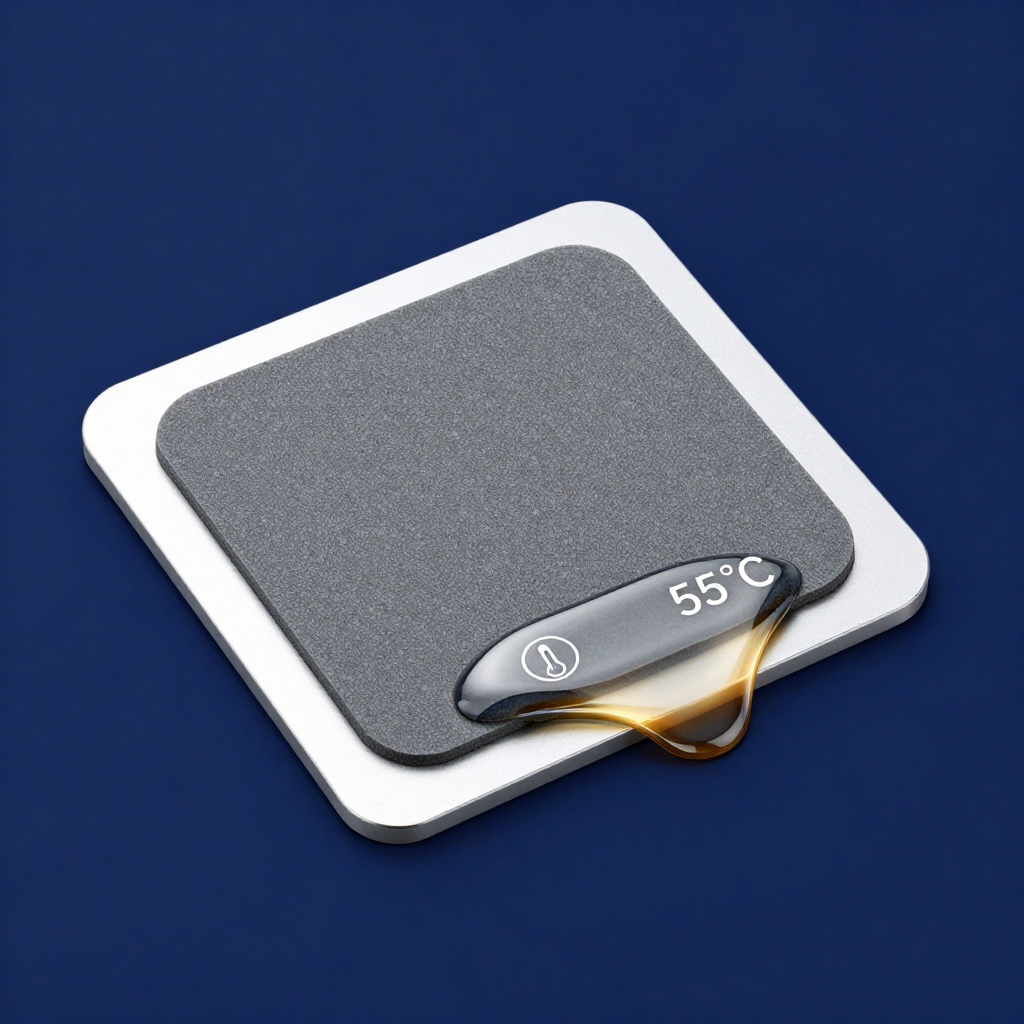
A common mistake is defaulting to the highest thermal conductivity pad available “for safety.” Conduct a detailed thermal analysis: Does your design truly need a 5 W/m·K pad, or would a reliable 1.8 W/m·K phase change material like the SP180 suffice at a fraction of the cost? Matching the TIM’s capability to the actual heat flux is the first step to savings.
2. Right-Size the Geometry:
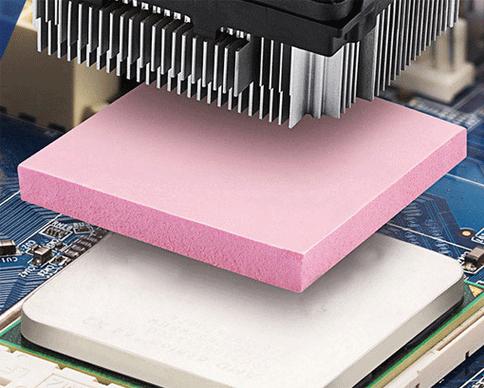
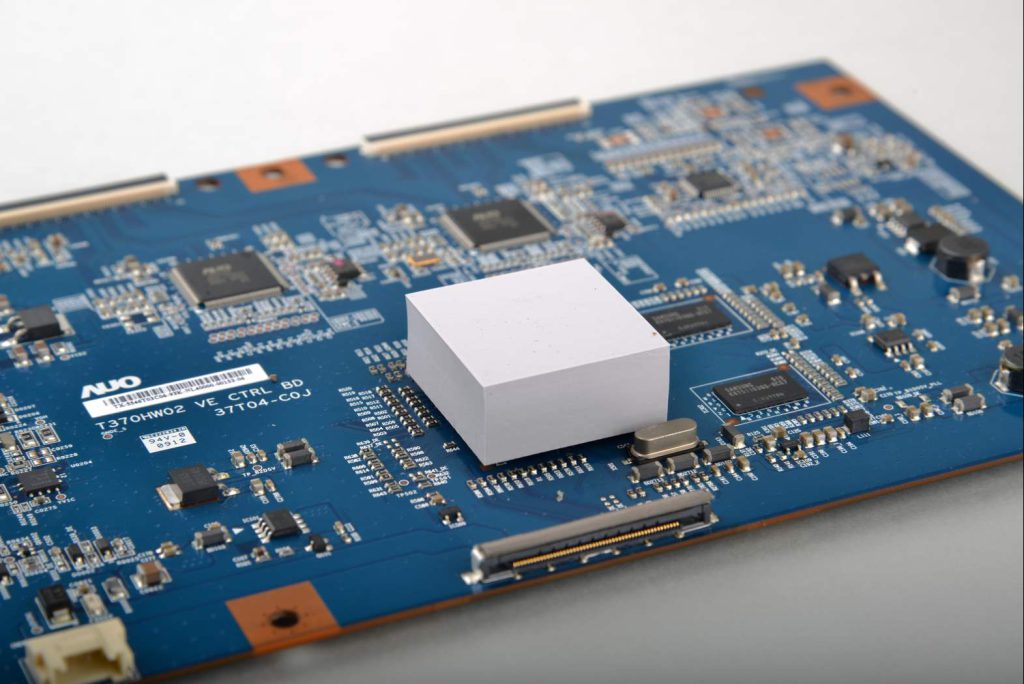
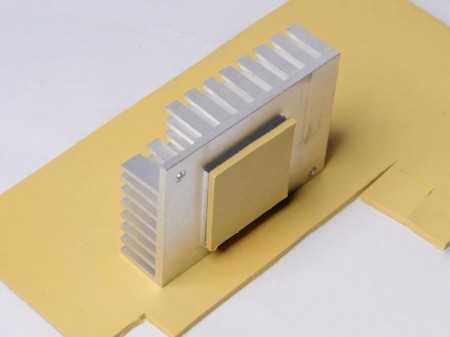
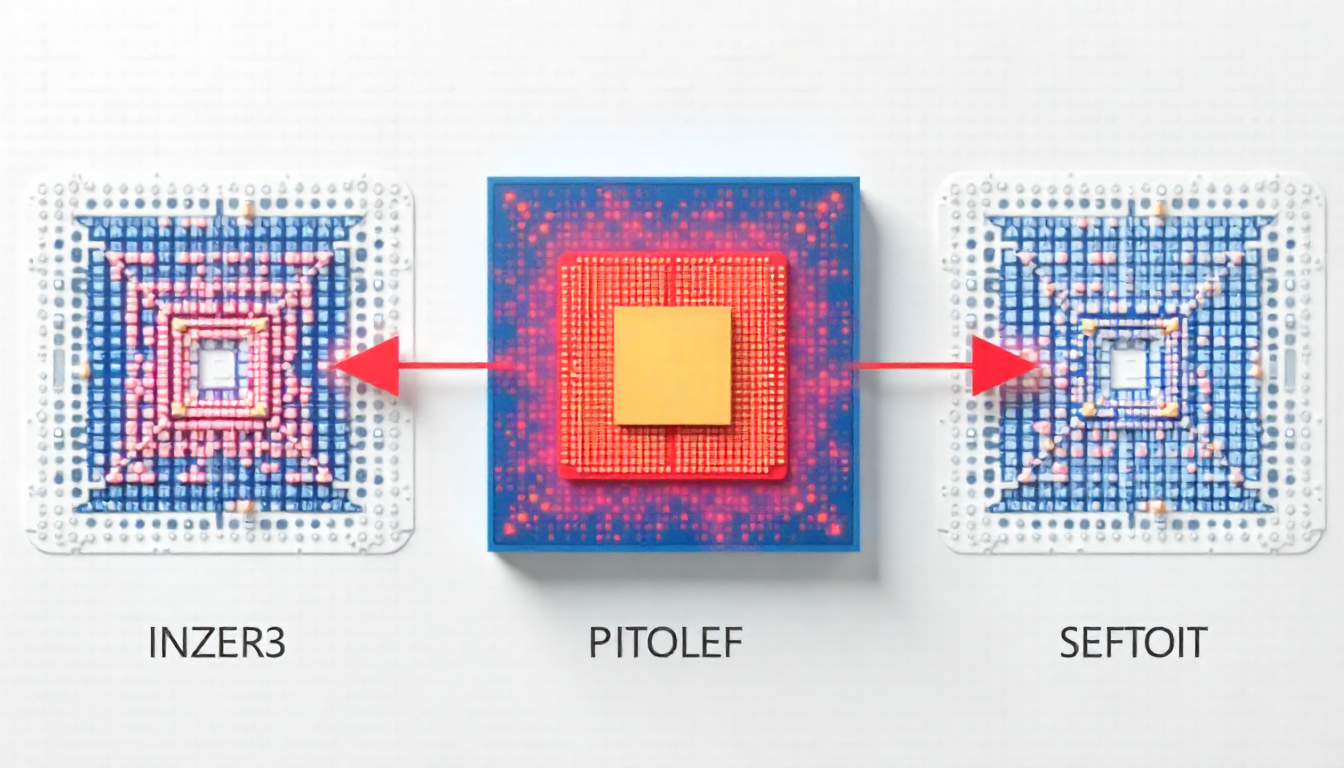
Work with your supplier to minimize pad area and thickness. Can the pad be precision-die-cut to cover only the core die area instead of the entire package? Reducing from a 30x30mm pad to a 20x20mm pad cuts material use by over 55%. Similarly, using a 0.5mm pad where a 1.0mm was previously specified doubles your yield per roll.
Think in Cost-Per-Watt:
Instead of cost-per-gram, evaluate the TIM’s cost relative to the watts of heat it reliably transfers. A mid-performance, highly reliable phase change pad often offers a superior cost-per-watt value over a high-performance but expensive or less stable alternative.
Our application engineering team can help you optimize your thermal budget. By analyzing your thermal model and assembly process, we can recommend the most cost-effective phase change solution—whether it’s the SP180 or another grade—that meets your performance goals without over-engineering and overspending.