The Green Circuit: Evaluating the Environmental Impact of Your Thermal Interface Material
As consumers and regulators demand more sustainable electronics, OEMs are looking at every component through an environmental lens. Beyond basic RoHS compliance, the sustainability of a Thermal Interface Material (TIM) encompasses its chemical composition, durability, and end-of-life impact.
Key Aspects of a Sustainable TIM Choice:
1. Material Chemistry:
- Halogen-Free: Leading the push for cleaner incineration, many companies now specify halogen-free flame retardants (as opposed to brominated ones) in their TIMs to reduce toxic emissions.
- Bio-based or Recycled Content: While nascent, research into polymers derived from renewable sources or containing recycled content is growing.
2. Product Longevity (The Most Direct Impact):
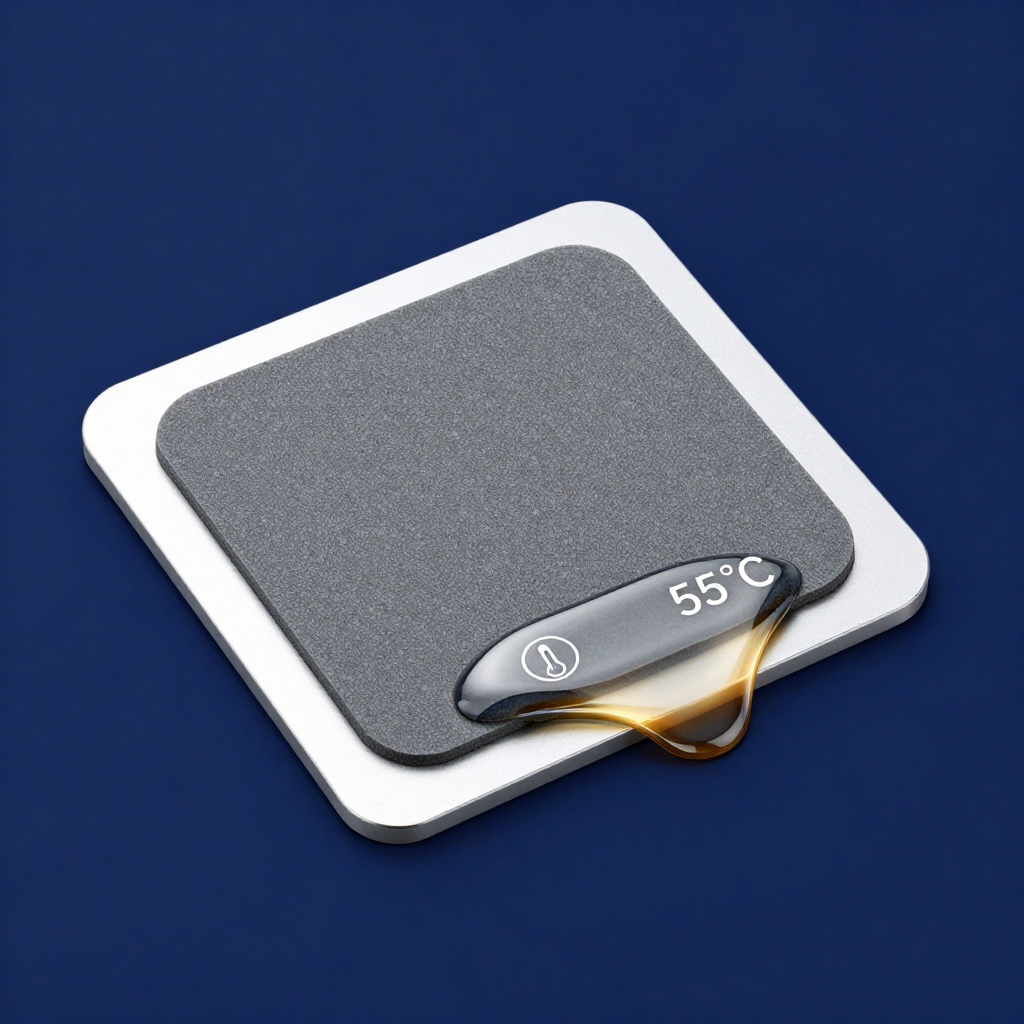
The most sustainable component is one that never fails. A TIM that prevents pump-out and thermal degradation directly contributes to product longevity. By enabling your device to operate reliably for its full intended lifespan (or longer), you actively combat premature e-waste generation. A durable phase change material is, in this critical sense, a green choice.
3. End-of-Life Considerations:
While separating the TIM during recycling is challenging, using materials that are less problematic if they remain on the board (e.g., halogen-free formulations) is a step forward. The industry is moving towards a broader life cycle assessment mindset.
Choosing a TIM is no longer just a technical or cost decision; it’s an environmental one. We are committed to developing solutions that meet high-performance demands while advancing sustainability goals. Our products, including the SP180, are available in halogen-free formulations and are engineered for long-term reliability, helping you design electronics that are not only smarter but also more responsible.