Total Cost of Ownership (TCO) in TIM Procurement: Moving Beyond Price-Per-Sheet
For procurement professionals, the initial price-per-unit of a Thermal Interface Material (TIM) is a clear metric. However, focusing solely on this can lead to higher overall costs. A strategic approach evaluates the Total Cost of Ownership (TCO), which includes hidden costs across the product lifecycle.
The TCO Framework for TIMs:
TCO = Unit Material Cost + Application Cost + Quality Cost + Reliability Cost
- Application Cost:
- Cheap Grease: May require manual dispensing, curing time, potential rework due to mess, and higher labor costs.
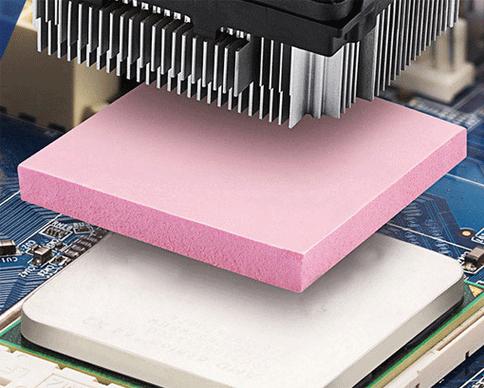
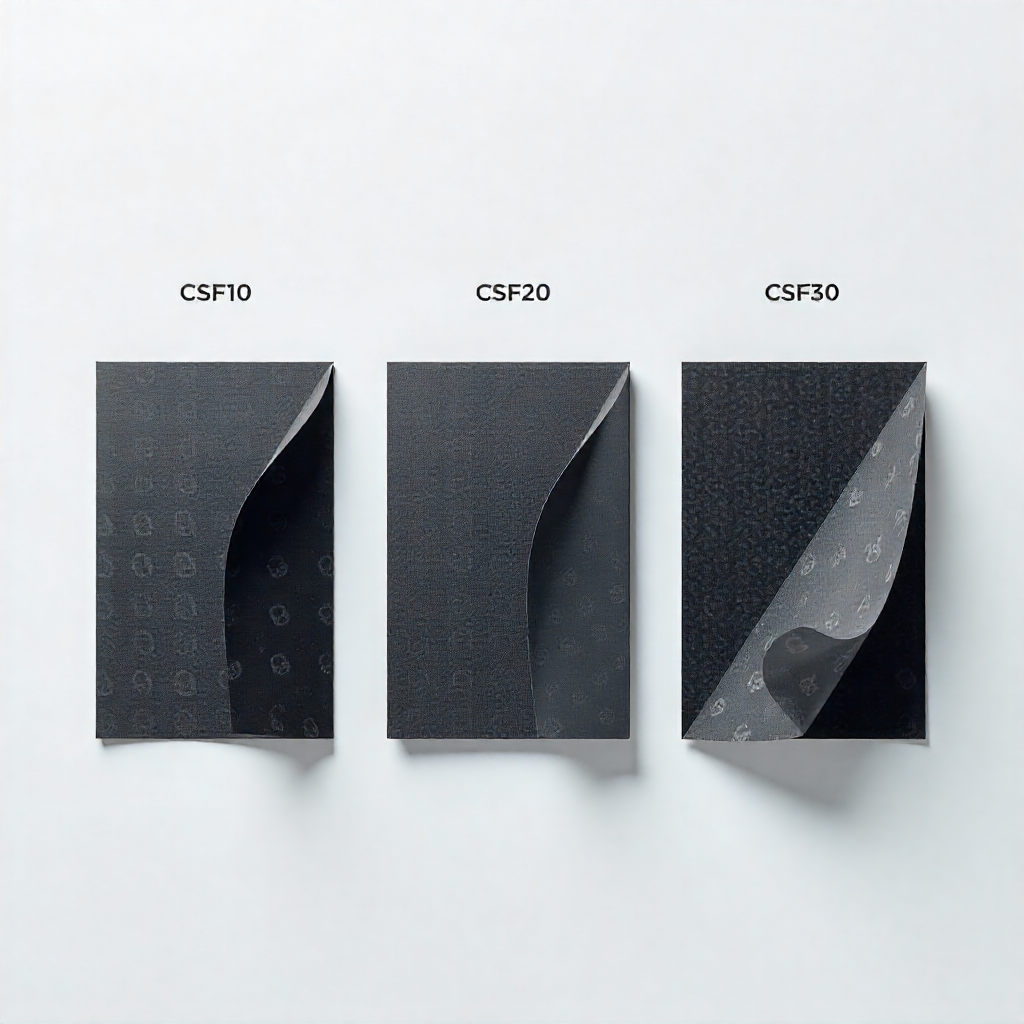
- Pre-Cut Phase Change Pad: Enables faster, automated placement with near-zero waste and lower touch labor. The higher material cost is offset by lower assembly cost.
- Quality Cost (Cost of Poor Quality):
- A lower-performance or inconsistent TIM can lead to higher fallout in final thermal testing, requiring unit rework or scrap.
- It can also cause field failures and warranty returns, where the cost of a single return (shipping, diagnosis, repair, replacement) can eclipse the savings from thousands of cheap TIM units.
- Reliability Cost:
- This is the most significant but hardest-to-quantify factor. A TIM that degrades over 3 years may cause a product to fail just outside the warranty period, damaging brand reputation and customer loyalty.
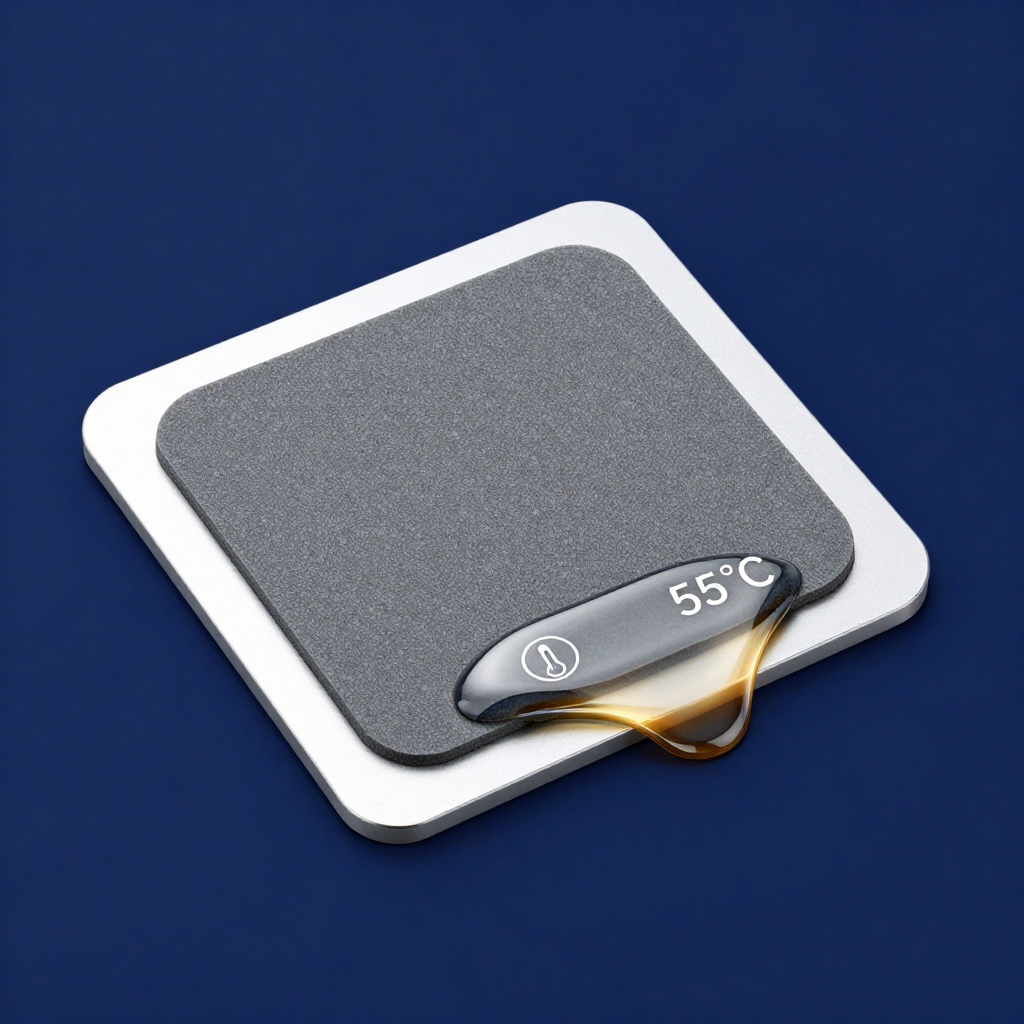
- Investing in a premium, non-pump-out phase change material is an investment in reduced future liability and sustained brand equity.
The Negotiation Shift:
Instead of negotiating only on price, discuss value. Present data on how a more reliable TIM can reduce your assembly time, improve first-pass yield, and lower projected warranty costs. Frame the purchase as a strategic partnership for cost optimization, not just a transaction.