From Mine to Module: The Global Supply Chain of a Thermal Interface Material
The journey of a simple thermal pad is a global story of chemistry, mining, and logistics. Understanding this value chain explains cost drivers, identifies supply risks, and is the first step toward genuine sustainability analysis. Let’s trace the path.
Stage 1: Raw Material Sourcing
- Polymer Base: Silicone, polyolefin, or acrylic. These petrochemical-derived polymers have volatile prices linked to oil & gas markets and their respective production geographies.
- Functional Fillers: This is where performance is “mined.”
- Ceramic Fillers (Alumina, Boron Nitride): Mined and processed, with BN being a higher-cost, higher-performance specialty material.
- Conductive Fillers (Graphite, Silver): Natural or synthetic graphite mining; silver is a precious metal with its own volatile market.
- Additives: Cross-linkers, tackifiers, and flame retardants sourced from specialty chemical suppliers.
Stage 2: Formulation and Manufacturing
The “recipe” is proprietary. Raw materials are mixed in a high-shear compounding process to achieve perfect, agglomerate-free filler dispersion—a key factor in performance. The homogeneous material is then calendered into sheets of precise thickness or coated onto liners. This stage requires significant energy and technical expertise.
Stage 3: Conversion and Distribution
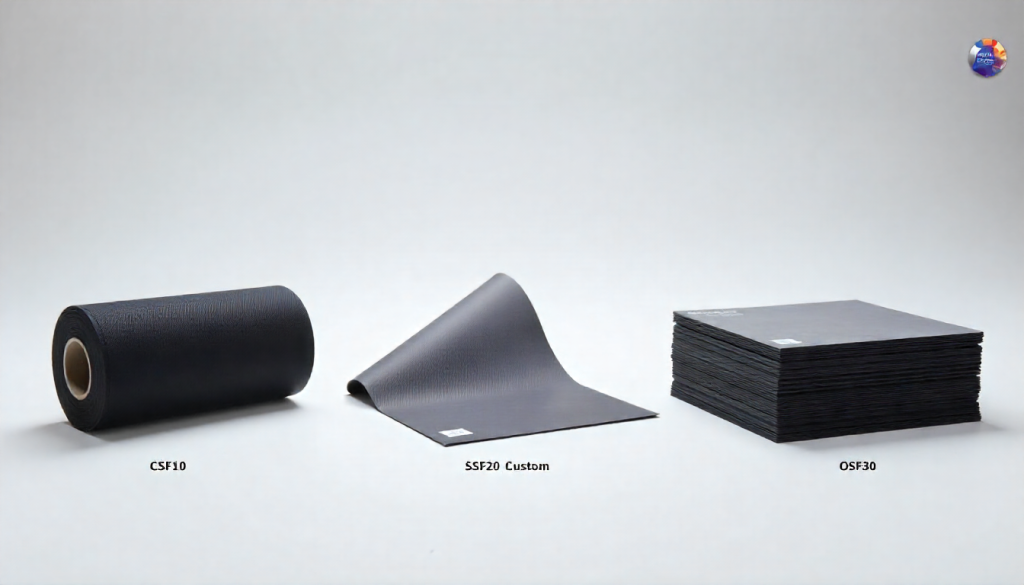
Sheets are die-cut to customer shapes, slitted, or wound onto reels. This conversion step adds value but also generates waste (managed through efficient nesting). Finished goods are then shipped globally, with logistics costs and lead times becoming a factor.
Implications for Your Business:
- Cost Drivers: A price spike in aluminum oxide or a logistical bottleneck in silicone precursors directly impacts TIM costs.
- Supply Risk: Geopolitical factors affecting mining regions or chemical production can ripple down the chain.
- Environmental Footprint: The chain is energy-intensive. The most significant lever for “greening” a TIM is often at the raw material and manufacturing stage, not the end product.
We believe in supply chain transparency. By understanding this journey, we work to mitigate risk through diversified sourcing and collaborate with upstream partners to improve the sustainability profile of the materials we transform into your thermal solutions.