The Invisible Culprit: How Chemical Cross-Contamination Destroys TIM Performance
Not all TIM failures are thermal or mechanical. Some of the most insidious are chemical, arising from silent interactions between the TIM and other materials in the assembly. This cross-contamination can lead to sudden loss of performance, electrical leakage, or corrosion, often after the product has passed initial testing.
Common Cross-Contamination Scenarios:
- Plasticizer Migration & Silicone Oil Bleed:
- Scenario: Low-molecular-weight silicone oils from a TIM can slowly migrate over time, coating nearby electrical connectors or switch contacts, causing increased contact resistance and intermittent failures.
- Prevention: Specify low-bleed or non-silicone-based TIMs for applications near sensitive contacts. Ensure TIMs are certified for low outgassing.
- Adhesive/Encapsulant Outgassing:
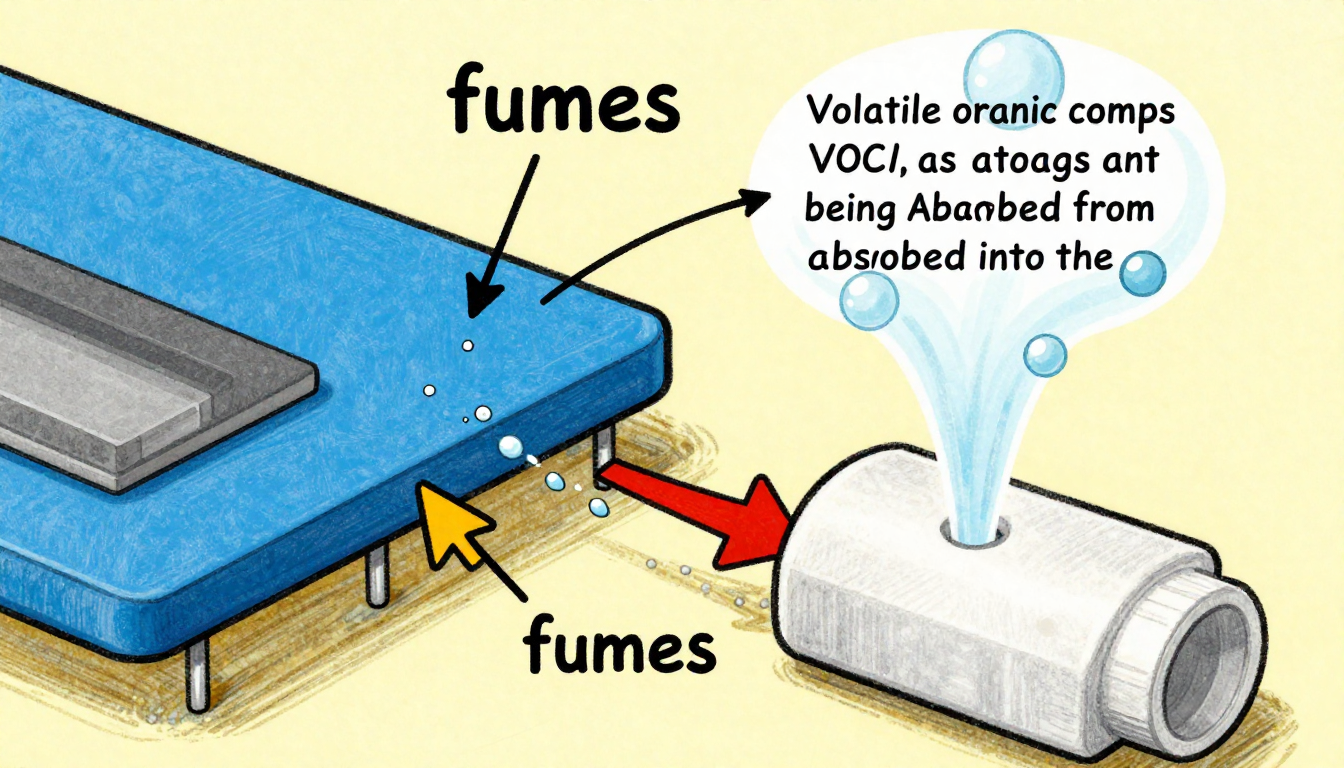
- Scenario: Uncured monomers or solvents from a nearby epoxy adhesive, potting compound, or conformal coating can outgas during operation. These vapors can be absorbed by the TIM, causing it to swell, soften excessively, or lose its thermal properties.
- Prevention: Understand the cure cycles and outgassing profiles of all polymers in the assembly. Allow for proper curing/venting before final enclosure seal. Test for chemical compatibility between materials.
- Interaction with Plastics and Elastomers:
- Scenario: Certain TIM formulations can act as solvents for plastics or rubbers used in gaskets, cable insulation, or housings, causing them to swell, crack, or become tacky.
- Prevention: Conduct compatibility tests by placing material samples in close contact under elevated temperature and inspecting for changes in hardness, color, or weight.
Analysis and Diagnosis:
When a TIM appears to have “failed” mysteriously, consider a chemical analysis. Techniques like FTIR (Fourier-transform infrared spectroscopy) or GC-MS (gas chromatography–mass spectrometry) can detect foreign compounds within the degraded TIM, pointing to the source of contamination.
Proactive design requires a holistic material strategy. We provide compatibility guidelines and low-outgassing material options to help you build a chemically stable system where every material coexists reliably for the long term.