The Reusability Challenge: Can Thermal Interface Materials Ever Be Part of a Circular Model?
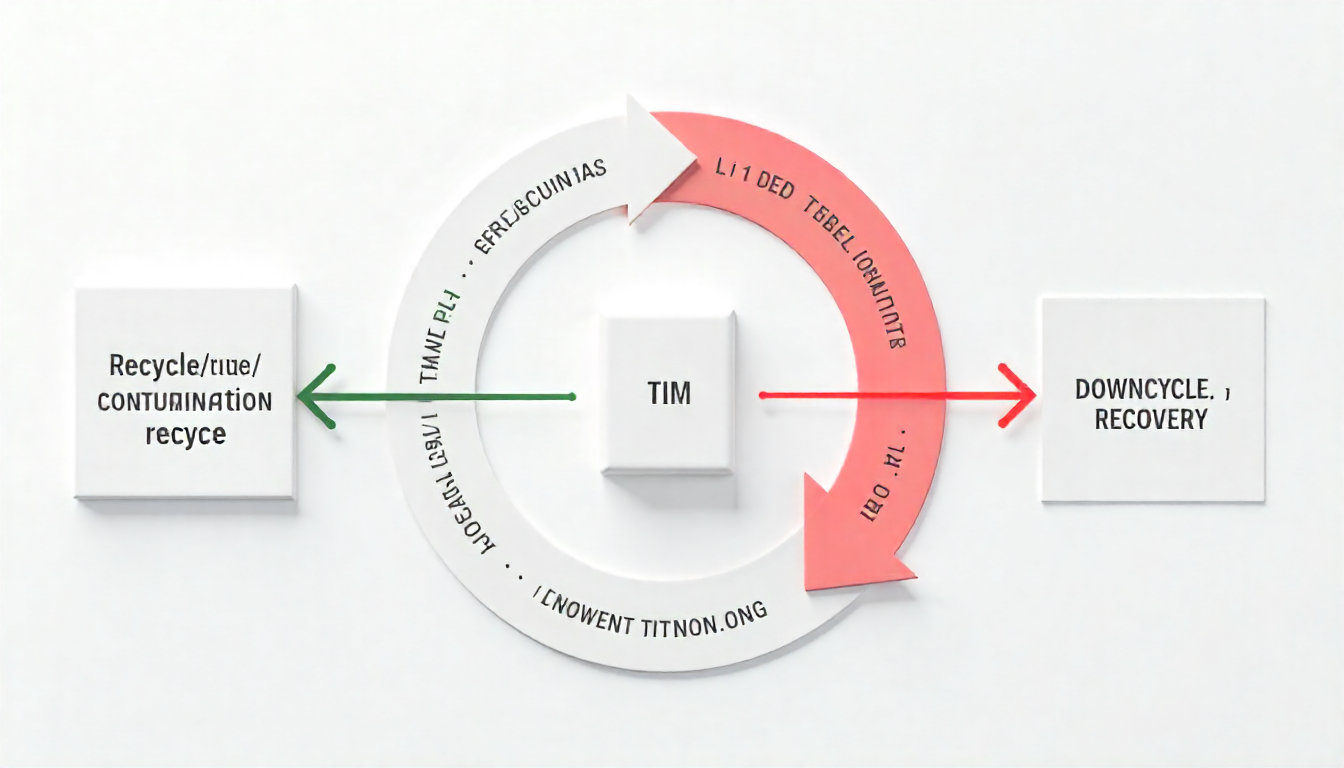
The push for a circular economy in electronics collides with the reality of modern Thermal Interface Materials (TIMs). Their very design for permanent, high-performance bonding makes them a nemesis of disassembly and recycling. This article explores the harsh truths and nascent solutions for making TIMs less linear in their lifecycle.
The Core Obstacles to Circularity:
- The Adhesion/Disassembly Paradox: High-performance TIMs, especially phase change materials and greases, are engineered to maximize contact and adhesion. This makes them incredibly difficult to cleanly separate during disassembly. They contaminate both the component and heatsink, complicating reuse or high-grade material recovery.
- Material Heterogeneity and Contamination: A typical TIM is a complex composite of polymer, fillers, and additives. Once used, it’s contaminated with metals and other materials from the surfaces it contacted. This makes post-use separation and purification into a virgin-grade material technically complex and economically unviable with current recycling infrastructure.
- Volume vs. Impact: The mass of TIM in any single device is tiny. The economic driver to develop specialized recycling processes for such a low-volume, contaminated material stream does not currently exist.
Potential Pathways Forward:
- Design for Serviceability: The most immediate lever is product design that allows easy access and replacement of the TIM. This extends product life and allows for professional recovery of other components, even if the TIM itself is discarded.
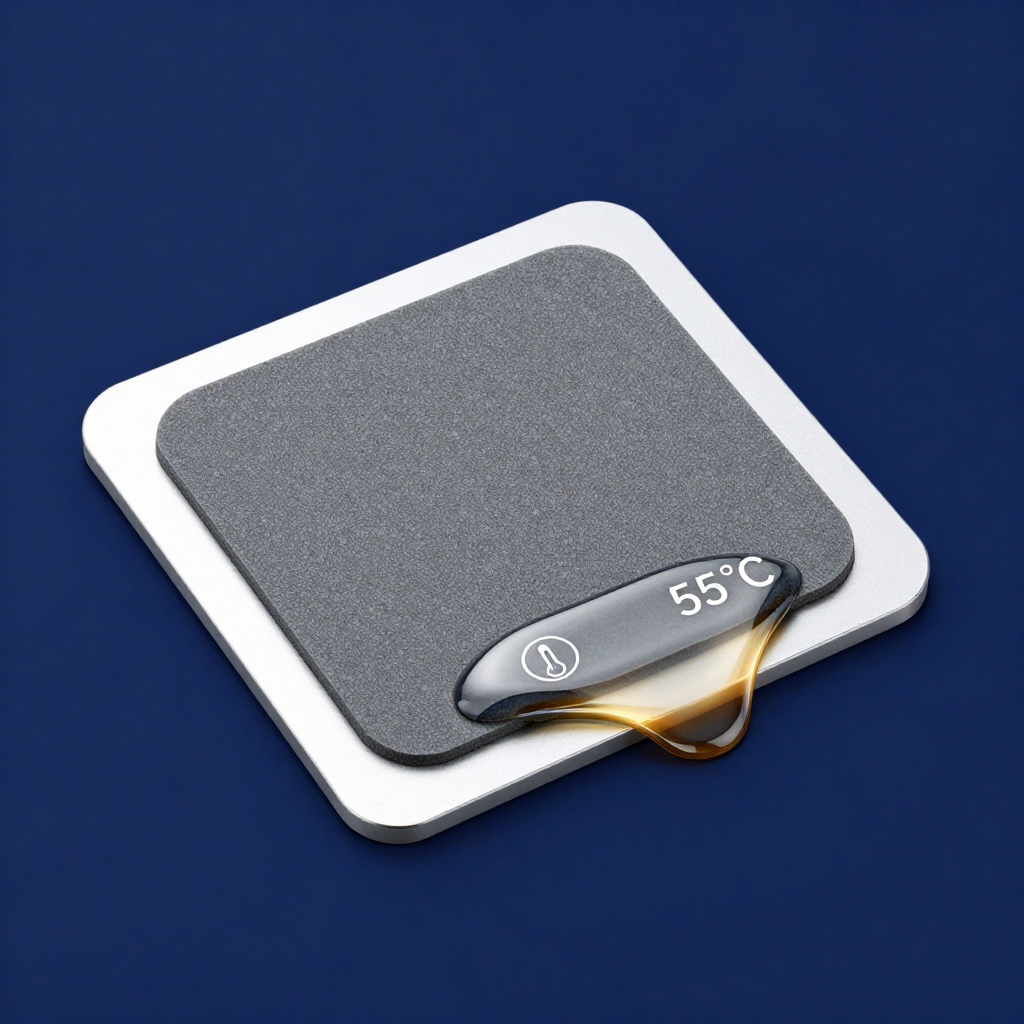
- Material Innovation for Debonding: Research into TIMs that maintain strong thermal performance but can be chemically or thermally debonded at end-of-life is in early stages. Think of a material whose adhesion weakens at a specific, high temperature, allowing clean separation.
- Monopolymer & Bio-Based Systems: Developing TIMs from a single, readily recyclable polymer type (e.g., a specific polyolefin) or from bio-derived sources could simplify end-of-life processing, though significant performance hurdles remain.
The Honest Conclusion:
True, high-volume recycling of TIMs remains a distant goal. The most impactful current strategy is to maximize product longevity and energy efficiency in the use phase, thereby amortizing the environmental cost of the TIM over more service years. We are committed to this through ultra-reliable products and support R&D into the material science breakthroughs that may one day close the loop.