The Living Interface: Self-Healing TIMs That Repair Micro-Cracks and Restore Thermal Performance Autonomously
What if a Thermal Interface Material (TIM) could heal itself? Micro-cracks from thermal stress, delamination from vibration, or minor pump-out would no longer be terminal failures, but temporary setbacks. Self-healing TIMs embed transformative chemistry or microstructures that enable autonomous repair, maintaining optimal thermal contact over decades.
Mechanisms of Autonomic Repair:
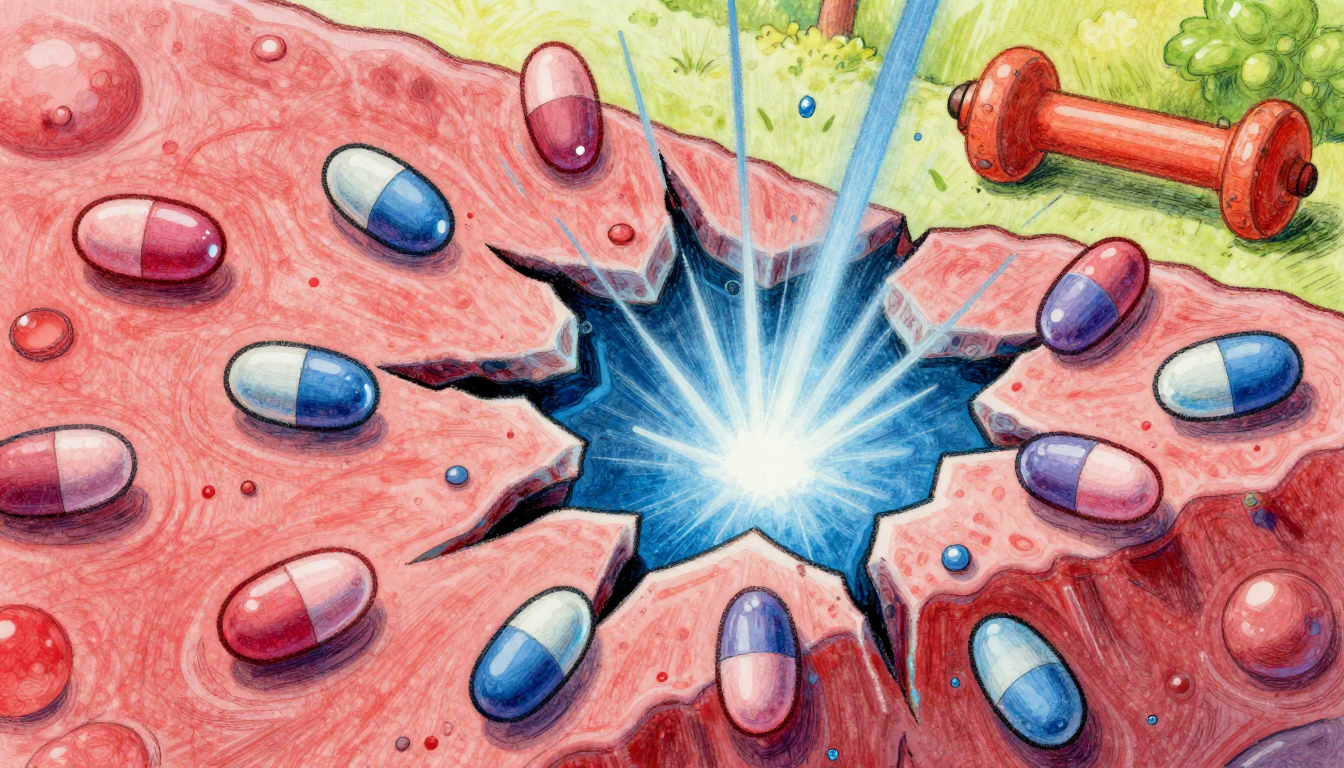
- Microencapsulated Healing Agents: The TIM contains microscopic capsules filled with a liquid monomer or uncured polymer. When a crack propagates, it ruptures the capsules, releasing the healing agent into the crack plane. A catalyst in the TIM matrix then triggers polymerization, bonding the crack faces shut.
- Intrinsic Reversible Chemistry: The polymer matrix itself is built using dynamic covalent bonds (e.g., Diels-Alder bonds) that can break and reform. Applying localized heat (from the device’s own operation or an external trigger) allows the material to reflow and re-bond at damage sites, effectively “resetting” the interface.
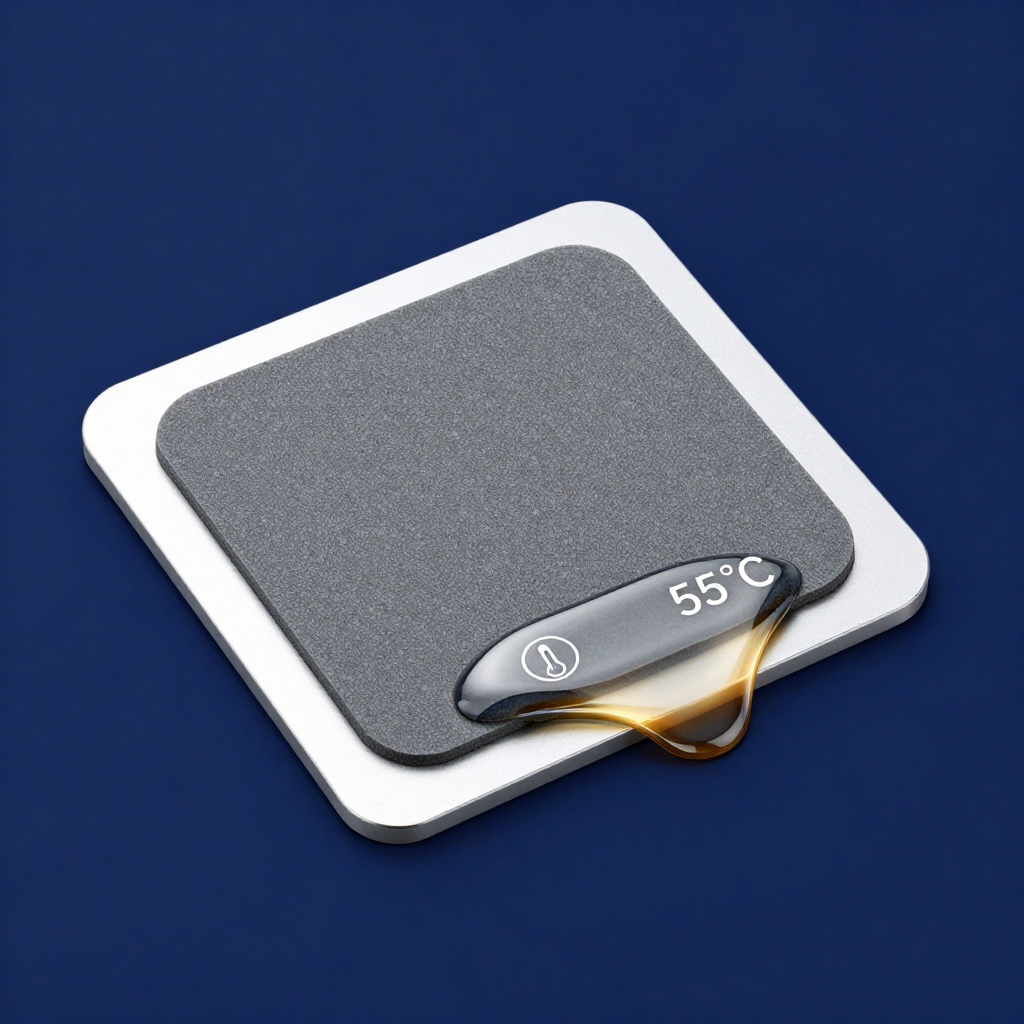
- Shape Memory & Flow: Phase change materials with tailored viscosity profiles can be designed to have a low re-melt viscosity. If a gap forms (pump-out), a subsequent thermal cycle can cause the material to flow and re-wet the surface, closing the gap.
Implications for Extreme Reliability:
- Space & Deep-Sea Electronics: Systems where physical maintenance is impossible could maintain thermal performance over multi-decade missions.
- High-Cycle Consumer Electronics: Devices like laptops and phones, subjected to daily thermal cycles, could avoid the gradual thermal throttling associated with TIM degradation.
- Predictive Maintenance 2.0: Coupled with sensors, a self-healing TIM could report a “healing event,” providing invaluable data on the stress history of the device.
The development of robust, cost-effective self-healing TIMs is a grand challenge in materials science. It represents the convergence of thermal management with cutting-edge polymer chemistry, aiming to create interfaces that are not just durable, but actively durable.