From Friction to Function: Triboelectric Nanogenerators Embedded in TIMs for Self-Powered Sensor Systems
In the quest for energy autonomy in electronics, every wasted energy form is a potential resource. What if the mechanical vibrations that challenge a Thermal Interface Material’s (TIM) integrity could also power its own health monitoring? By integrating Triboelectric Nanogenerators (TENGs) within a TIM’s structure, we can transform mechanical stress into electrical energy, creating a multifunctional, self-powering thermal interface.
The Principle: Harnessing Contact Electrification
A TENG generates power from the triboelectric effect (static electricity) when two dissimilar materials repeatedly contact and separate. In an operating electronic device, constant micro-vibrations and thermal expansion/contraction create precisely this kind of mechanical motion at the TIM interfaces.
Designing a TENG-Integrated TIM:
- Stratified Design: The TIM is fabricated as a multi-layer stack, where alternating layers are made of triboelectrically positive and negative materials (e.g., specialized polymers, composite films). Vibration causes these layers to microscopically rub, generating charge.
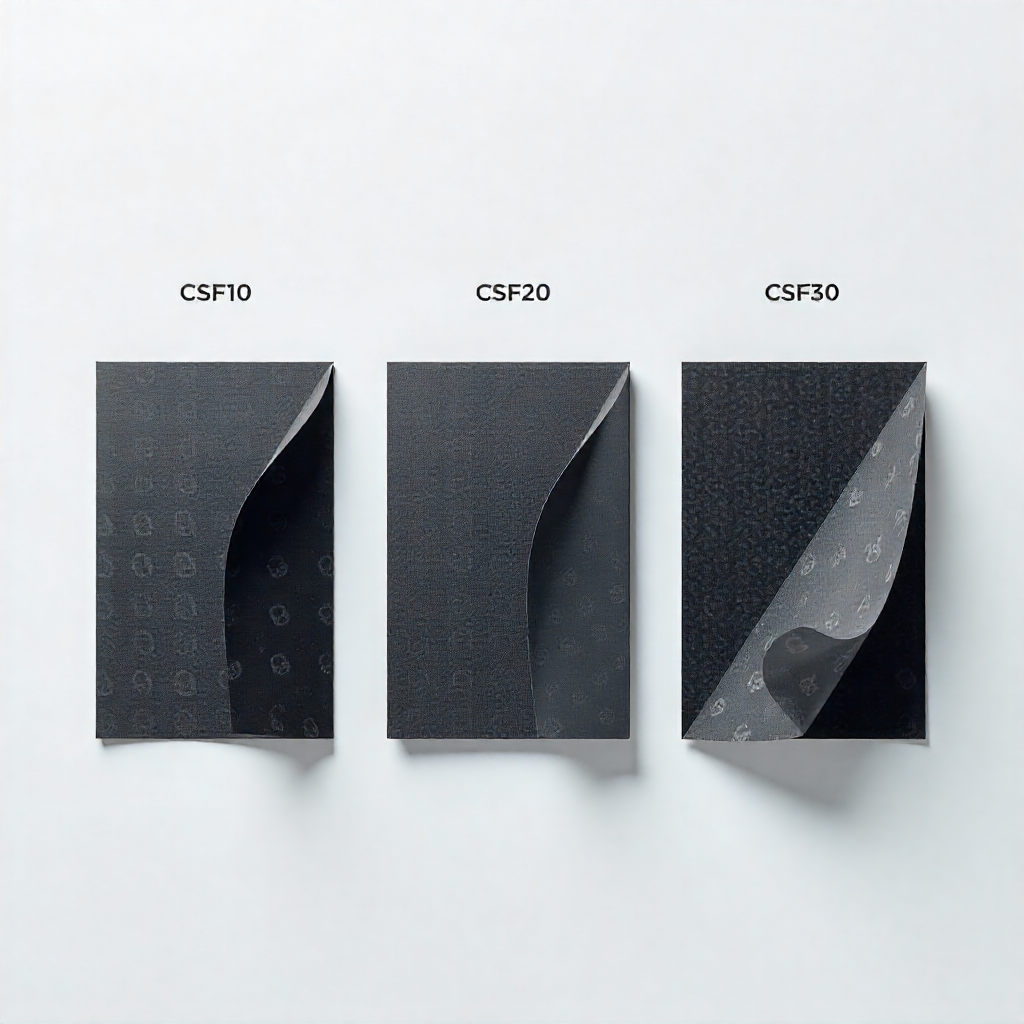
- Micro-Patterned Surfaces: The contacting surfaces within the TIM are engineered with micro/nano patterns (pyramids, pillars) to dramatically increase the contact area and power output of the triboelectric effect.
- Integrated Energy Storage & Sensing: The harvested micro-watts of power (µW to mW scale) can be stored in a micro-capacitor or thin-film battery embedded within the TIM assembly, powering a tiny temperature, strain, or acoustic emission sensor that monitors the health of the interface itself.
System-Level Value:
This creates a closed-loop, energy-autonomous sensing system:
- Vibration (Waste Energy) -> TENG-Integrated TIM -> Electrical Power -> Embedded Sensor -> Real-Time Health Data.
This is invaluable for predictive maintenance in hard-to-access systems like satellite electronics, wind turbine converters, or sealed industrial drives.
While adding complexity, this convergence of energy harvesting, sensing, and thermal management represents the pinnacle of smart material system design, where every component serves multiple synergistic purposes.