The Dynamic Gap: MEMS-Based TIMs That Actively Modulate Contact Pressure and Thermal Resistance
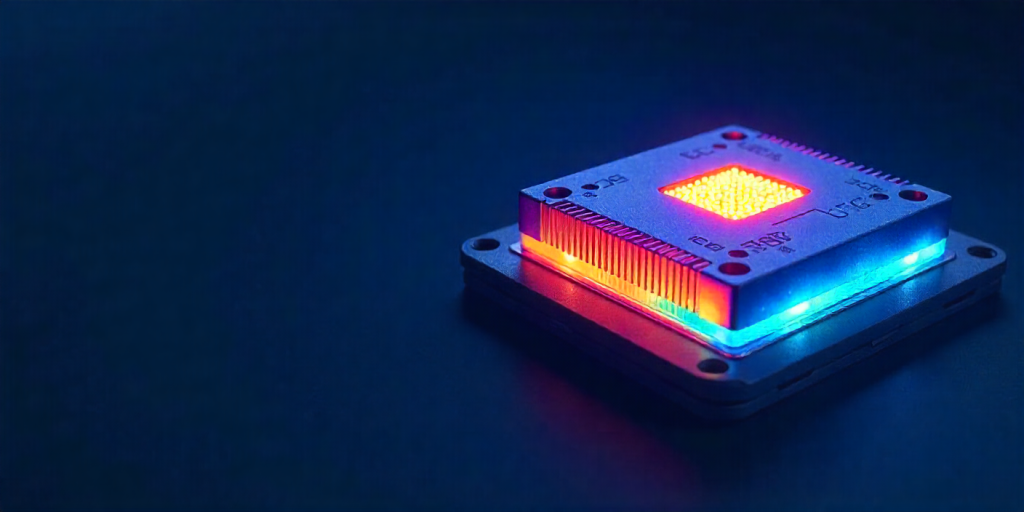
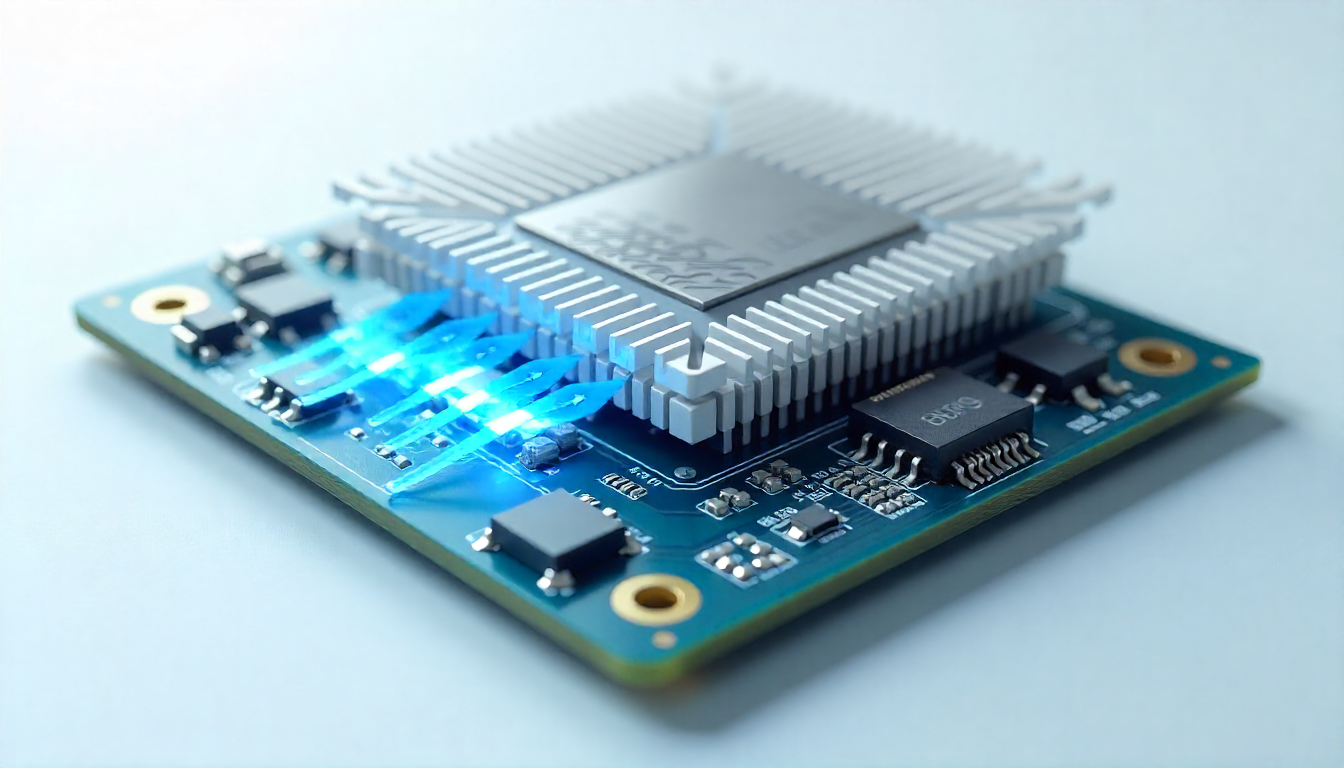
What if a Thermal Interface Material could sense a hotspot and physically tighten its own contact pressure at that exact location? Or if it could reduce pressure on a cool, idle component to minimize stress? This is the concept of an Electrostatically Actuated Adaptive TIM—a solid-state interface that uses integrated MEMS actuators to dynamically control the mechanical and thermal state of the joint.
Mechanism of a “Smart” MEMS TIM:
Imagine a TIM constructed as an array of thousands of microscopic silicon or polymer cantilevers, diaphragms, or thermal shunts. Each of these micro-elements can be moved electrostatically.
- Under Low Heat Load: The actuators are relaxed, maintaining a baseline, low-stress contact.
- Detecting a Hotspot: Integrated temperature sensors (e.g., micro-thermocouples) signal a local controller.
- Active Response: Voltage is applied to the actuators in the hotspot region, causing them to deflect and increase local clamping force, thereby reducing thermal resistance precisely where and when it is needed most.
Potential Benefits:
- Optimized Lifetime: Minimizes constant mechanical stress on solder joints and dies, extending product life.
- Dynamic Performance Management: Actively manages thermal resistance to balance temperatures across a multi-core chip or to enable burst performance without oversizing the cooling system.
- Compensation for Warpage and Aging: Could actively adjust to compensate for package warpage under heat or the slow creep of traditional TIM materials.
The Frontier of Integration:
The challenges are immense: integrating actuation, sensing, and control into a robust, reliable, and cost-effective interface layer. Powering and controlling the micro-actuator array adds system complexity. This is a concept for the next generation of mission-critical, high-value systems where performance and reliability justify extreme innovation.
It represents the ultimate vision of an intelligent, responsive material system, blurring the lines between a passive TIM and an active thermal management sub-assembly.