Magnetic Control of Heat: Using Ferrofluids as Programmable, Shape-Conforming Liquid Thermal Interfaces
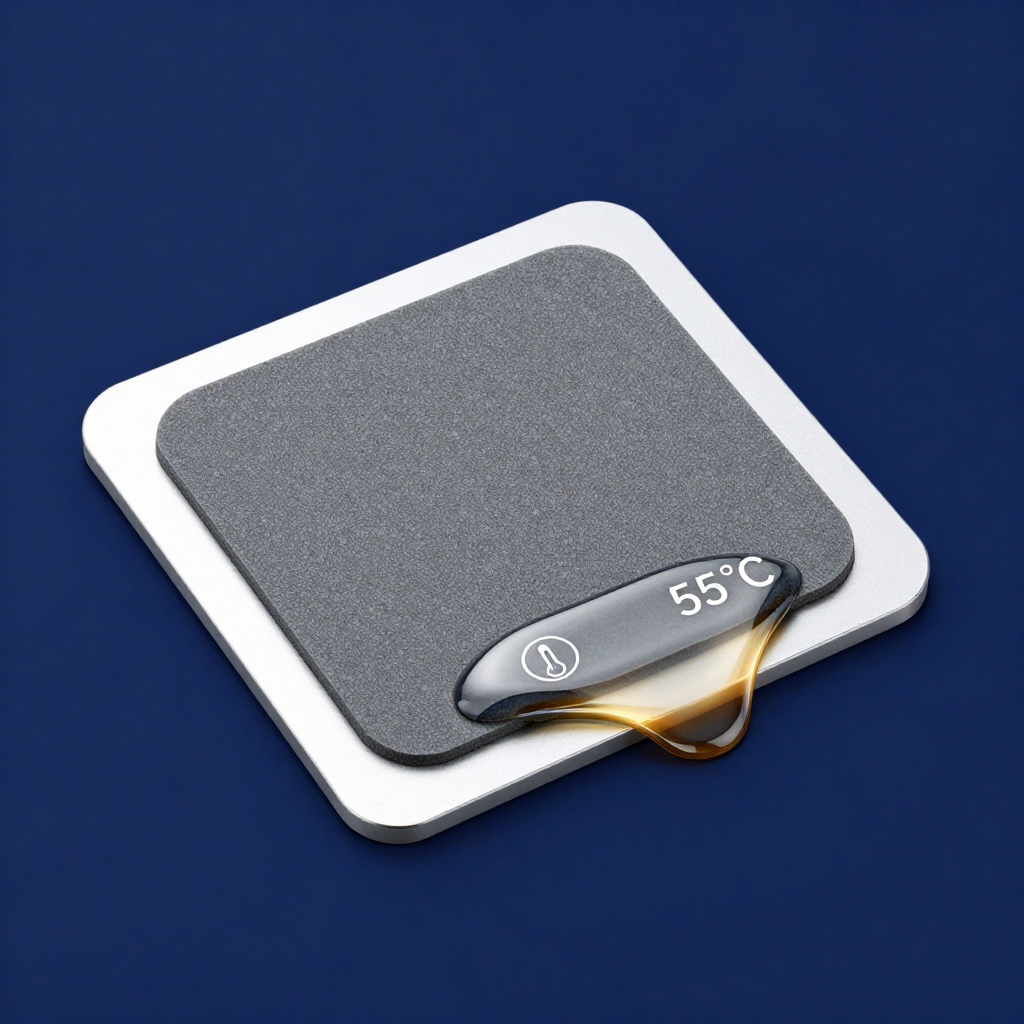
Imagine a Thermal Interface Material that can be a solid in place, yet liquefy and move to a new location on command, perfectly conforming to any surface geometry. This is the potential of ferrofluid-based TIMs—colloidal suspensions of magnetic nanoparticles (e.g., iron oxide) in a carrier liquid (oil, water, or even liquid metal). When subjected to a magnetic field, these fluids form stable structures, enabling unprecedented thermal interface control.
Mechanisms and Advantages:
- Dynamic Conformality & Positioning: A ferrofluid TIM can be precisely positioned and shaped by an external magnetic field. It can fill irregular, changing, or hard-to-reach gaps that solid pads cannot, such as in joints of robotic arms or on non-planar chip surfaces. The field can also move the TIM from a cool, idle component to a newly activated hotspot.
- Enhanced Conduction via Chaining: Under a magnetic field, the nanoparticles align into chains, creating preferential thermal pathways through the fluid, significantly boosting its effective thermal conductivity compared to its disordered state.
- Sealing & Thermal Bridging: A ferrofluid can form a hermetic, liquid seal while simultaneously acting as a thermal bridge, ideal for applications like rotating machinery (e.g., motor shafts, radar antennas) where a solid TIM would fail.
Challenges and Design Considerations:
- Carrier Fluid Limitations: Traditional oil-based ferrofluids have poor intrinsic thermal conductivity. Research focuses on liquid metal (e.g., Galinstan) ferrofluids or nanofluids with high-conductivity nanoparticles to overcome this.
- Long-Term Stability: Preventing nanoparticle agglomeration and settling is critical for reliability.
- System Complexity: Requires integrated electromagnets and control systems, adding cost and design overhead.
This concept is for highly specialized, adaptive systems where thermal needs are dynamic and geometric constraints are extreme. It represents a shift from a static material to a programmable thermal asset, opening possibilities in soft robotics, advanced manufacturing, and aerospace.