Strong yet Releasable: Mimicking Gecko Toes for a Dry-Adhesive TIM with On-Demand Stickiness
The gecko’s ability to climb walls stems from millions of microscopic hairs on its toes that exploit van der Waals forces. This principle can be engineered into a Thermal Interface Material, creating a dry-adhesive TIM that sticks firmly on demand, can be released cleanly without residue, and re-used thousands of times. This solves a niche but critical need: creating reliable thermal contact in non-permanent, serviceable, or frequently reconfigured systems.
How a Gecko-Inspired TIM Works:
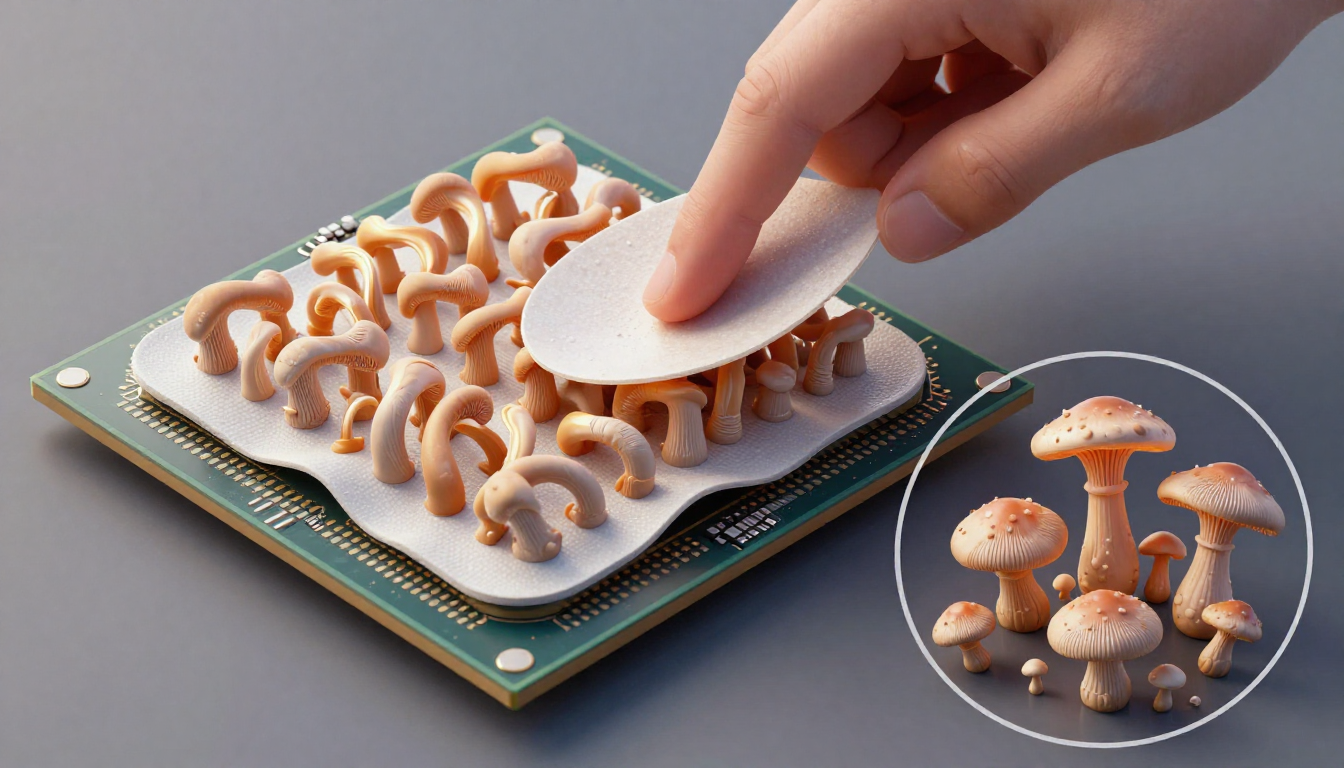
The TIM surface is micro- or nano-fabricated with an array of elastic pillars, often with mushroom-shaped caps. When pressed onto a smooth surface, these pillars conform maximally, creating a large surface area for van der Waals attraction. The adhesion is strong in shear and pull-off directions when loaded correctly, but can be released by peeling at a specific angle, breaking the attraction pillar by pillar without damage.
Advantages for Specific Applications:
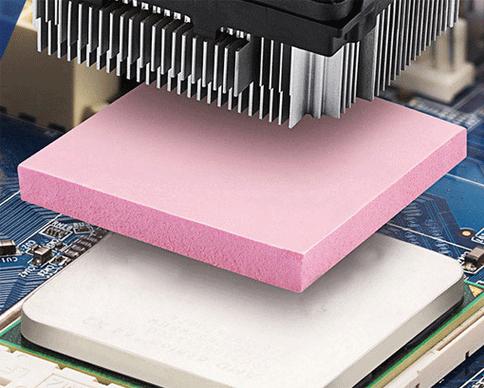
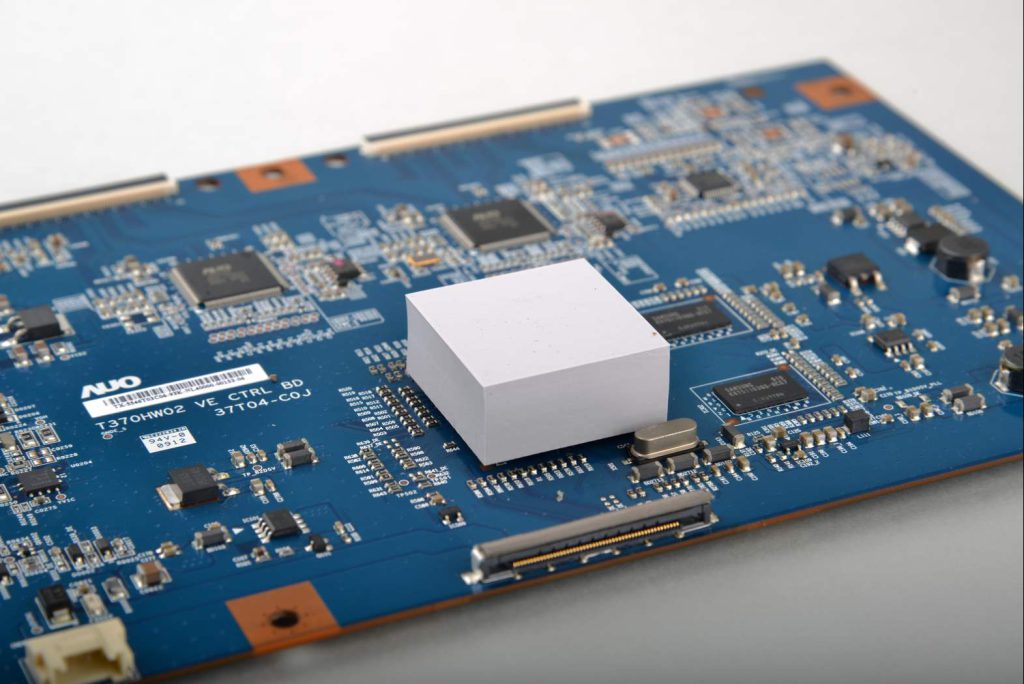
- Test, Burn-in, and Prototyping: A single pad can be used to temporarily attach a heatsink to thousands of different chips or boards during testing, eliminating the cost and mess of thermal tape or grease.
- Serviceable Consumer Electronics: Could allow for heatsinks inside devices to be securely attached yet removable for repair, avoiding clips or screws.
- High-Vibration Environments: The dry adhesion can be very effective under shear forces, potentially holding better than some pressure-sensitive adhesives (PSAs) that creep.
Integrating Thermal Conductivity:
The challenge is making the adhesive structure also thermally conductive. Strategies include:
- Making the Pillars from a Filled Polymer: Infusing the elastomer (e.g., PDMS) with ceramic or metal fillers.
- Coating a Conductive Layer: Depositing a thin metal or graphene coating on the structured surface.
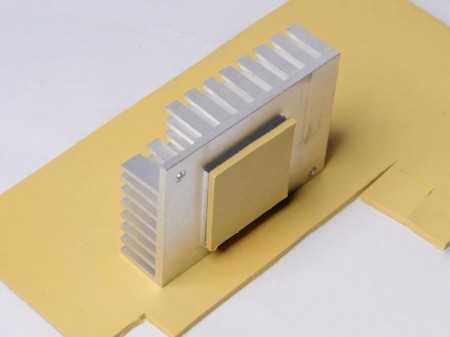
- Using a Conductive Backing: The adhesive nanostructure is on one side of a standard conductive pad.
This bio-inspired approach marries reversible macro-scale mechanics with nanoscale physics to solve a specific set of thermal interface challenges where permanence is a drawback, not a benefit.