The Critical Role of Thermal Interface Materials in Electric Vehicle Battery Longevity
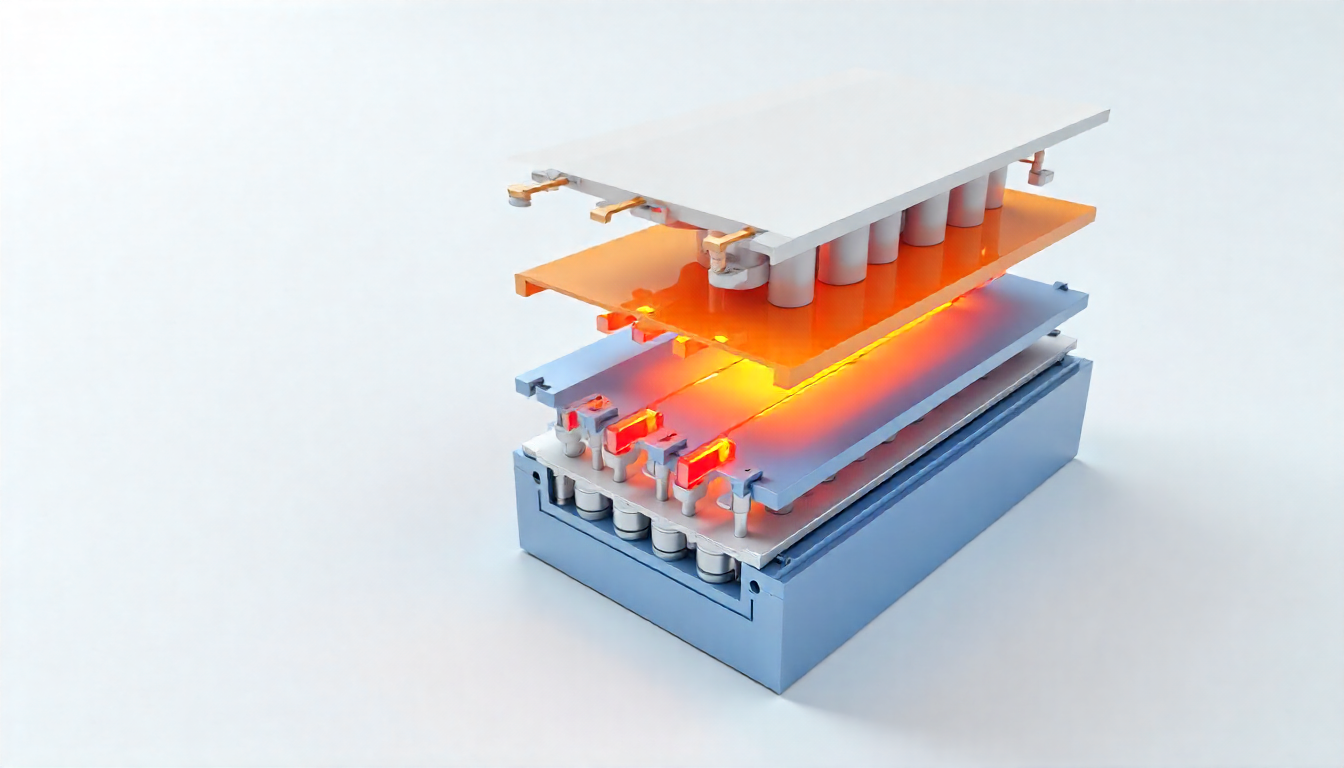
An electric vehicle’s performance and lifespan are governed by the temperature of its battery pack. Keeping thousands of lithium-ion cells within a narrow, optimal range (typically 20-40°C) is the job of a sophisticated cooling system, and at its heart are specialized Thermal Interface Materials (TIMs). These materials are engineered to meet challenges far beyond standard electronics.
The EV TIM Challenge: Scale, Safety, and Stress.
TIMs in a battery pack must:
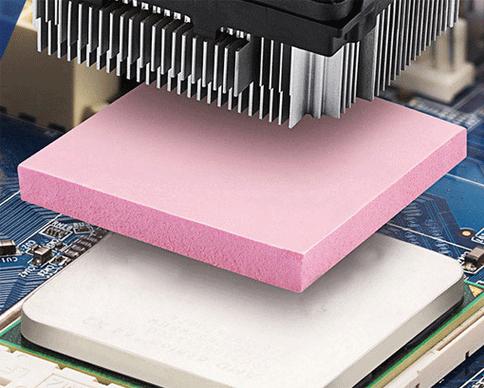
- Transfer Heat Efficiently: Pull heat from cells to liquid cold plates or aluminum cooling fins. This requires consistent, low-thermal-resistance interfaces across massive surface areas.
- Provide Electrical Insulation: Cells operate at hundreds of volts. TIMs must be dielectrically strong to prevent short circuits between cells and the cooling system, often requiring isolation for >1000V.
- Withstand Harsh Conditions: They must perform reliably for 10+ years through extreme temperature cycling (-40°C to 90°C+), constant vibration, and potential exposure to coolant leaks or condensation.
- Manage Compression & Tolerance: Accommodate cell swelling over life and manufacturing tolerances across hundreds of cells. Soft, high-conformability gap fillers or putties are often used.
Solutions for the Battery Pack:
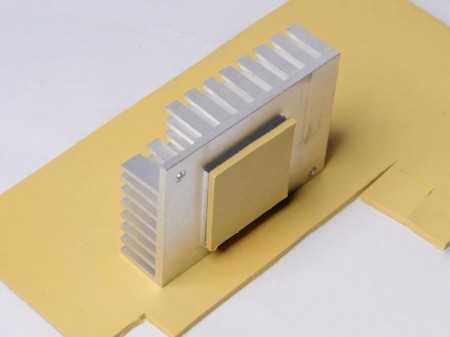
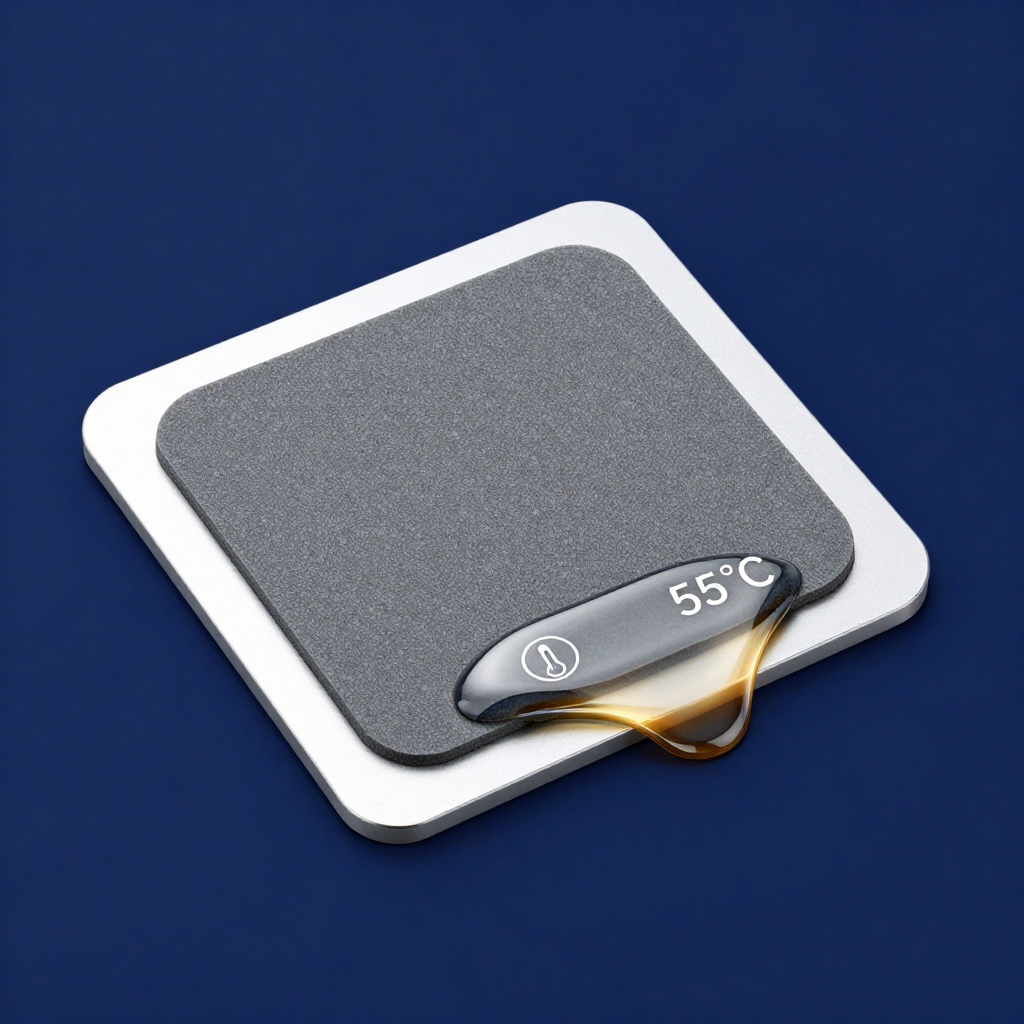
- Cell-to-Cold Plate: Often uses thermally conductive but electrically insulating pads or dispensed gap-filling gels that compensate for surface irregularities.
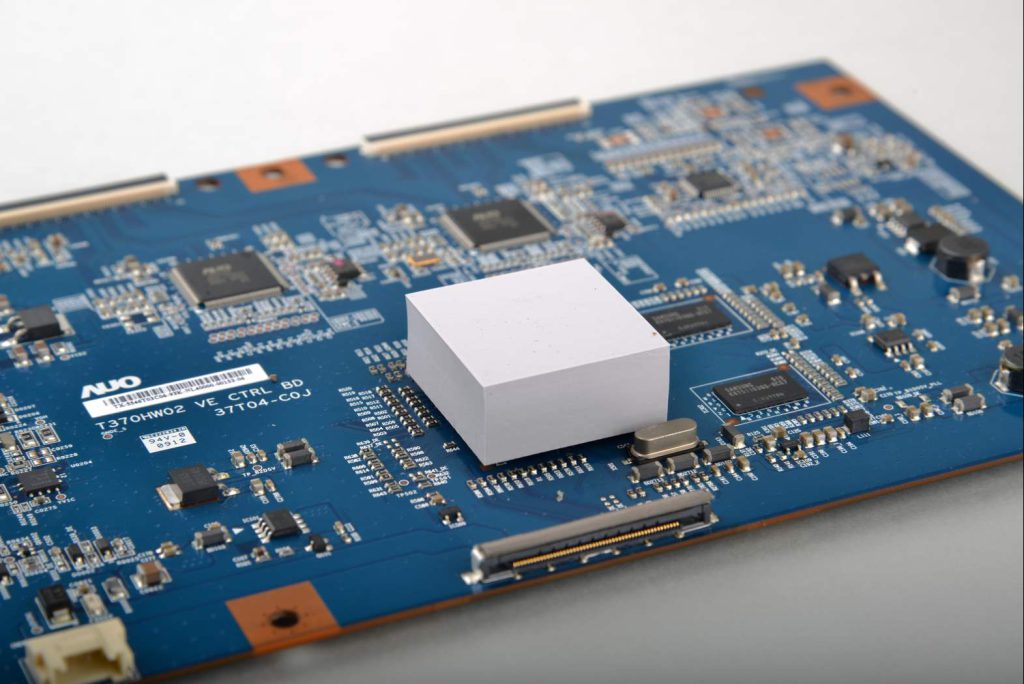
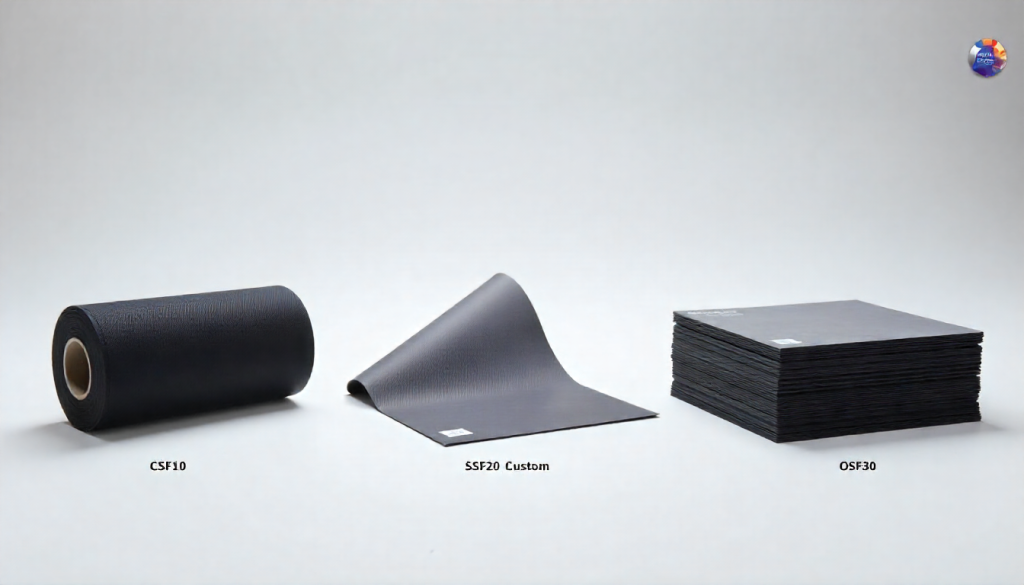
- Cell-to-Cell & Module Isolation: Dielectric gap pads provide both thermal conduction between adjacent cells and crucial electrical insulation.
- Fire Safety: TIMs with high thermal stability and flame-retardant properties (UL 94 V-0) are mandatory to delay thermal runaway propagation.
The Direct Impact on the Driver:
Superior TIM design enables faster DC fast charging (by efficiently removing heat), increased range (by maintaining optimal cell efficiency), and longer pack life (by minimizing degradation from temperature extremes). It’s a critical, if invisible, component in the EV revolution.
Meeting these demands requires TIMs that go beyond commercial specs to meet stringent automotive qualifications like AEC-Q200. Our materials are engineered for this mission-critical environment.