Keeping Cool in the Air: Thermal Management for High-Performance FPV Drone Electronics
In FPV (First-Person View) drones, every gram matters, and electronics are packed into a minimal “stack.” Components like ESCs (Electronic Speed Controllers), Video Transmitters (VTX), and Flight Controllers generate significant heat during aggressive flying. Without proper thermal management, thermal throttling cuts power, and premature failure can lead to a crash. The solution must be ultra-lightweight and space-efficient.
Heat Challenges in a Drone Stack:
- No Active Cooling: No space for fans. Cooling relies on conduction to the frame and minimal airflow from props.
- Carbon Fiber Frames: While strong and light, carbon fiber is a poor thermal conductor, unlike aluminum. Heat gets trapped on the PCB.
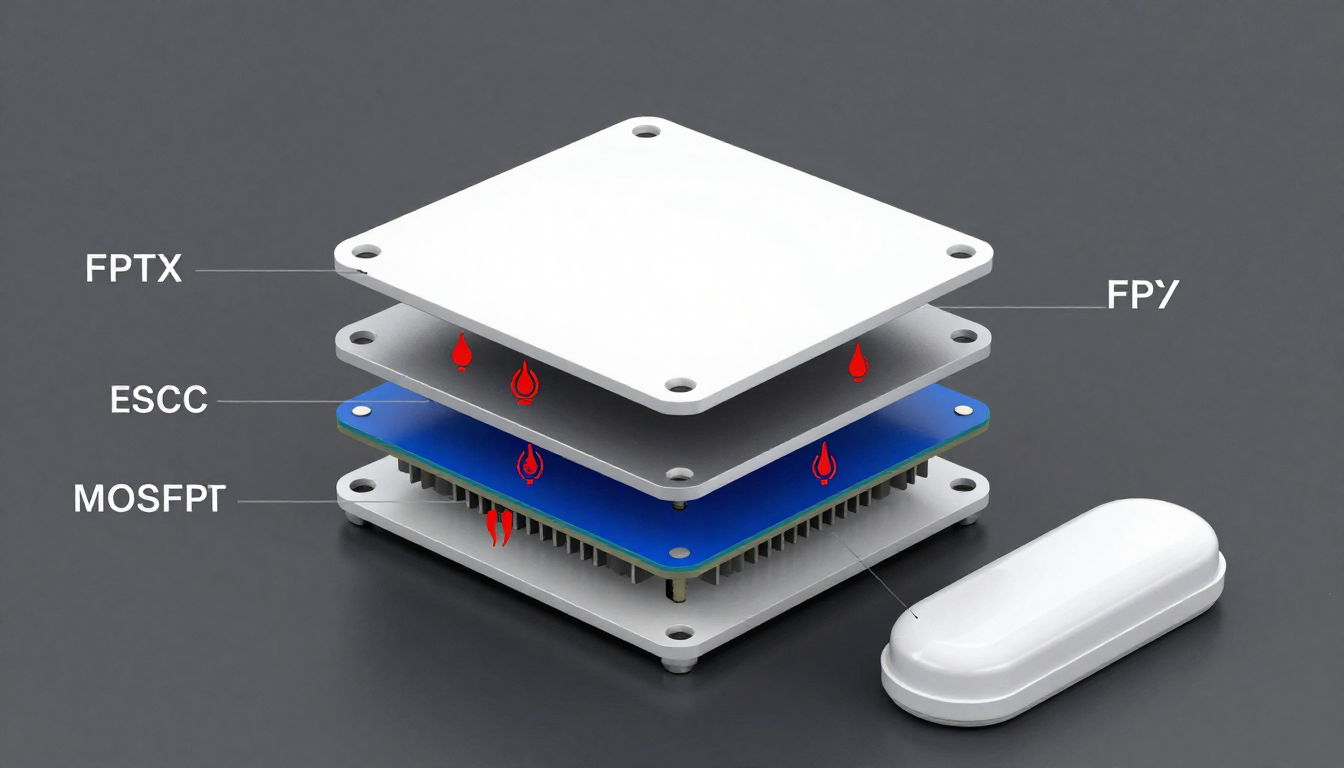
- Stacked Design: Components are sandwiched, trapping heat between boards.
TIM Strategies for Drone Builds:
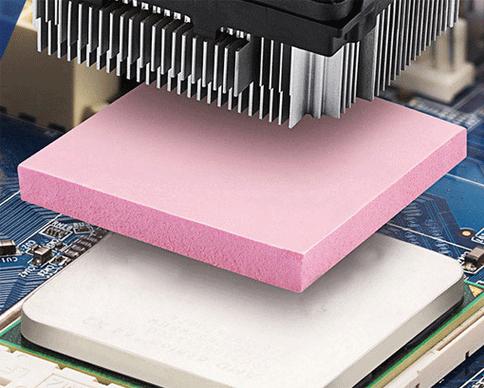
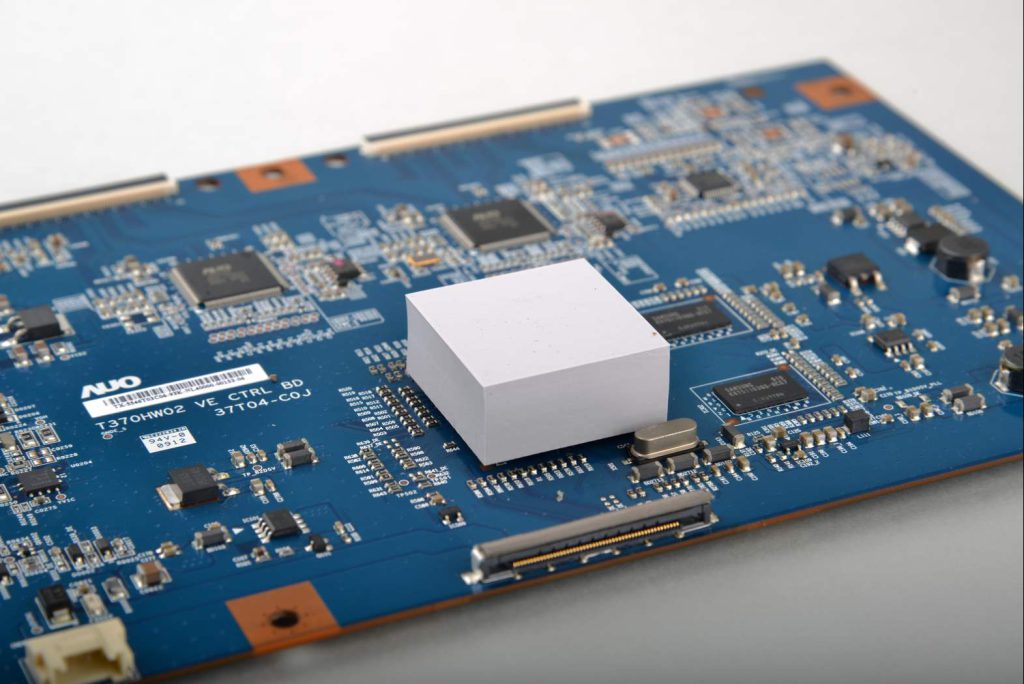
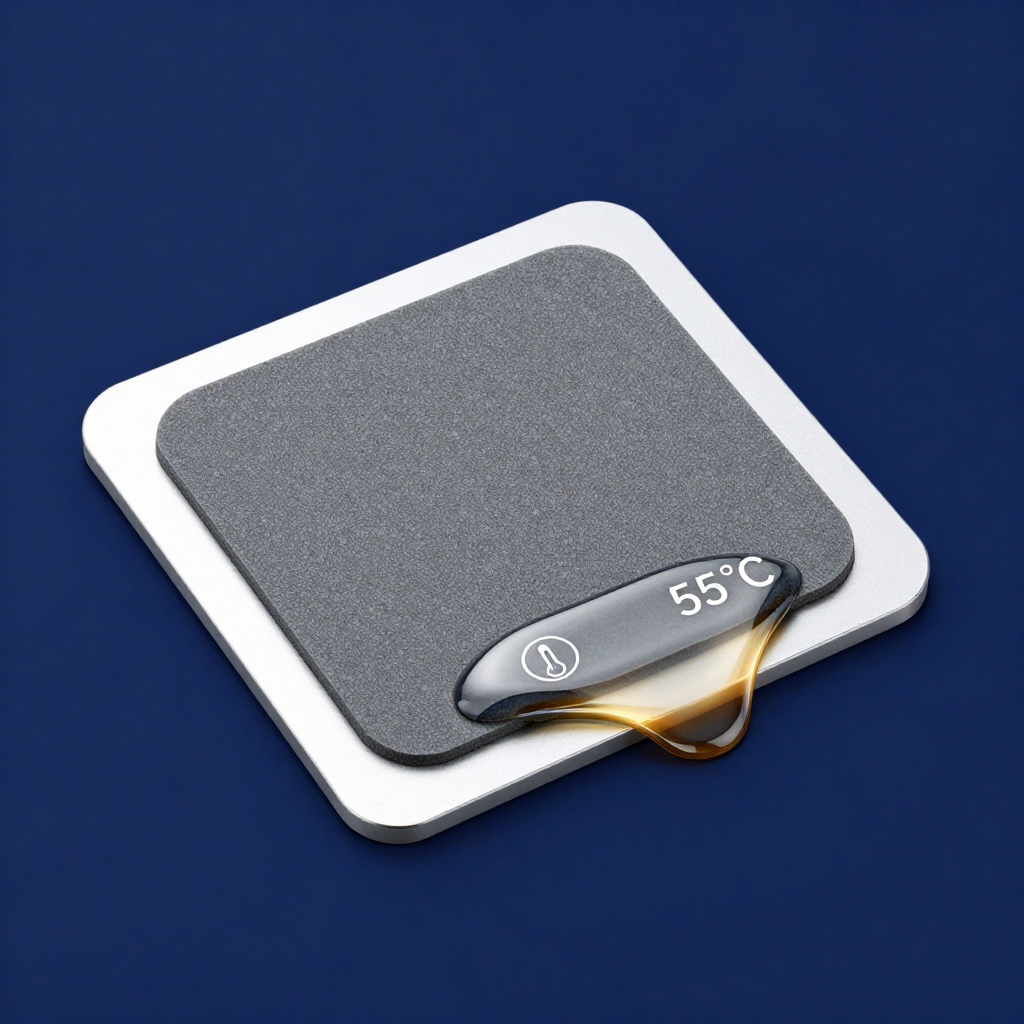
- Between Stacked Boards: Use very thin (0.5mm), soft thermal pads between the Flight Controller and ESC board. This transfers heat from the ESC MOSFETs into the flight controller’s PCB, which acts as a temporary heat spreader. Ensure the pad is non-conductive.
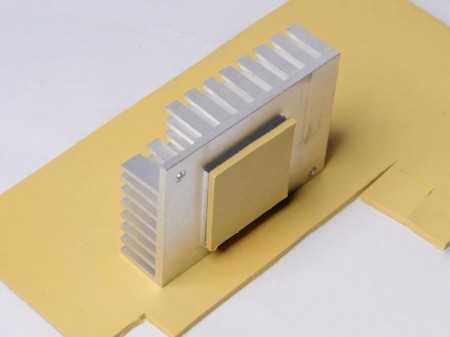
- To the Frame: For components like a high-power VTX, attach it to a dedicated aluminum heatsink or directly to a metal standoff using a thin thermal pad. The standoff then conducts heat to the carbon fiber frame or arms.
- Component-Level: Some builders use tiny dabs of thermal adhesive or high-performance paste on individual MOSFETs or regulators to bridge them to a small metal shield or the board’s ground plane.
Material Selection Criteria for Drones:
- Weight: Every gram counts. Use the thinnest effective pad.
- Conformability: Surfaces are rarely perfectly flat. A soft pad ensures contact.
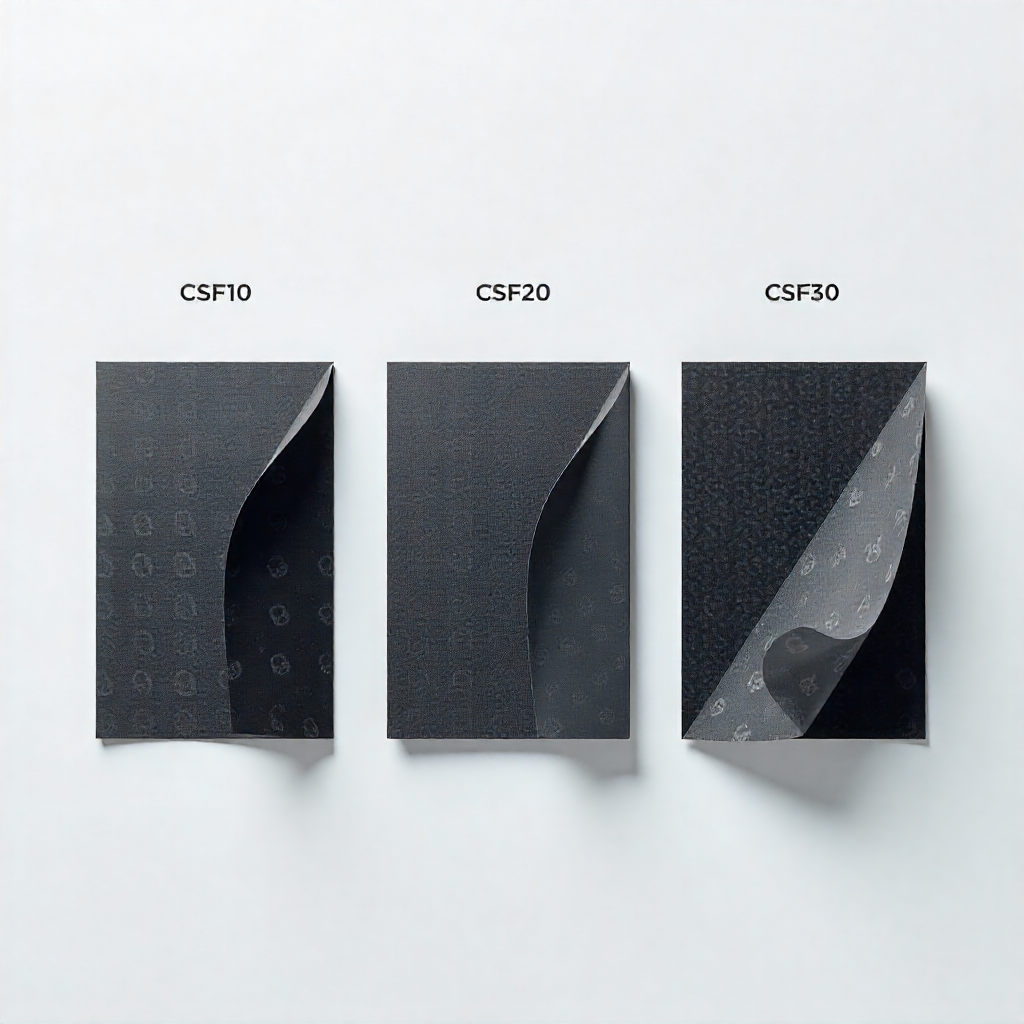
- Adhesion: Pads with slight tack help keep components in place during crashes and vibration.
Pro-Tip: Airflow is King.
Even with good TIMs, strategic placement for prop-wash airflow is vital. Position the hottest components (VTX, ESC) where they will get direct airflow in flight. The TIM’s job is to get the heat from the silicon to the component’s surface; the air must then carry it away.
Effective thermal management is what separates a reliable, high-performance drone from one that fails mid-flight. It’s a critical, yet often overlooked, aspect of the build.