Gentle But Effective: Selecting TIMs for Low-Pressure and Fragile Assemblies
Not all electronics can withstand the high clamping pressure of a traditional heatsink. Fragile packages (e.g., certain BGAs, ceramic modules), optical elements, or assemblies using spring clips or low-torque screws require Thermal Interface Materials (TIMs) that achieve low thermal resistance with minimal z-axis force. This demands a shift from standard material selection.
The Physics of Low-Pressure Interfaces:
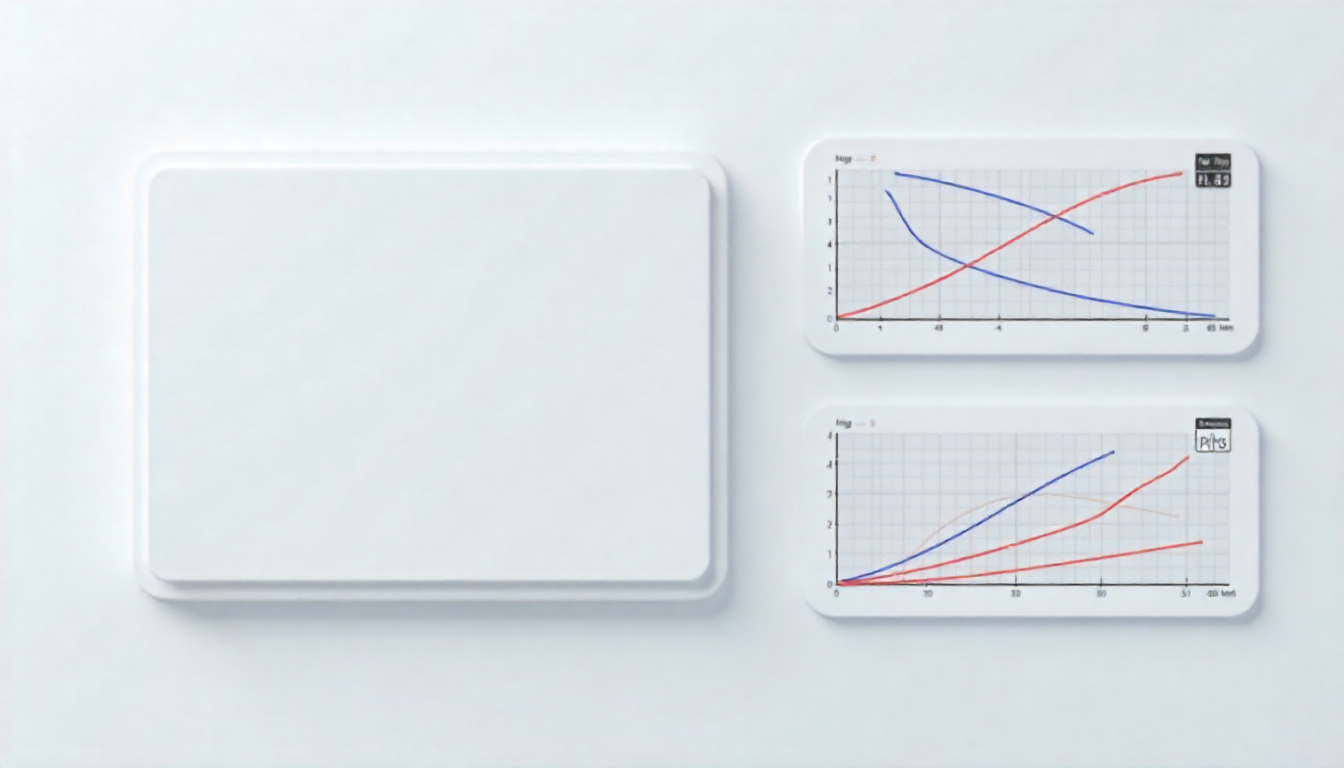
Thermal contact resistance is highly non-linear with pressure. At low pressure, microscopic surface peaks barely touch, leaving insulating air gaps. The TIM’s job is to be soft enough to deform and fill these gaps under minimal force, creating a larger effective contact area.
Material Solutions for Delicate Applications:
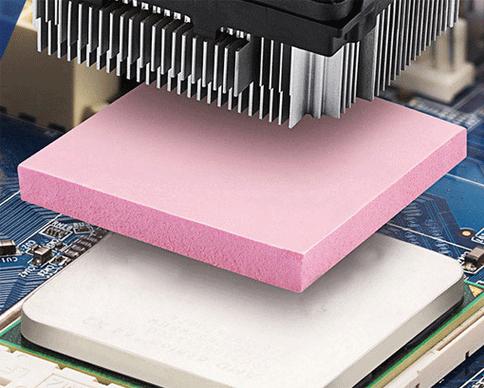
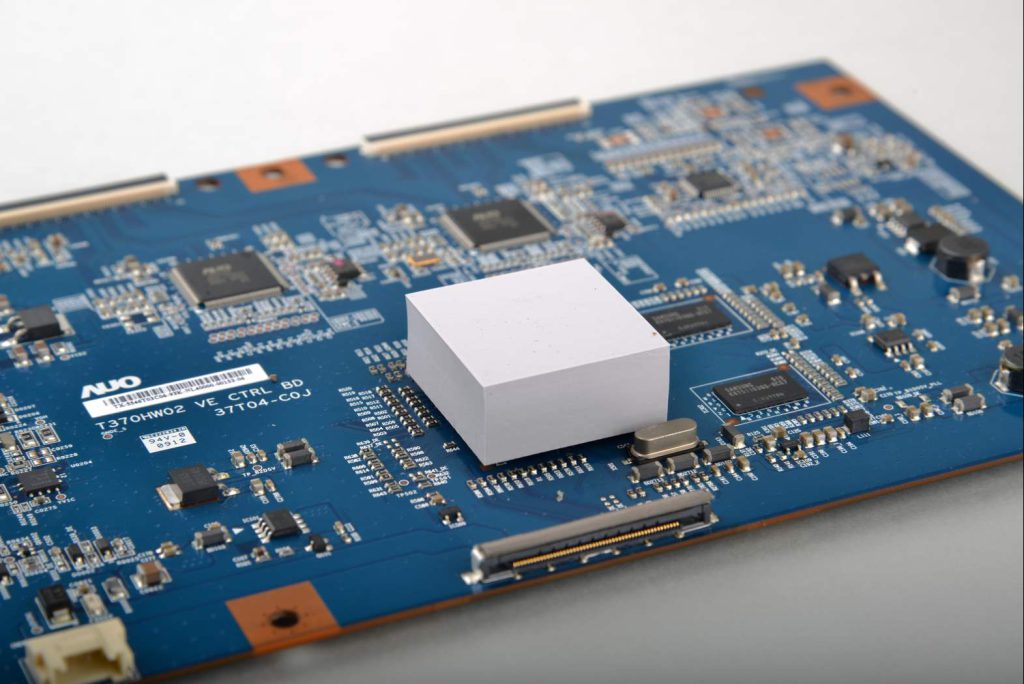
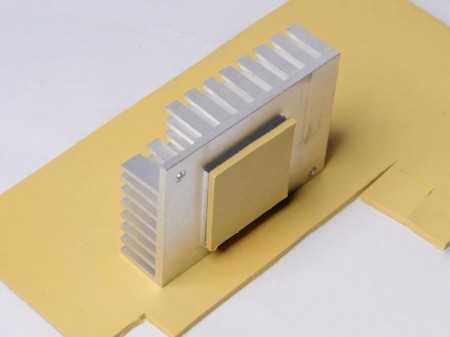
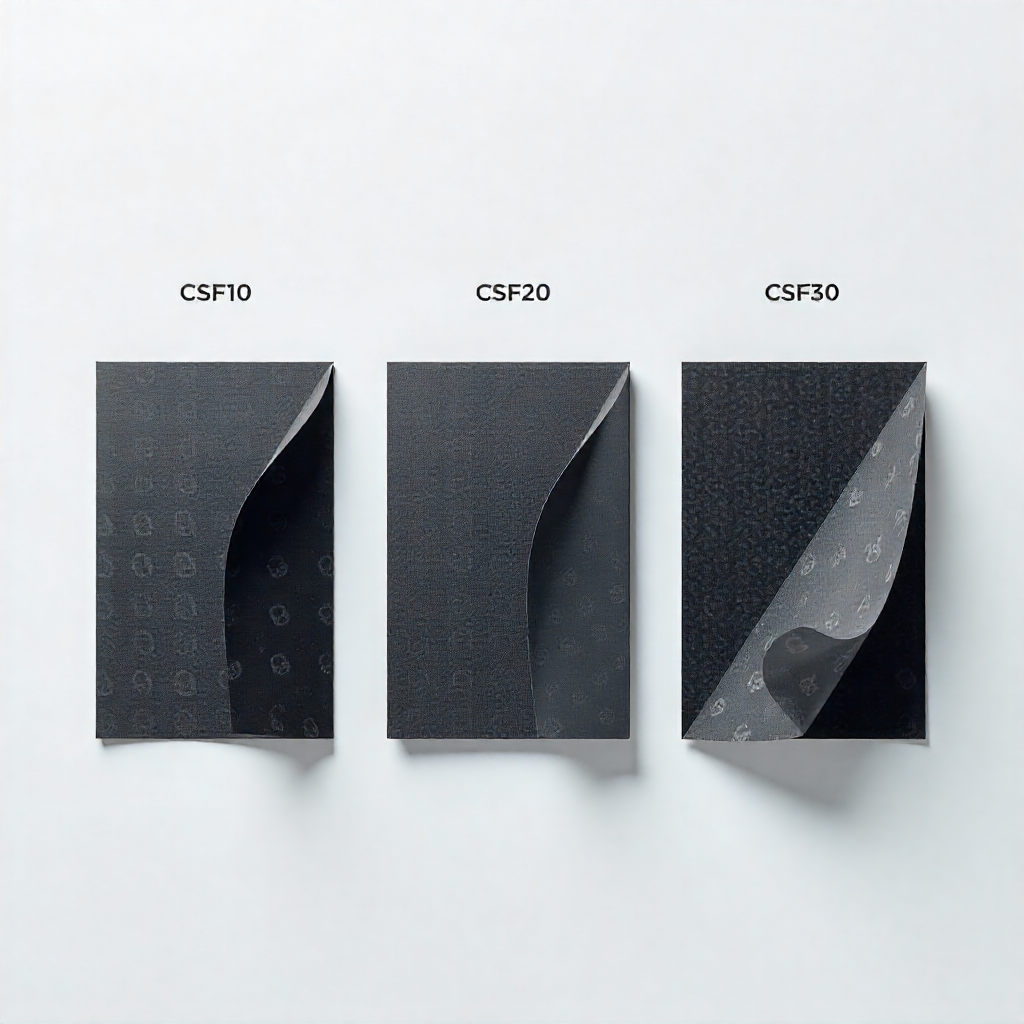
- Ultra-Soft Gap Pads (Low Shore Hardness): Look for pads with Shore OO or very low Shore 00 ratings (e.g., 00-20). These are gel-like and flow easily under light pressure. They often have lower bulk conductivity but excel at minimizing contact resistance in low-force scenarios.
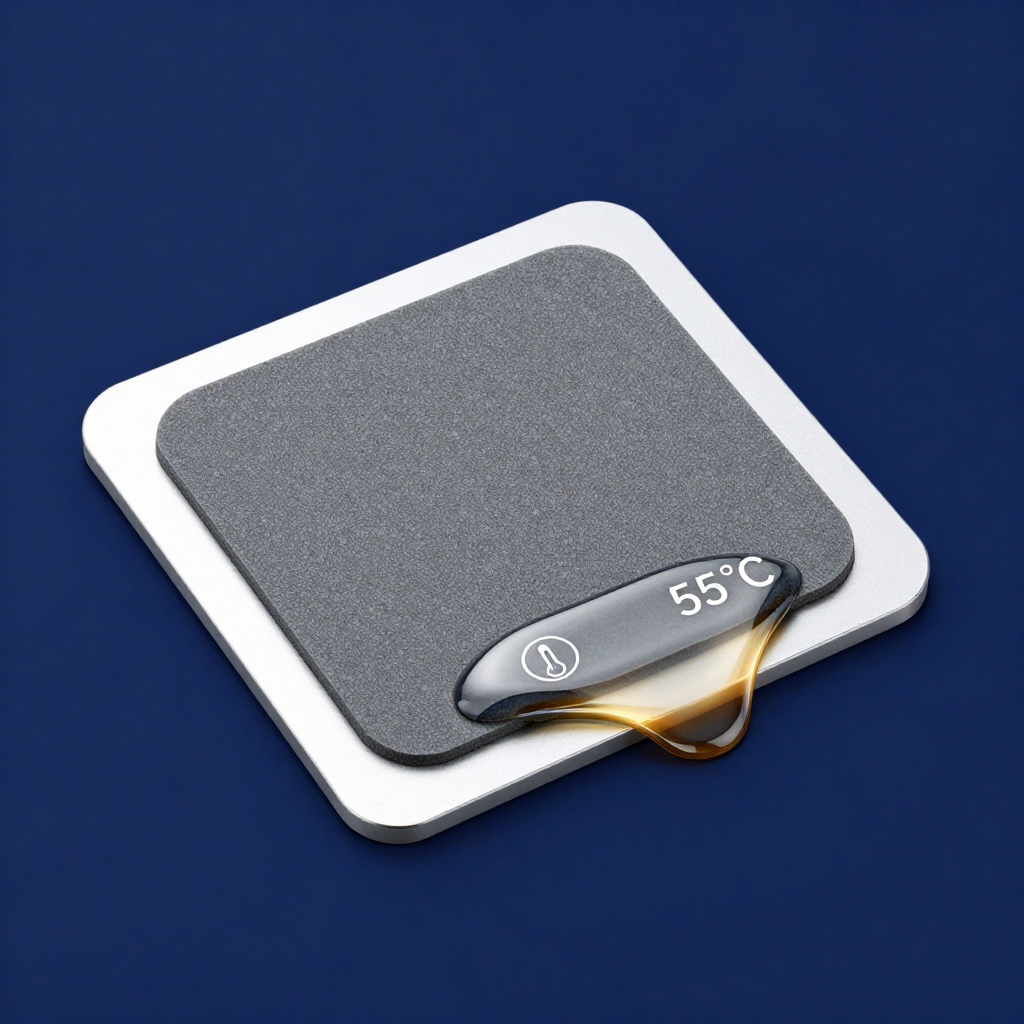
- Phase Change Materials with Low Activation Force: Some phase change pads are formulated to become highly conformable at low temperatures and pressures, “melting” into imperfections.
- Dispensable Gels & Putties: These can be applied to completely cover a surface before assembly, ensuring no air gaps are present even if the mating surface only makes partial contact. They require careful volume control.
- Thermally Conductive Adhesives (TCAs): For very delicate parts, a TCA can provide both mechanical bonding and thermal conduction without the need for separate clamping force. However, rework is nearly impossible.
Design and Testing Considerations:
- Characterize Your Pressure: Know the actual pressure (in psi or MPa) your assembly applies. This is critical for selecting from a supplier’s performance-vs-pressure data.
- Prioritize Thickness Control: In low-pressure designs, a pad that is even slightly too thick will prevent any contact. Precision in thickness is paramount.
- Test for “Cold” Performance: Ensure the TIM performs adequately before any phase change occurs, as the initial power-on period is often high stress.
Success in low-pressure cooling hinges on selecting a TIM whose mechanical compliance is matched to the application’s force budget. The right soft material can often outperform a harder, higher-conductivity pad in these constrained scenarios.