The Ultimate Heat Spreader: How Pyrolytic Graphite Sheets Solve Smartphone Cooling
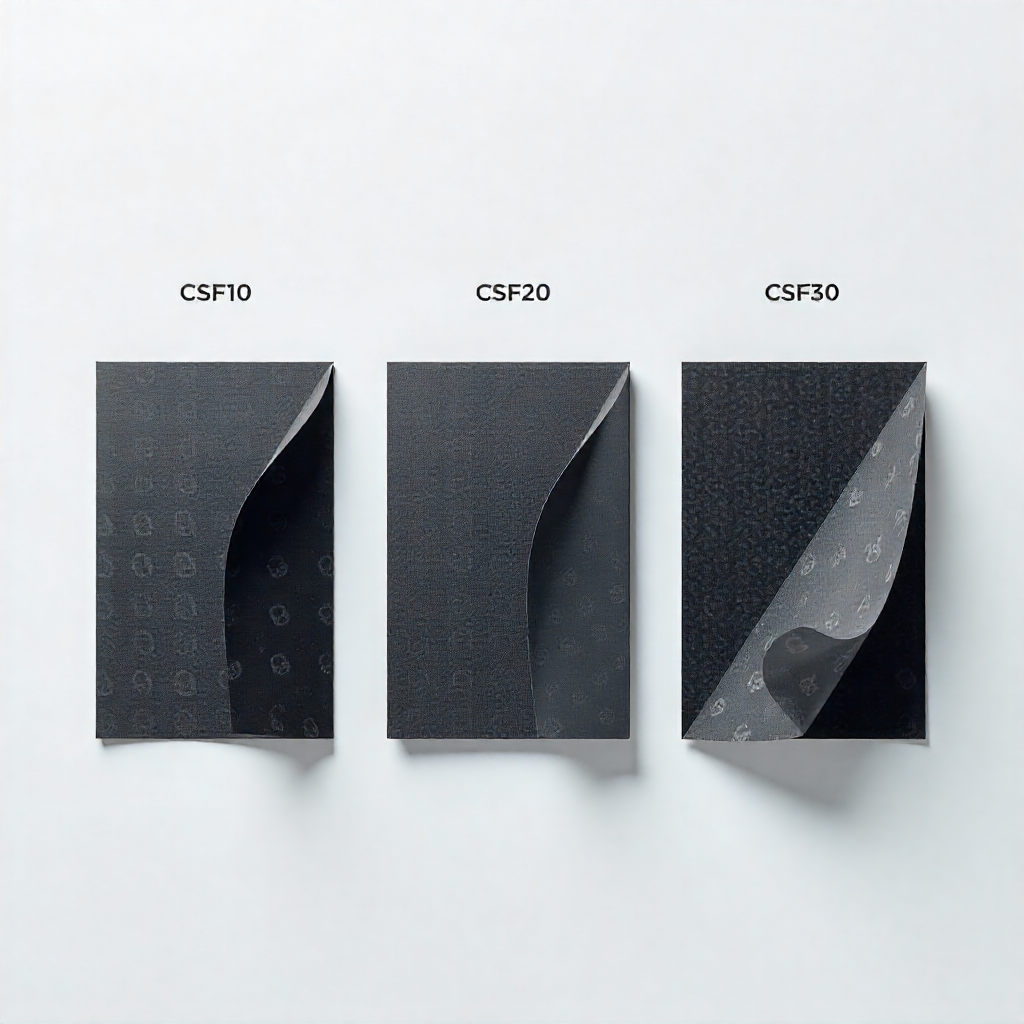
In the race to make smartphones and tablets ever thinner and more powerful, a specialized material has become the secret weapon for thermal engineers: the Pyrolytic Graphite Sheet (PGS). PGS is a highly oriented, pure graphite film, typically just 10-100 microns thick, with an extraordinary in-plane thermal conductivity (up to 1900 W/m·K) that rivals copper, but at one-fourth the weight and with the flexibility of paper. It’s not a traditional TIM, but a heat spreader that is integrated directly into the thermal stack to dissipate hotspots.
How PGS Works in a Smartphone:
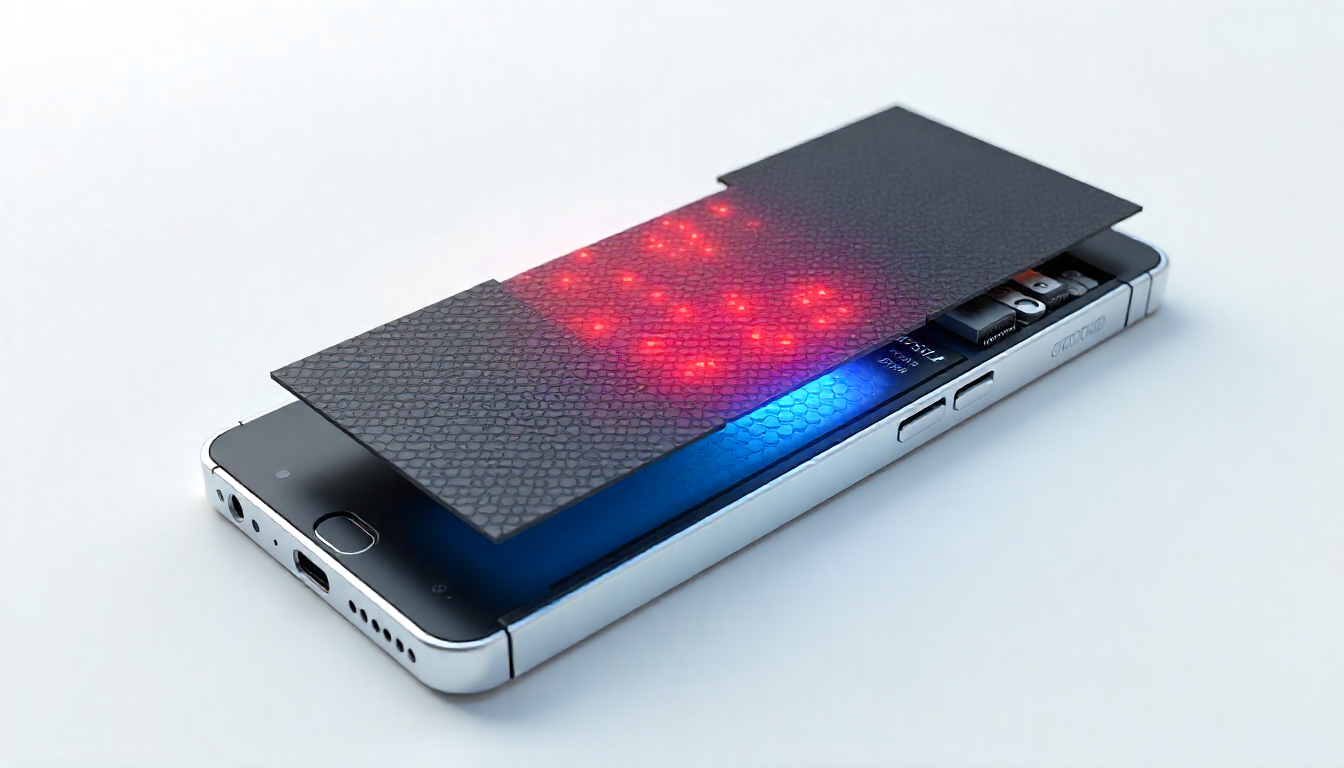
- Spreading the Hotspot: The System-on-Chip (SoC) is the primary heat source. A PGS sheet is placed directly on or very near the SoC package. Its phenomenal in-plane conductivity rapidly spreads the concentrated heat laterally across the entire area of the sheet, effectively creating a larger, cooler “thermal footprint.”
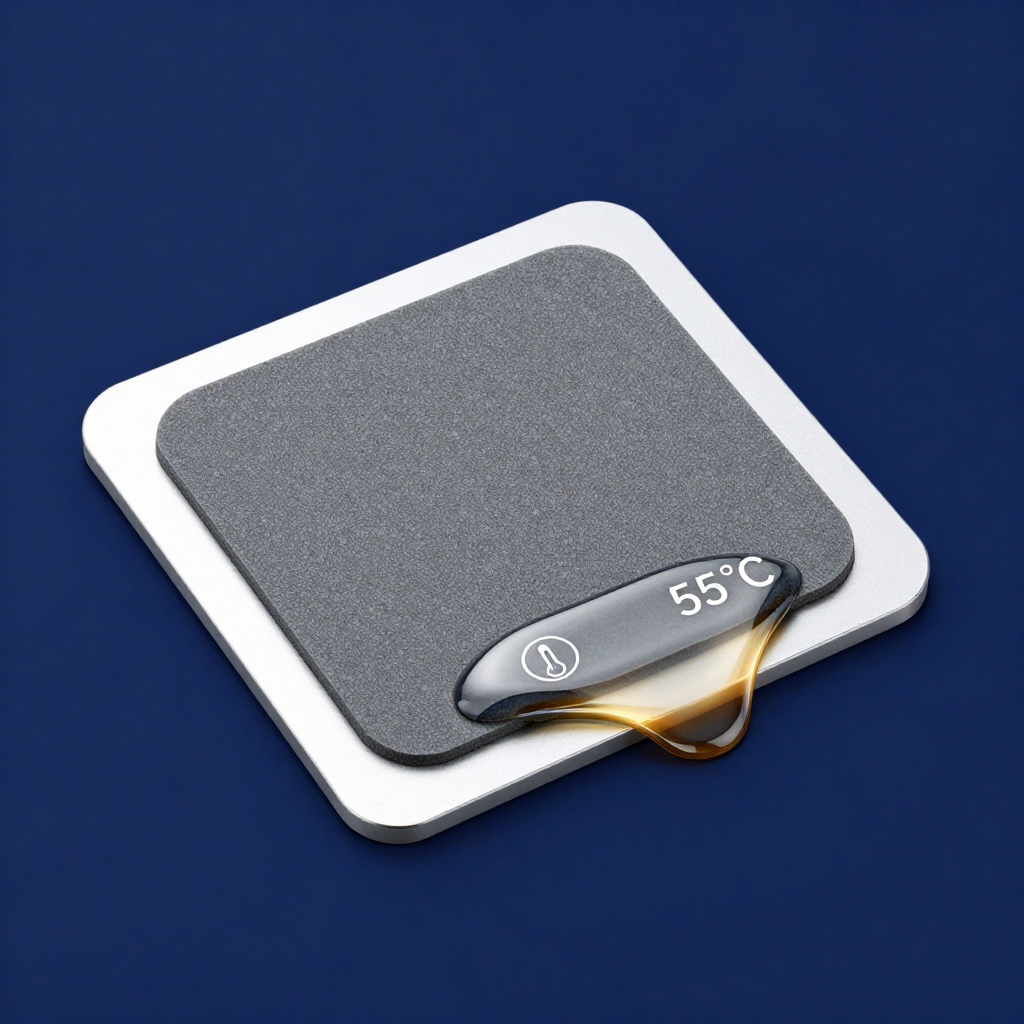
- Connecting to the Chassis: The spread heat is then conducted to the phone’s mid-frame or aluminum chassis, which acts as the final heatsink. This often involves a thin, soft thermal pad or grease between the PGS and the metal.
- Isolation and Flexibility: PGS is electrically conductive, so it must be used with insulating layers. Its flexibility allows it to be bent around batteries, cameras, and other internal components, making optimal use of constrained space.
Key Advantages for Compact Electronics:
- Extreme Thinness: Enables cooling solutions in devices less than 8mm thick.
- Light Weight: Adds negligible mass.
- High Efficiency: More effective than a thicker piece of copper for lateral spreading in a single plane.
Design Considerations:
- Attachment: PGS is fragile and requires careful handling. It’s typically laminated with a polyimide film for strength and attached using a thermally conductive adhesive.
- Orientation is Everything: Its conductivity is highly anisotropic (excellent in-plane, poor through-plane). It must be oriented so that heat flows across its plane.
- System Integration: PGS is one part of a system that may also include graphite films, vapor chambers, and thermal gels.
PGS has enabled the thermal performance necessary for today’s high-power mobile processors. It represents a shift from simply conducting heat away to actively orchestrating its lateral dissipation within the device’s ultra-thin architecture.