The Dual Mandate: Finding TIMs That Are Electrically Insulating Yet Thermally Conductive
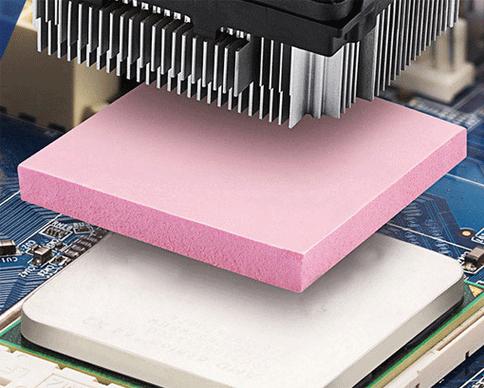
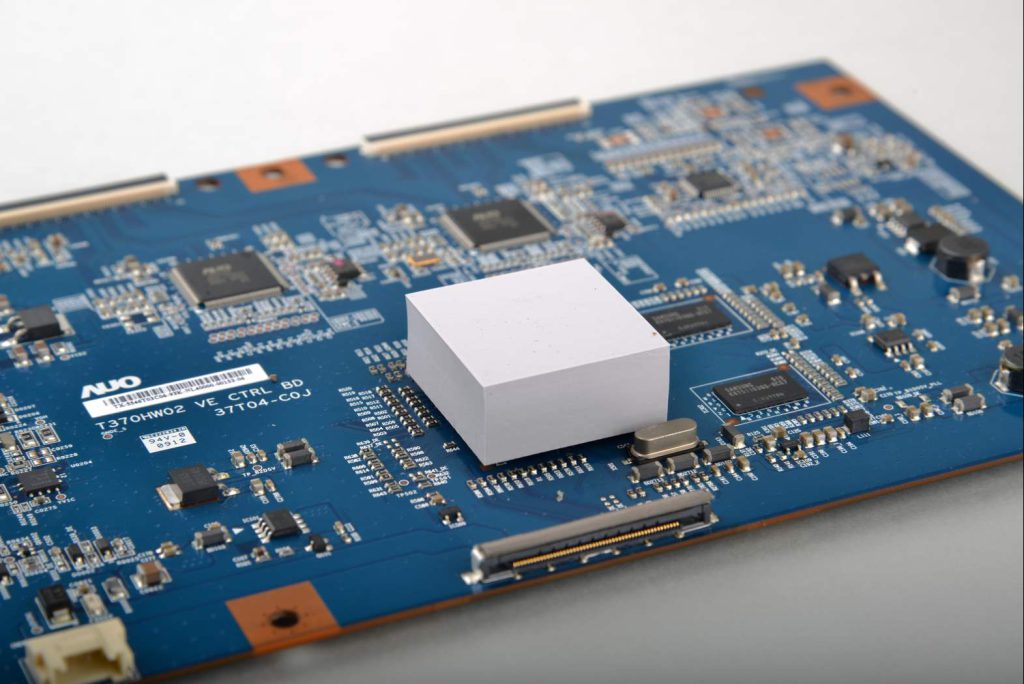
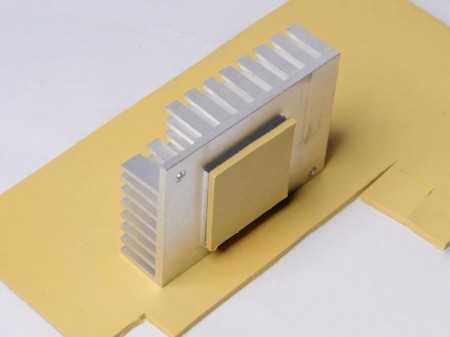
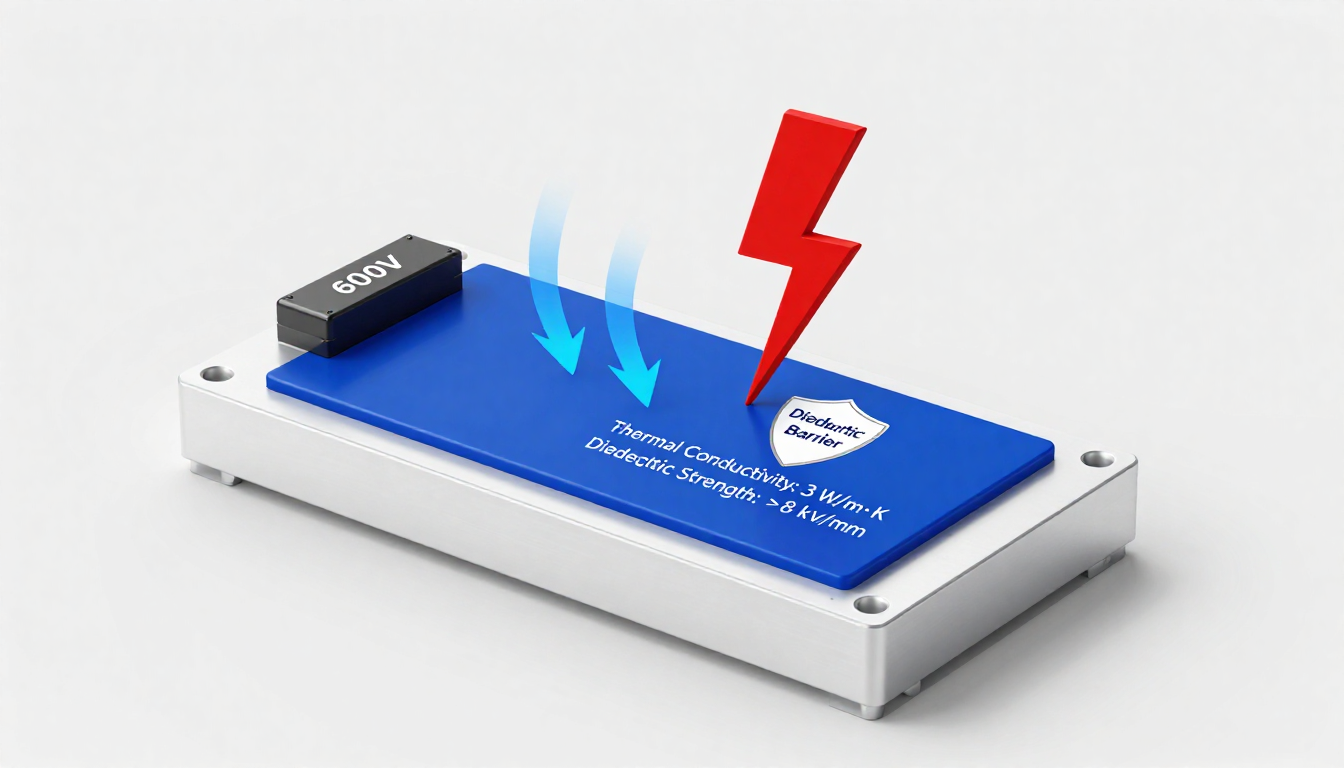
One of the most frequent and critical requests in thermal management is for a material that conducts heat like a metal but insulates like plastic. This dielectric Thermal Interface Material (TIM) is essential wherever a heat-generating component operates at a different electrical potential than its heatsink or adjacent parts. Failure here doesn’t just mean overheating; it means short circuits, arcing, and safety hazards.
The Physics of the Trade-off:
Thermal conductivity in non-metals is carried by phonons (lattice vibrations), while electrical conductivity is carried by free electrons. It’s possible to have one without the other. The key is using electrically insulating fillers that have high phonon transport capability. The polymer matrix (silicone, polyolefin, etc.) is also an insulator.
High-Performance Dielectric Fillers:
- Boron Nitride (BN): The premier choice. Hexagonal BN has a thermal conductivity comparable to metals in its plane and is an excellent electrical insulator. It’s expensive but used where performance is critical (e.g., RF power amplifiers).
- Aluminum Oxide (Alumina, Al2O3): The most common, cost-effective filler. Provides good insulation and moderate thermal conductivity (forms with 3-6 W/m·K are typical).
- Aluminum Nitride (AlN): Offers higher thermal conductivity than alumina (up to 150+ W/m·K for pure crystals) and is also an insulator. Used in high-end packages but is moisture-sensitive.
- Beryllium Oxide (BeO): Has exceptional conductivity but is toxic in powder form, limiting its use to encapsulated, safe forms.
Specifying for Safety:
When selecting a dielectric TIM, look beyond just thermal conductivity:
- Dielectric Strength (kV/mm): The maximum electric field it can withstand without breaking down. For mains-powered equipment, a minimum is often required (e.g., >5 kV/mm).
- Volume Resistivity (Ω·cm): Should be very high (e.g., >10^12 Ω·cm).
- Comparative Tracking Index (CTI): Measures resistance to forming a conductive path on the surface under contamination and voltage.
Applications:
- Power Supply & Inverter Modules: Isolating IGBTs/MOSFETs from a grounded, liquid-cooled cold plate.
- LED Lighting: Isolating the metal-core PCB from the fixture housing.
- Automotive Electronics: Cooling 48V or high-voltage components.
A high-quality dielectric TIM is an insurance policy against catastrophic electrical failure. It allows designers to safely leverage the cooling potential of large metal chassis and heatsinks without creating a shock hazard.