Flying in the Freeze: Ensuring TIM Performance for Drone Operations in Sub-Zero Climates
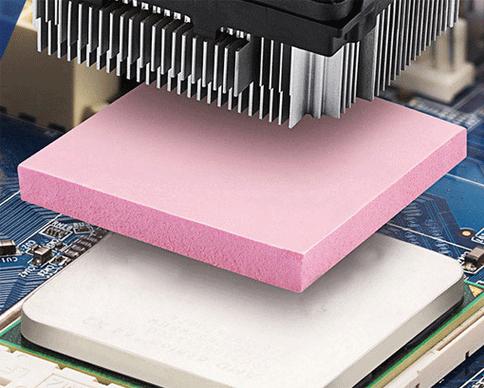
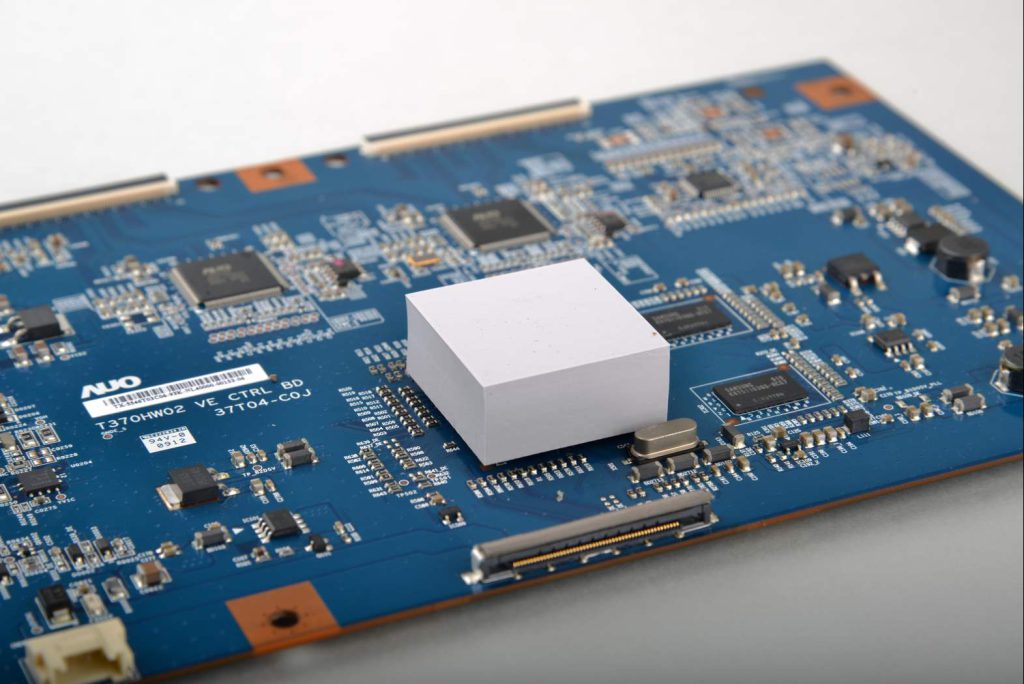
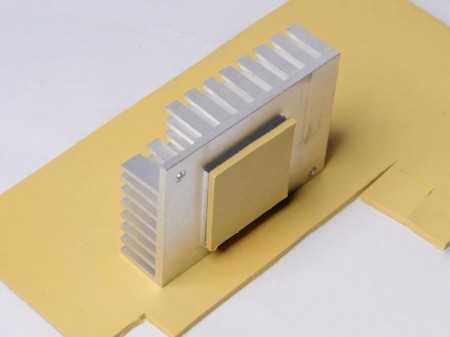
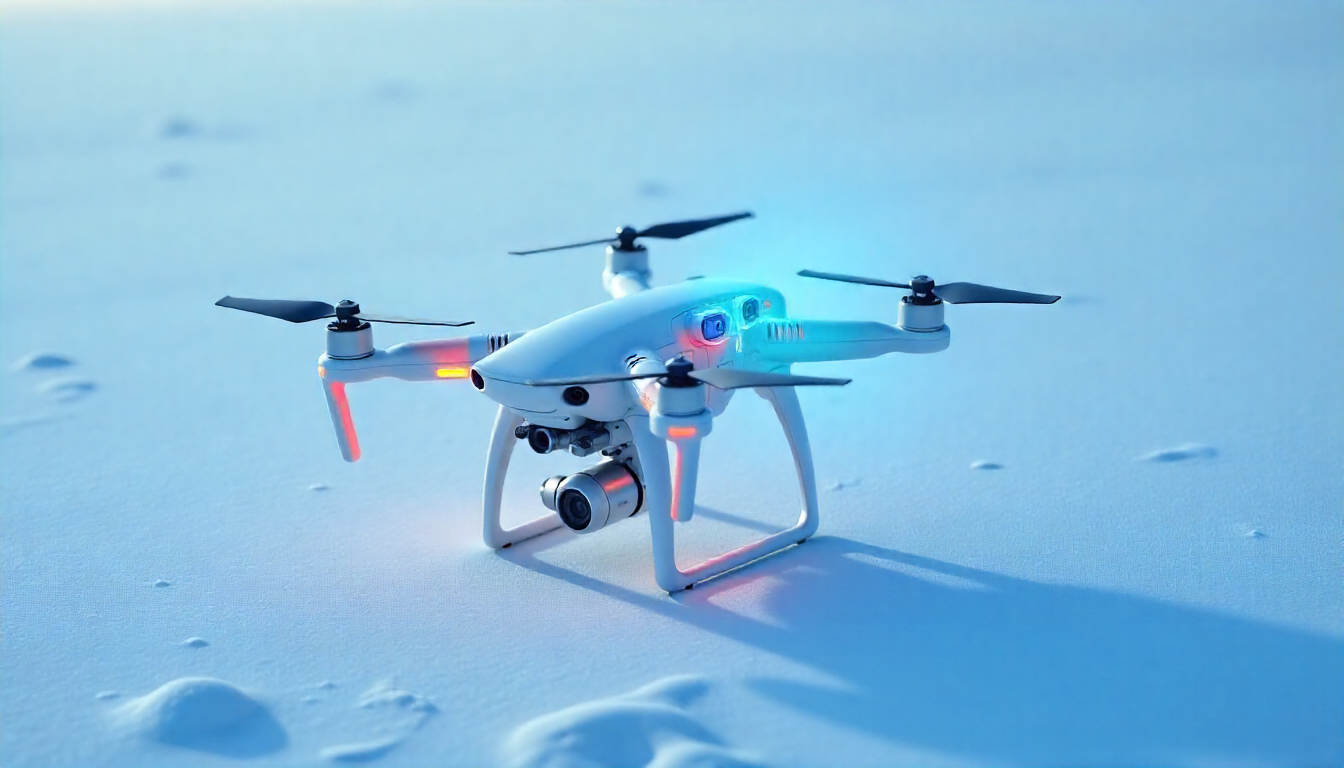
Deploying drones in extreme cold presents a paradox: electronics need cooling, but the ambient environment is already far below their minimum operating temperature. The real thermal challenge becomes retaining operational heat and ensuring the Thermal Interface Materials (TIMs) themselves don’t become brittle, crack, or lose adhesion, causing critical thermal interfaces to fail mid-flight. TIMs for cold-weather drones must be selected for low-temperature flexibility and thermal insulation properties, not just conductivity.
The Cold-Weather TIM Failure Modes:
- Embrittlement & Cracking: Standard silicone pads and greases can harden and crack below -30°C, losing conformability and creating insulating air gaps.
- Adhesive Failure: Pressure-sensitive adhesives (PSAs) lose tack. Pads can literally fall off during vibration if not mechanically clamped.
- Thermal Shock: Rapid heat-up from a cold-soaked state (e.g., -20°C to +60°C in minutes) can cause delamination.
Strategies for Reliable Cold-Operation:
- Material Selection: Choose TIMs specifically rated for low-temperature service (e.g., -55°C or lower). These often use specialized polyolefin or acrylate bases instead of standard silicones. Look for data on low-temperature flexibility and tear strength.
- The Insulation Paradox: For battery packs and some electronics, the goal is to slow heat loss. Here, aerogel composites or low-density, closed-cell foam TIMs can be used. They provide enough thermal coupling to spread heat within the component while insulating it from the frigid external environment.
- Integrated Active Heating: For critical components like flight controllers, use a thin, flexible heating element bonded with a thermally conductive adhesive (TCA) to the component. The TCA spreads the heat evenly, preventing hotspots. The entire assembly is then insulated.
- Mechanical Over Clamping: Rely on screws or clamps for retention, not adhesive tack. Use pads with good compression set recovery at low temperatures.
Pre-Flight and Design Considerations:
- Cold Soak Management: Design enclosures to minimize cold air ingress when powered off.
- Gradual Power-On: Implement power sequencing to allow components and their TIMs to warm up gradually from internal heat before applying full load.
For polar or high-altitude drones, the TIM strategy flips from maximizing heat rejection to intelligently managing heat retention and distribution, using materials engineered to survive the cold’s physical grasp.