The Quiet Conductor: Using TIMs for Combined Thermal Management and Acoustic Noise Reduction
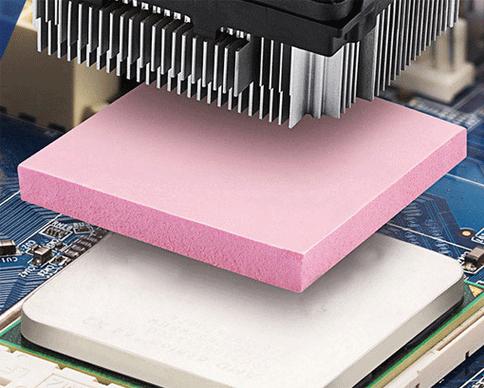
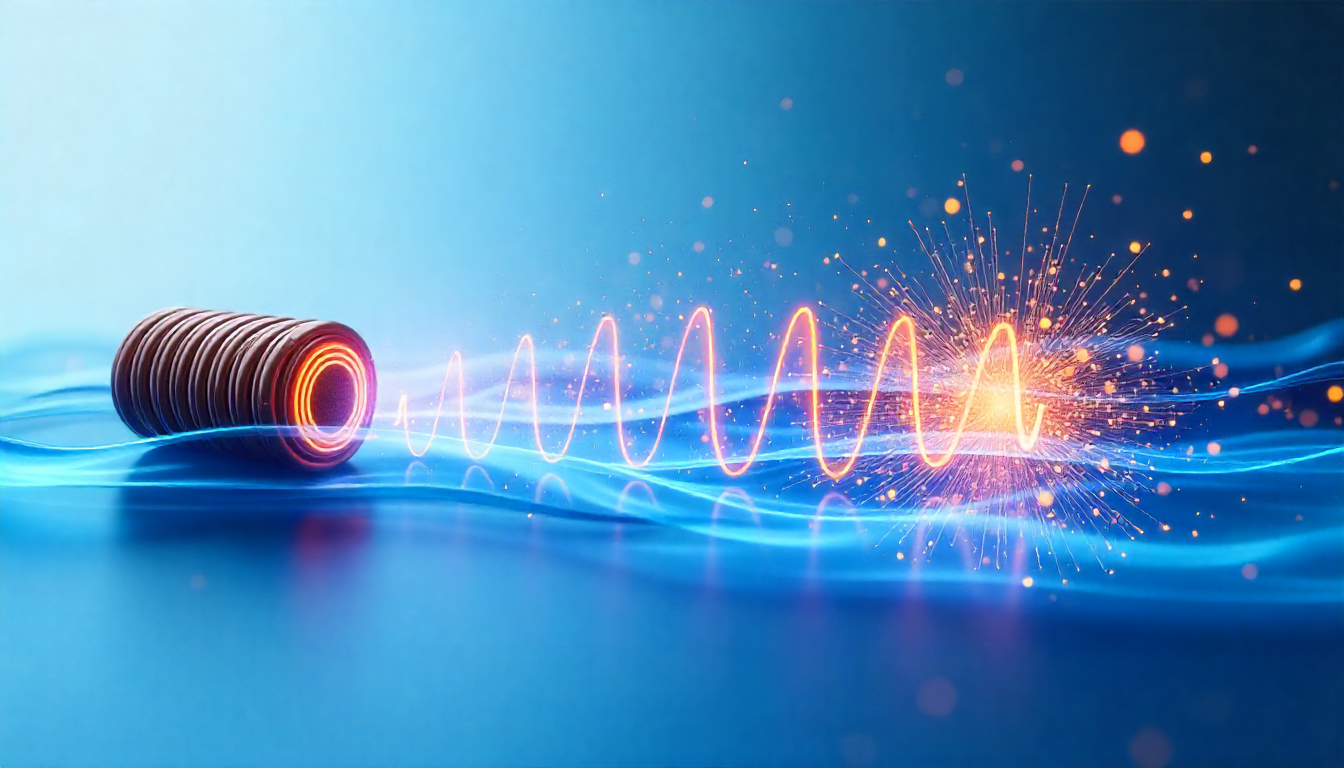
In pursuit of silent operation, engineers battle not just fan noise, but component-generated acoustic noise: the high-pitched whine of switching inductors, the buzz of transformers, or the resonant hum of a heatsink. Traditional Thermal Interface Materials (TIMs) are selected for thermal resistance, but their viscoelastic properties also determine how much vibrational energy they transmit or absorb. By selecting TIMs as acoustic dampers, you can tackle thermal and noise problems with a single material layer.
The Physics of TIM as a Damper:
Vibrational energy causes components and their attached heatsinks to act like speakers. A TIM in the interface acts as a constrained layer damper. When it has the right viscoelastic properties (a balance of elastic and viscous behavior), it converts the mechanical vibrational energy into a tiny amount of heat within the material itself, preventing it from radiating as sound.
Selecting TIMs for Acoustic Performance:
- Look Beyond Conductivity: Key parameters include Loss Tangent (tan δ) and Storage/Loss Modulus. A higher loss tangent in the relevant frequency range (often 100-2000 Hz for audible noise) indicates better damping.
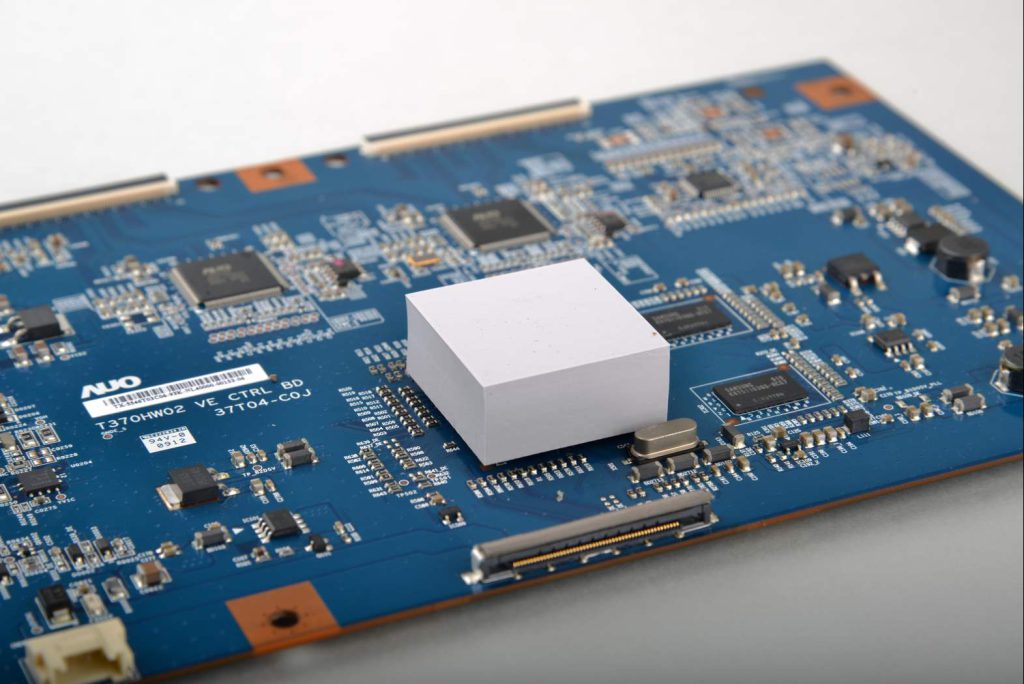
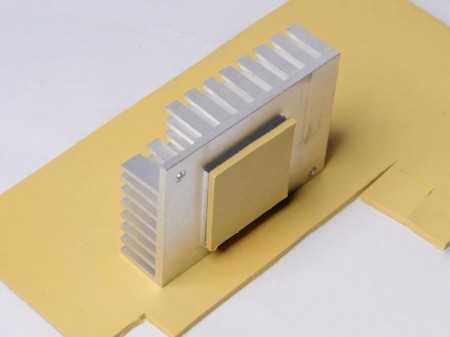
- Soft, Compliant Gap Fillers: These are often excellent dampers because they can shear and deform easily, dissipating energy. A soft gap filler between a vibrating power supply board and the chassis can be more effective than hard mounting.
- Constrained Layer Designs: For severe resonant issues, a multi-layer stack is used: a constraining metal sheet, a thin, high-damping viscoelastic TIM layer, and then the component. This is highly effective at targeted frequencies.
Applications:
- High-End Audio & DACs: Preventing micro-vibrations from affecting sensitive clock circuits or being picked up by internal components.
- Silent PC/Gaming Rig: Damping coil whine from GPU/PSU inductors and preventing heatsink resonance.
- Automotive Electronics: Reducing audible noise from infotainment or ADAS computers in the cabin.
- External Hard Drives: Damping the seek noise of the drive mechanism.
Testing: This requires an acoustic chamber and accelerometers to measure vibration transmission. Work with TIM suppliers who can provide damping property data or samples for acoustic testing.
By viewing TIMs through an acoustic lens, you can design systems that are not only cool but also perceptibly quieter, enhancing the user experience in applications where silence is golden.