Heat Dissipation Challenges in AI Servers: Advanced Thermal Pad Solutions for GPUs and CPUs
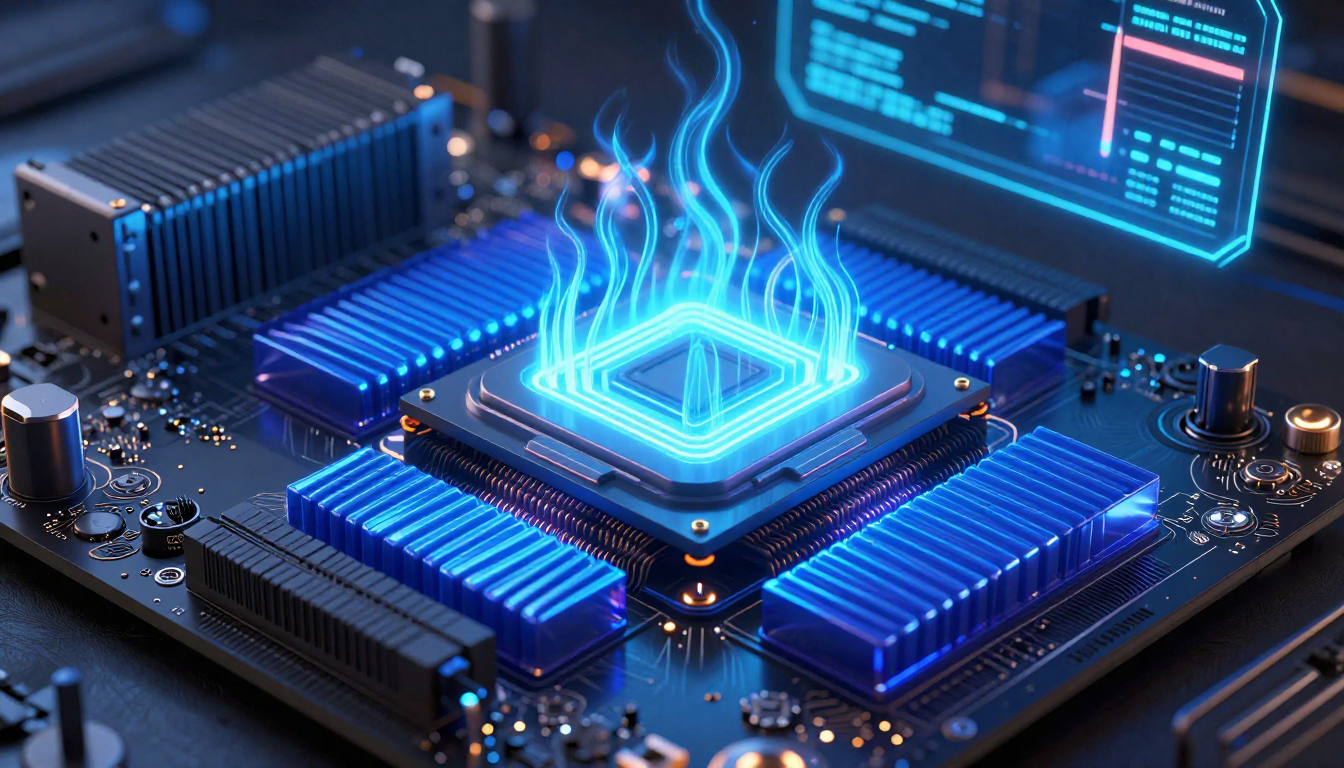
In the era of artificial intelligence and high-performance computing (HPC), traditional cooling methods are hitting their limits. AI server thermal management faces unprecedented challenges due to the immense heat generated by densely packed NVIDIA GPU and AMD CPU arrays. This isn’t just about peak heat; it’s about sustained thermal load in data centers, which can lead to GPU throttling and performance loss if not managed correctly.
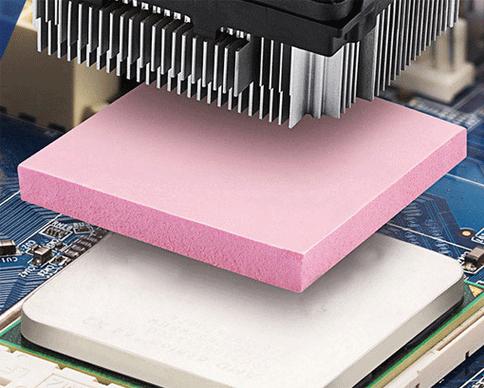
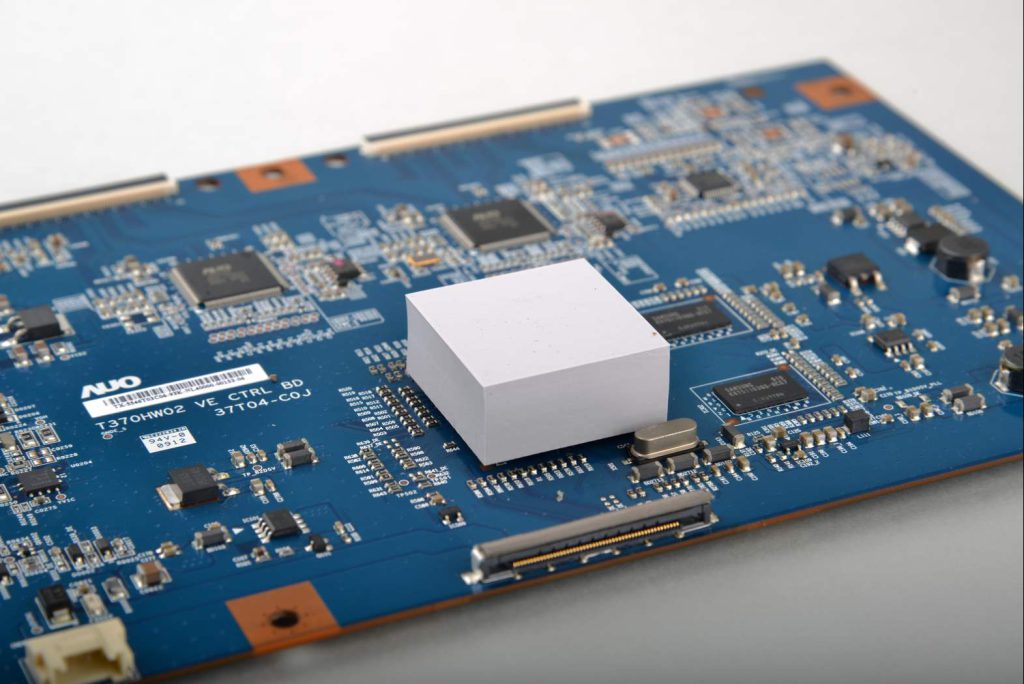
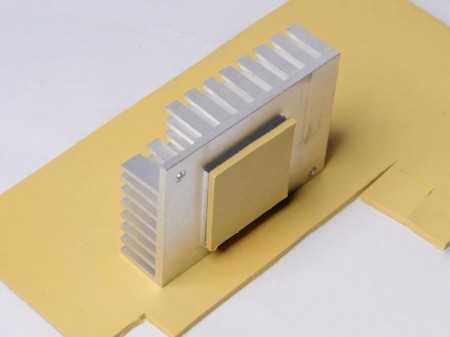
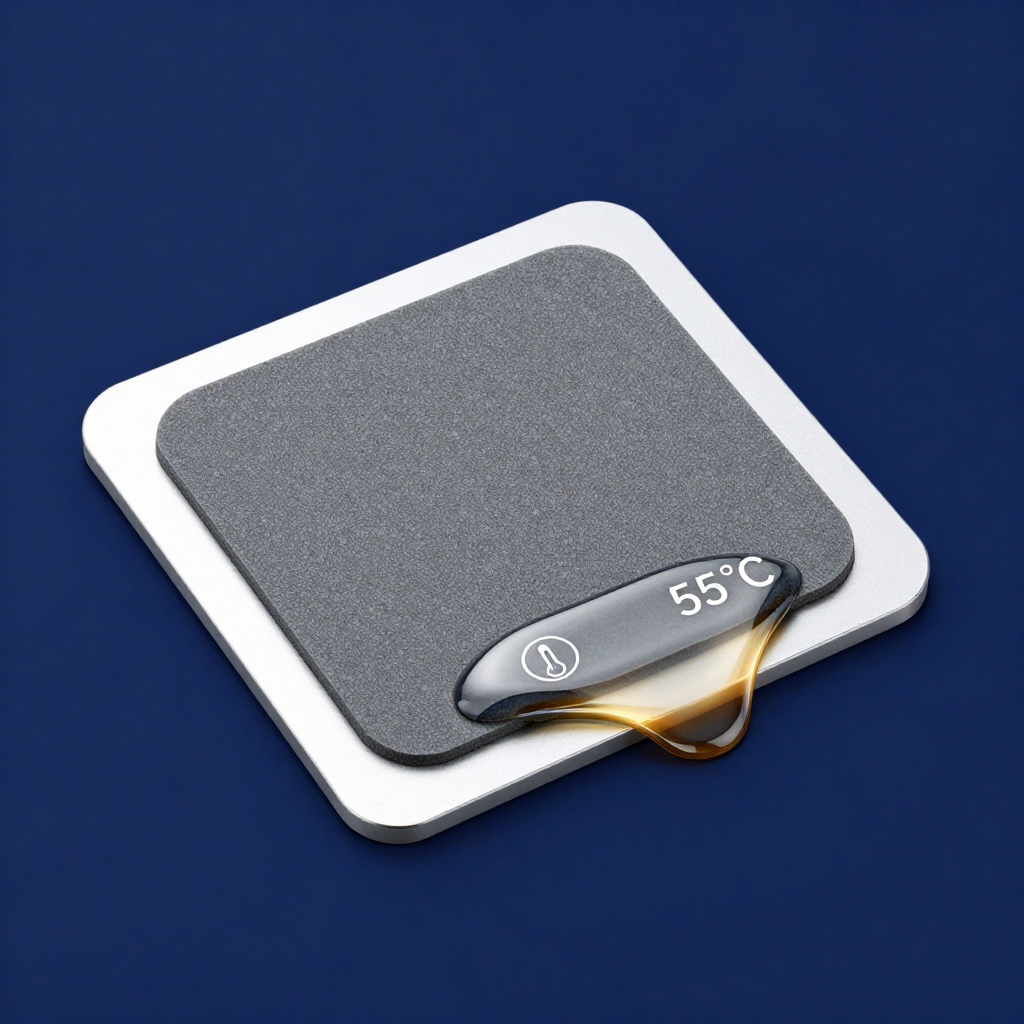
This is where advanced thermal interface materials for high-power processors become critical. Standard thermal pads may not suffice. The solution lies in selecting thermal pads with ultra-high thermal conductivity (>12 W/mK) and engineered for low compression force. This ensures optimal contact pressure across large die areas without risking damage to sensitive substrates. For cooling solutions between GPU memory chips and heatsinks, a pad with excellent conformability and low hardness is essential to bridge gaps caused by component height variations.
Furthermore, long-term reliability under continuous thermal cycling is non-negotiable. A high-quality pad must exhibit minimal pump-out effect or drying, maintaining stable thermal resistance over thousands of operational hours. When choosing a thermal pad for your server upgrade or build, prioritize materials tested for durability in 24/7 server environments. By addressing these specific thermal challenges in AI hardware, engineers can ensure maximum computational throughput and system uptime for machine learning workloads.