Beyond Price per Sheet: Calculating Total Cost of Ownership for Thermal Interface Materials
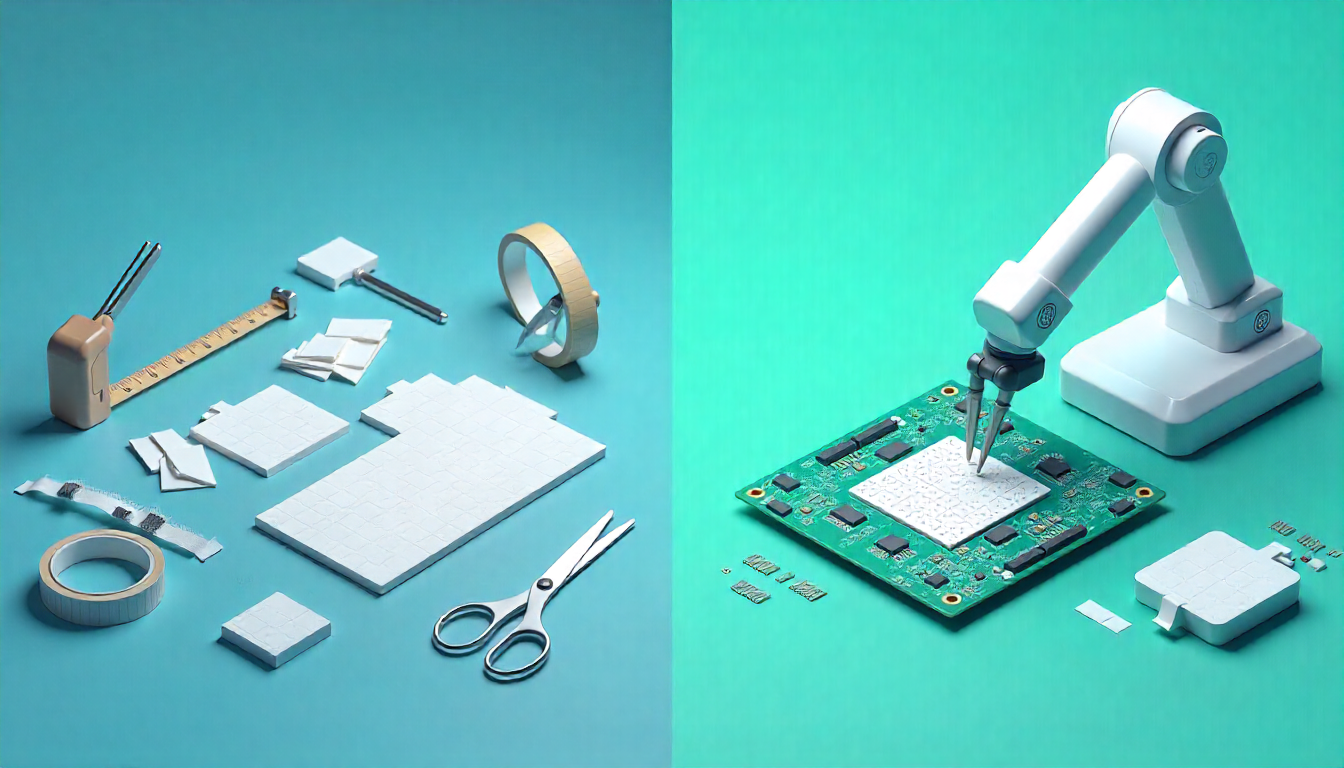
While the thermal conductivity rating grabs headlines, the true cost of a thermal interface material (TIM) is hidden in the application process. Focusing solely on price per square meter of thermal pad can be a costly mistake. A comprehensive total cost of ownership for thermal materials analysis includes factors like material waste during hand-cutting, labor time for installation, and the risk of rework due to improper fit.
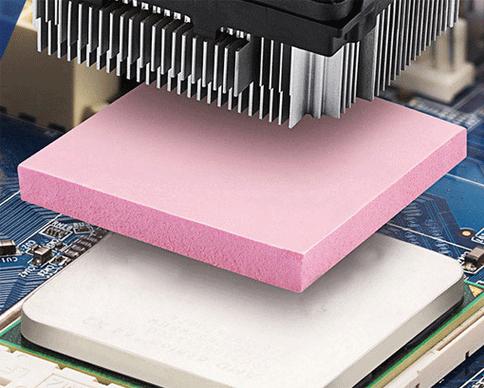
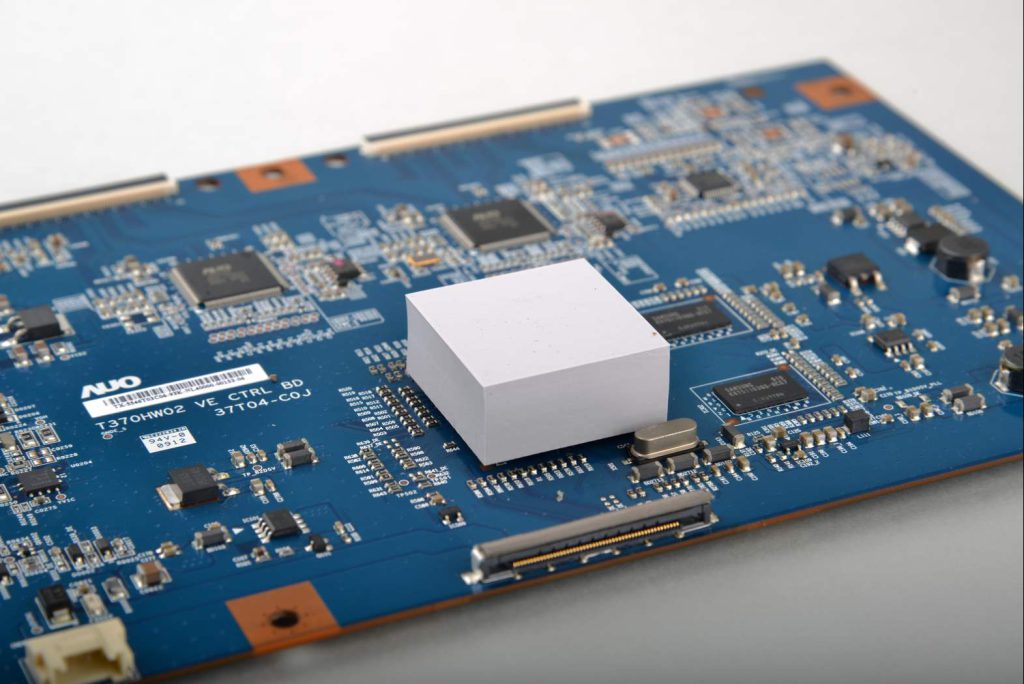
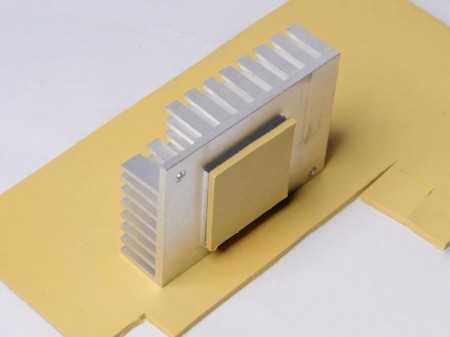
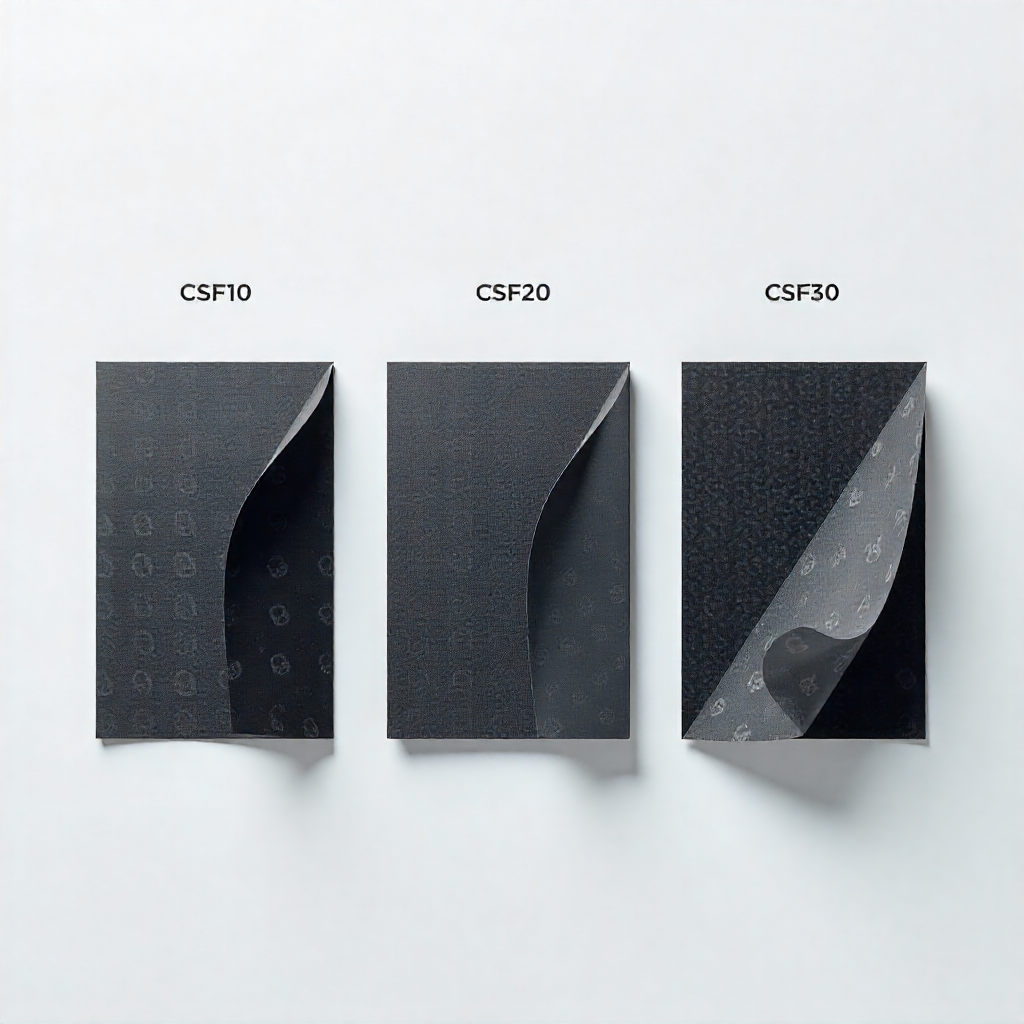
This is where benefits of custom die-cut thermal pads become clear. Precision die-cutting ensures each pad is the exact size and shape, leading to minimized thermal pad scrap rates and consistent coverage. For high-volume production, using pre-applied adhesive or liner systems can drastically reduce assembly time and errors. The initial higher cost of custom-shaped thermal interface materials is often offset by improved manufacturing yield and throughput.
To truly optimize your thermal budget, consider the performance consistency across the entire heatsink area. A poorly cut pad creates air gaps, increasing thermal resistance and potentially causing hot spots on PCBs. Investing in high-conformability pads that accommodate surface unevenness can prevent this, reducing long-term failure risks. Always factor in application labor costs when choosing TIMs. Sometimes, a slightly more expensive but easier-to-handle pad results in lower final assembly cost per unit and higher end-product reliability.