Medical Device Cooling: Biocompatible Thermal Pads
Thermal management in medical and life science equipment carries a unique dual burden: it must ensure the precise temperature control critical for device function and patient safety, while also meeting stringent biocompatibility and regulatory standards. From portable ultrasound machines to massive MRI scanners and DNA sequencers, effective cooling in medical electronics directly impacts diagnostic accuracy, treatment efficacy, and operational uptime.
Regulatory Compliance: The First Filter
Any material used in a patient-connected medical device or within its enclosure must be evaluated for safety. Thermal pads requiring ISO 10993 biocompatibility certification are essential to demonstrate that no harmful leachables are released. For devices like wearable patient monitors or therapeutic cooling wraps, the pad may contact skin or reside in a fluid path, necessitating USP Class VI or similar certified materials. Furthermore, thermal interface materials for MRI systems must be non-magnetic and non-conductive to prevent interference with sensitive imaging fields and ensure patient safety.
Precision Cooling for Critical Components
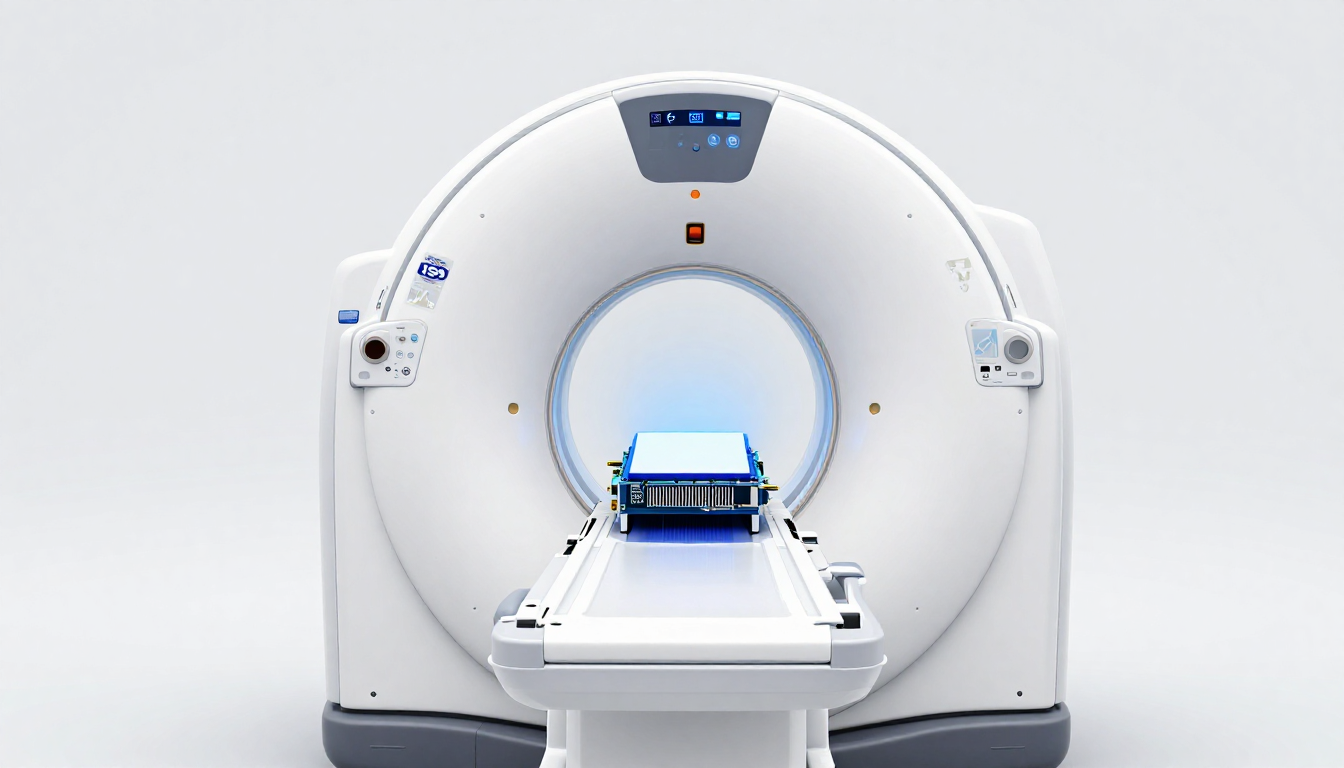
- Diagnostic Imaging Systems: The X-ray tubes in CT scanners and RF amplifiers in MRI machines generate enormous heat. High-performance, electrically insulating thermal pads are used to transfer this heat to liquid cold plates, requiring exceptional long-term reliability and stability to avoid costly system downtime in clinical settings.
- Molecular Diagnostics & Sequencing: Devices like PCR cyclers and next-generation sequencers rely on precise thermal cycling. Here, thermal interface materials with high thermal conductivity and low thermal mass are used to ensure rapid, uniform temperature changes across sample blocks, directly affecting test speed and accuracy.
- Portable & Wearable Devices: For compact ultrasound probes or handheld vital sign monitors, space is minimal and heat from processors must be spread efficiently. Ultra-thin, flexible graphite sheets or soft thermal gap fillers are employed to move heat to the device housing without adding stiffness or weight.
Designing for Silence and Cleanliness
Medical environments demand low acoustic noise. Therefore, thermal solutions for fan-less medical equipment often rely on passive cooling through optimized heatsinks and high-performance TIMs. In cleanroom environments for lab automation, materials must have low particle generation and chemical resistance to common disinfectants. The overarching goal is to ensure the thermal stability and operational safety of diagnostic equipment, enabling healthcare providers to deliver consistent, reliable care. This makes the choice of thermal interface a critical, though often unseen, component in the healthcare technology chain.