Edge Device Cooling: Compact TIM Solutions for IoT & 5G
The proliferation of edge computing and IoT devices has pushed thermal management into some of the most constrained and environmentally challenging spaces imaginable. From 5G small cells mounted on lampposts to industrial IoT sensors in factory settings, these devices must operate reliably without the luxury of large heatsinks or active cooling. This reality places unprecedented demands on thermal interface materials for compact electronics, requiring innovative solutions that deliver maximum performance in minimal spaces.
Unique Challenges of Edge Environments
Edge devices face a perfect storm of thermal challenges:
- Space Limitations: Enclosures are often sealed and extremely compact, leaving no room for traditional cooling solutions.
- Passive-Only Requirements: Many edge applications require fanless thermal design for outdoor electronics to ensure reliability and reduce maintenance.
- Harsh Operating Conditions: Devices must withstand wide temperature fluctuations, dust, moisture, and vibration while maintaining thermal performance.
- Power Constraints: Limited power budgets restrict the use of active cooling, making efficient heat spreading through TIMs critical for preventing thermal throttling in edge AI processors.
Advanced Material Solutions for Space-Constrained Designs
To address these challenges, TIM manufacturers have developed specialized solutions:
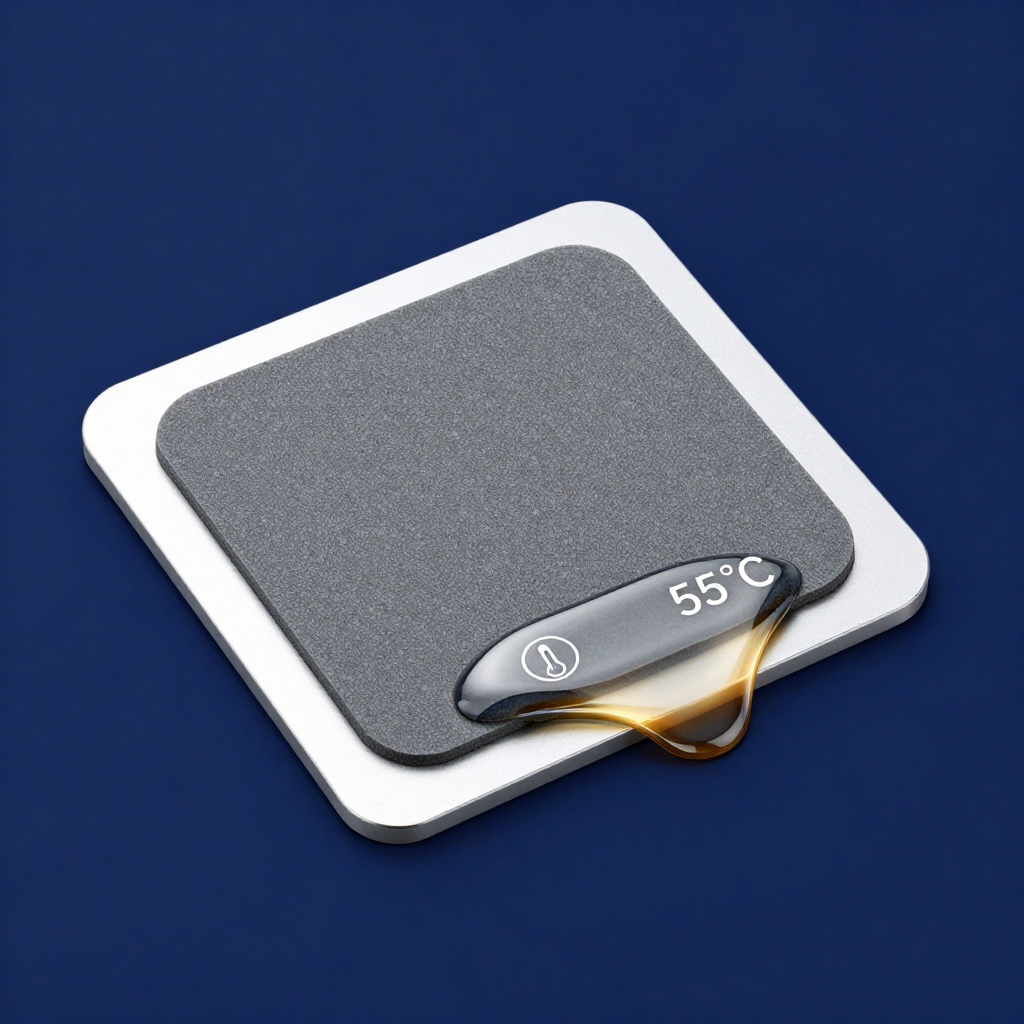
- Ultra-Thin Phase Change Materials: PCMs under 0.2mm thickness provide excellent interface filling while maintaining structural integrity in vertically stacked PCB assemblies common in edge devices.
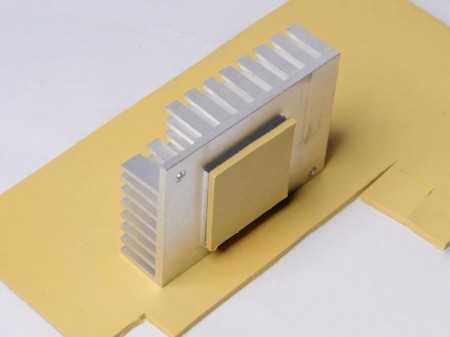
- Thermally Conductive Adhesives: These materials serve dual purposes—providing both structural bonding and thermal conduction in assemblies where mechanical fasteners aren’t possible due to space constraints.
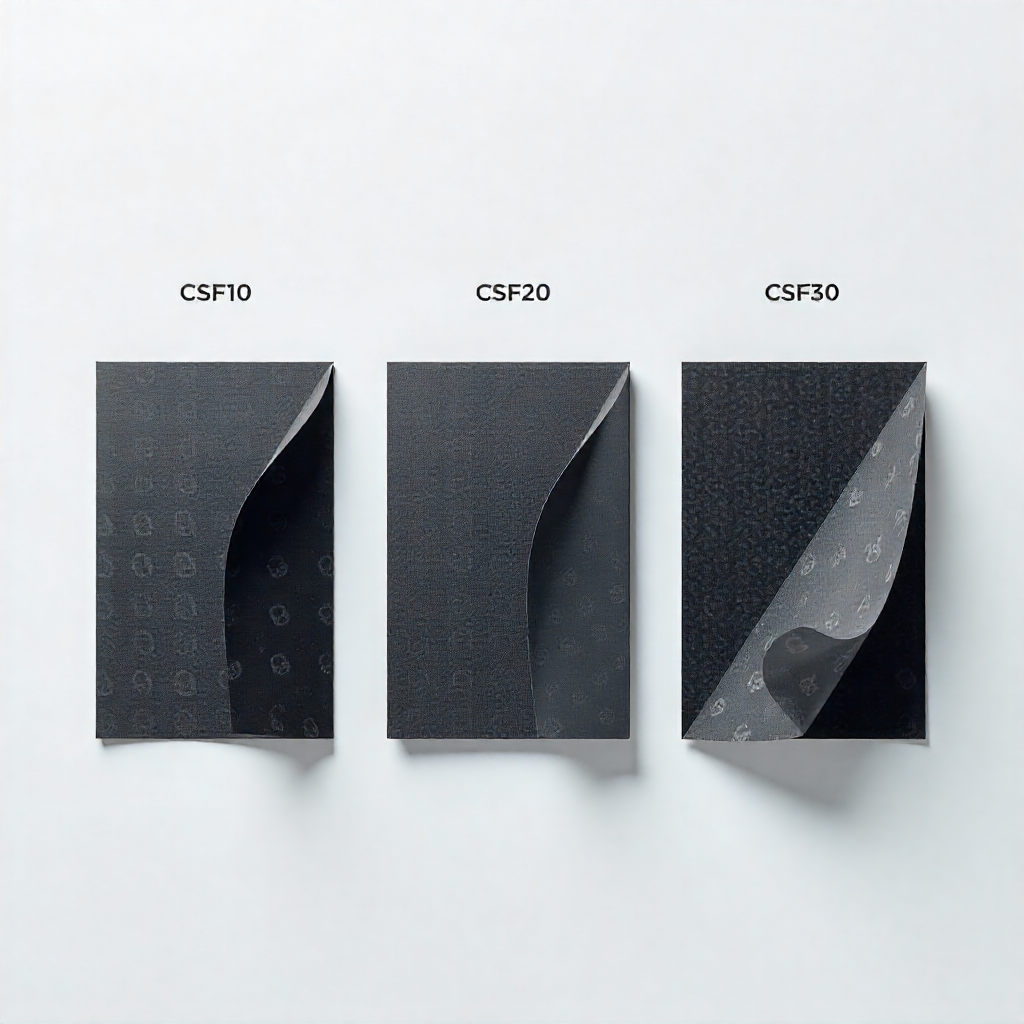
- Anisotropic Thermal Tapes: Directional thermal conductive tapes allow heat to flow vertically while providing electrical insulation horizontally, perfect for multi-layer edge computing modules.
- Gap Filling Putties: For irregular surfaces and components with height variations, thermal putties with high conformability ensure complete contact without requiring precise thickness matching.
Integration Strategies for Maximum Efficiency
Successful edge device cooling requires holistic integration:
- Chassis as Heatsink: Using the device enclosure as a primary heatsink requires high-performance TIMs with excellent adhesion to metal surfaces to create efficient thermal pathways from internal components to the outer shell.
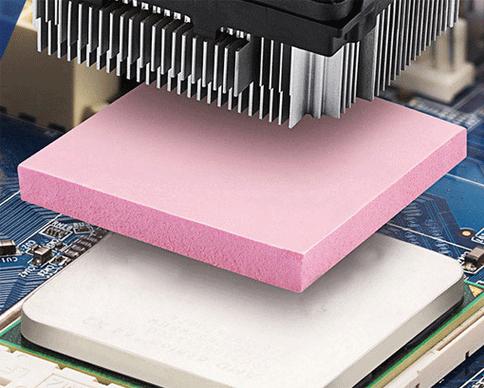
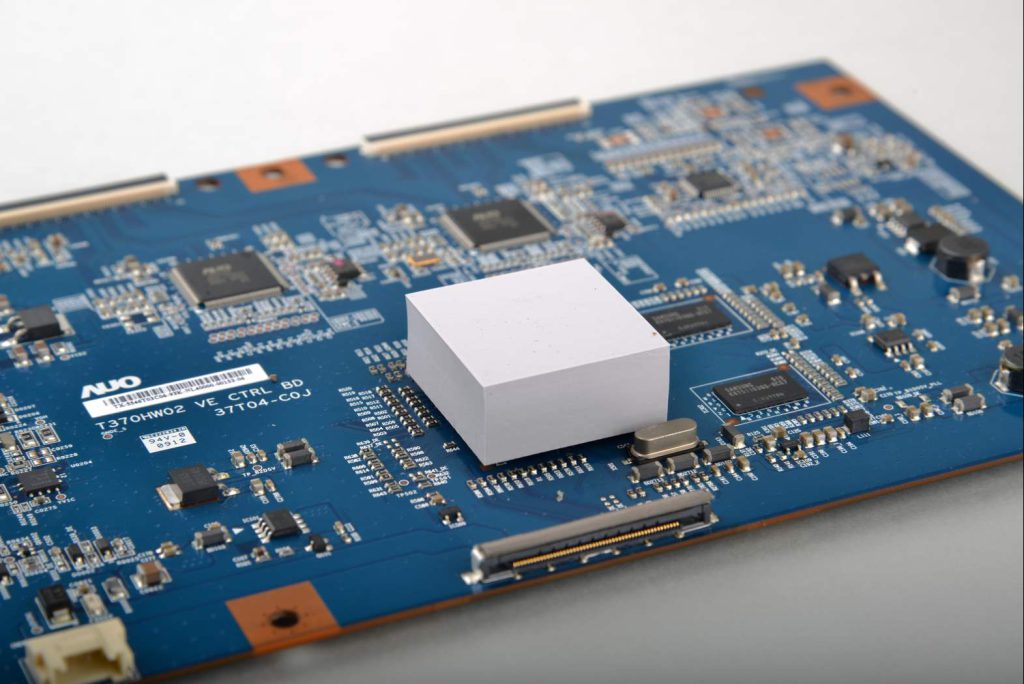
- Component-Level Optimization: Different components within a single device may require different TIM solutions—high-conductivity pads for processors alongside thermally conductive encapsulants for power management ICs.
- Thermal Modeling and Simulation: Advanced computational fluid dynamics for edge device thermal design helps optimize TIM placement and thickness before physical prototyping, reducing development time and cost.
Real-World Applications and Performance Metrics
Specific edge computing scenarios demonstrate these solutions in action:
- Autonomous Vehicle Sensors: LIDAR and radar processing units in vehicles require TIMs that maintain performance across automotive temperature ranges (-40°C to +125°C) while withstanding constant vibration.
- Smart City Infrastructure: Traffic monitoring cameras and environmental sensors use specialized TIMs to prevent overheating during summer months while maintaining performance in winter conditions.
- Industrial Automation: Edge controllers in manufacturing environments rely on dust-resistant and chemically stable thermal interfaces to ensure uninterrupted operation.
Testing and Reliability Considerations
Edge devices demand exceptional reliability with minimal maintenance:
- Extended Environmental Testing: TIMs must prove performance through accelerated aging tests simulating 5-10 years of continuous operation in harsh conditions.
- Thermal Cycling Endurance: Materials must survive thousands of temperature cycles without degradation of thermal or mechanical properties.
- Vibration and Shock Resistance: Comprehensive testing ensures TIMs maintain contact and performance under the mechanical stresses typical of edge deployments.
Future Trends in Edge Thermal Management
As edge computing evolves, several trends are emerging:
- Integrated Thermal Solutions: Movement toward unified thermal management systems where TIMs are pre-applied during component manufacturing.
- Smart Thermal Materials: Development of phase-change materials with tunable transition temperatures that adapt to different operating conditions.
- Sustainable Solutions: Increased focus on recyclable and environmentally friendly TIMs for edge devices deployed in sensitive environments.
The convergence of advanced materials science and innovative thermal design is enabling edge computing to reach its full potential. By solving the thermal challenges of compact, harsh-environment deployments, these solutions are making possible the next generation of distributed intelligence and real-time data processing that will power our increasingly connected world.