Aerospace Thermal Pads: Solutions for Extreme Environments
The unforgiving environments of aerospace and defense applications—from the vacuum of space to the vibration of armored vehicles—demand thermal interface materials that perform reliably where failure is not an option. Thermal management in avionics and radar systems must contend with extreme temperature swings, intense mechanical shock, and the absolute need for material stability, making standard commercial solutions wholly inadequate.
Meeting Stringest Performance and Safety Standards
Materials used in these sectors must comply with rigorous MIL-STD and NASA outgassing specifications. Low-outgassing thermal pads (meeting ASTM E595) are mandatory in spacecraft and satellites to prevent contamination of optical sensors and sensitive instrumentation. Similarly, thermal interface materials for high-altitude aircraft electronics must maintain performance from -55°C to over 200°C, resisting embrittlement at cryogenic temperatures and thermal degradation at peak operational heat. Beyond temperature, vibration and shock resistance per MIL-STD-810 is critical, requiring pads with exceptional adhesion strength and minimal compression set to maintain thermal contact during extreme maneuvers.
Addressing Unique Application Challenges
- Radar and EW System Cooling: Active electronically scanned array (AESA) radars generate significant heat in tight spaces. Thermal pads for GaN-based RF amplifiers in these systems must combine high thermal conductivity with excellent dielectric properties for high-frequency circuits, all while being conformable to uneven mating surfaces.
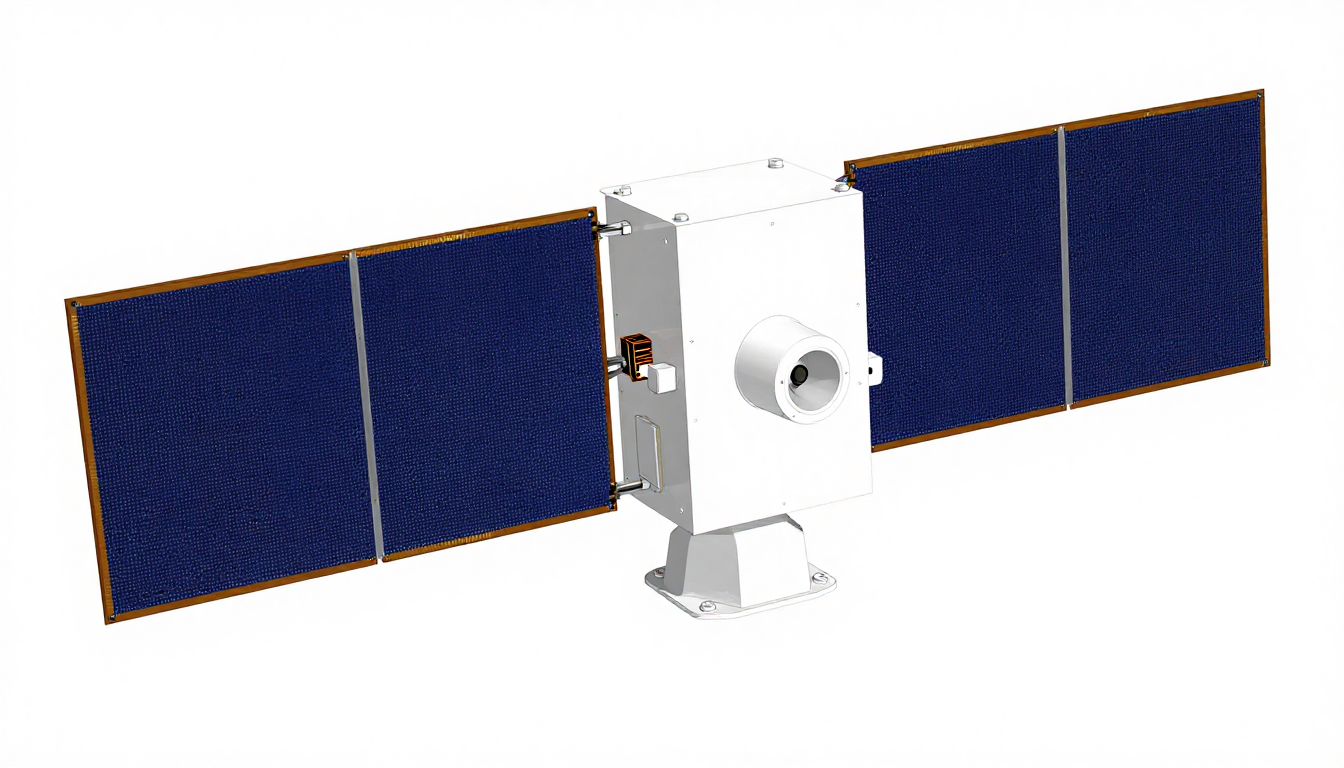
- Spacecraft Thermal Control: In the vacuum of space, convection cooling doesn’t exist, making conduction through thermal interface materials for satellite payloads the primary heat transfer method. Materials are often used to bond components to radiative thermal plates, requiring not just thermal performance but also long-term stability against atomic oxygen and UV radiation.
- Ground Vehicle Electronics: Electronics in military vehicles face dust, humidity, and broad temperature ranges. Here, environmentally sealed thermal gap fillers that resist moisture ingress and fungus resistance per MIL-STD-810 can be as important as thermal conductivity.
The Supply Chain and Qualification Imperative
Selecting a TIM for these applications goes beyond data sheets. It involves partnering with certified thermal material suppliers who provide full traceability and lot testing documentation. The qualification process for long-duration space mission thermal components or safety-critical flight control systems is exhaustive, involving years of testing. For engineers, this means planning thermal management solutions early in the design cycle and understanding that the total lifecycle reliability of aerospace-grade thermal pads is the paramount metric, far outweighing initial cost considerations. This rigorous approach ensures the performance integrity of mission-critical electronics in the world’s most demanding environments.