Ask the Expert: Your Top 5 Thermal Pad Questions, Answered
Whether you’re building a gaming PC, repairing a laptop, or prototyping a new device, thermal pads can be confusing. We’ve gathered the most common questions from our community and provided clear, practical answers.
Q1: Can I safely cut a thermal pad to a custom size?
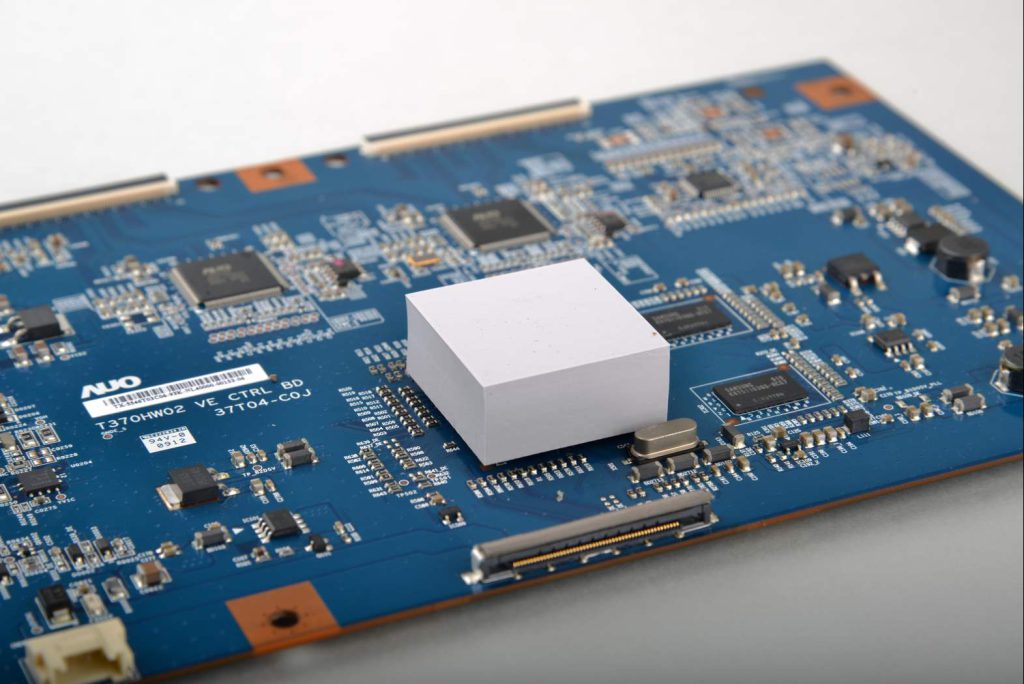
A: Yes, absolutely. This is one of their key advantages. Use a sharp craft knife or scissors. Aim for a clean, slightly oversized cut to ensure coverage. Avoid fraying the edges.
Q2: What’s the difference between a thermal pad and thermal tape?
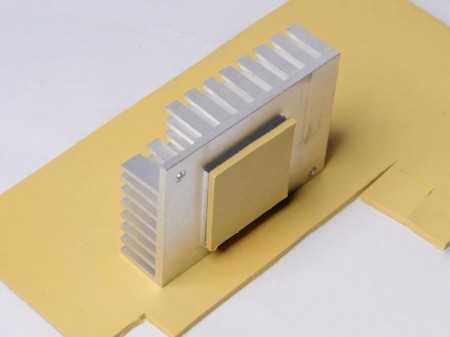
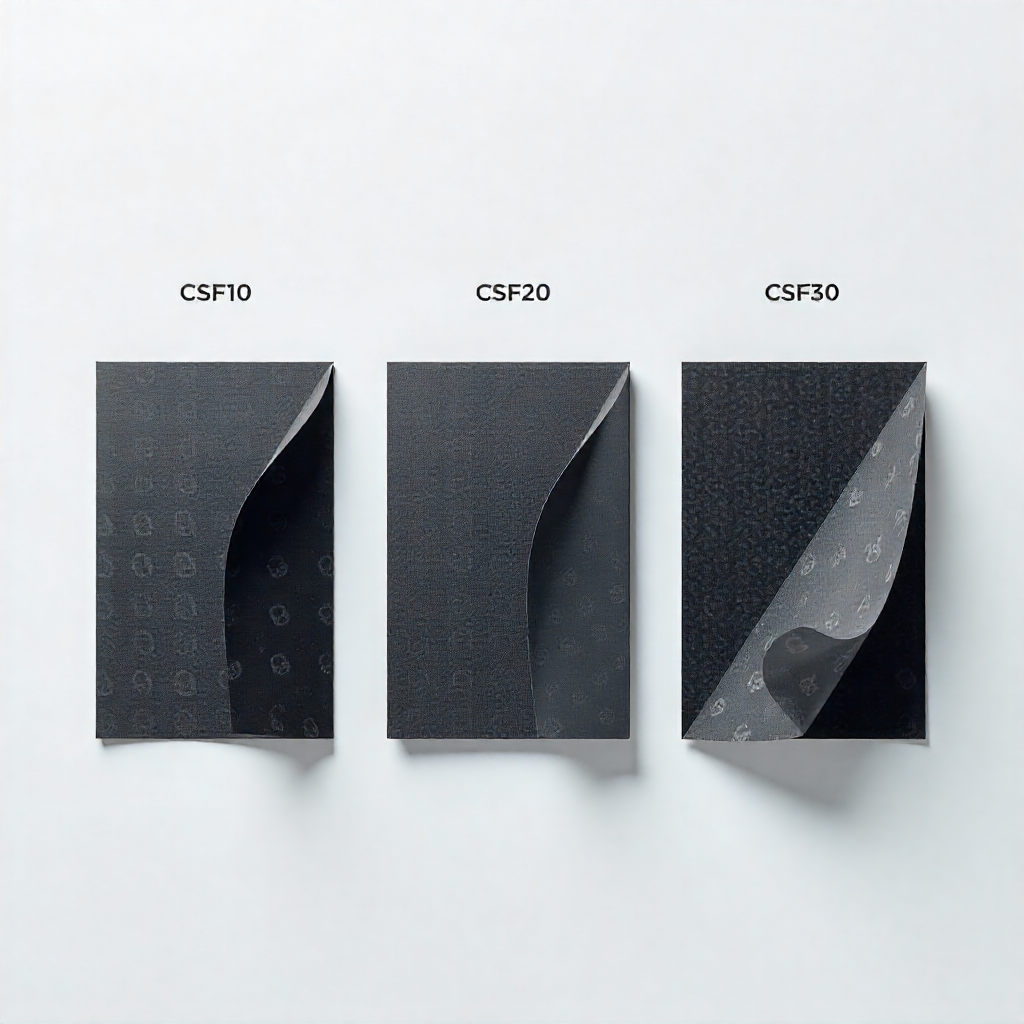
A: Thermal pads are generally softer, more compressible, and have higher thermal conductivity. They rely on pressure from mounting to stay in place. Thermal adhesive tapes have a sticky backing for permanent, low-strength bonding. Tapes are easier to apply but typically have much lower thermal performance. Use pads for cooling CPUs/GPUs; use tapes for attaching small heatsinks to low-power chips.
Q3: How do I clean off old thermal pad residue or grease?
A: Isopropyl alcohol (IPA, 90%+ concentration) is your best friend. Apply it to a lint-free cloth or coffee filter and gently wipe the surface. For stubborn residue, you can use a plastic spudger. Never use abrasive materials or excessive force that could scratch the delicate surface of a CPU die.
Q4: Is thicker always better for thermal pads?
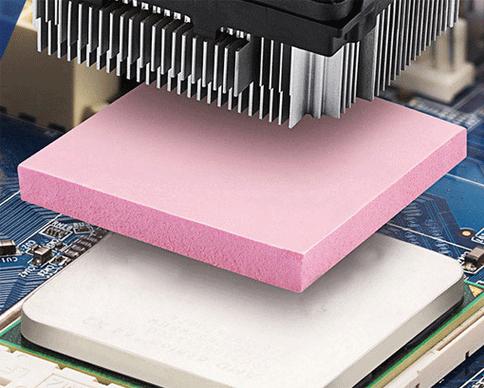
A: No, this is a critical mistake. The pad must match the actual physical gap between your component and heatsink. A pad that is too thick will not compress properly, creating a significant thermal barrier. A pad that is too thin will make poor contact. Measure the gap and select a thickness that allows for about 20-30% compression under your mounting pressure.
Q5: Can a thermal pad short-circuit my components?
A: Standard silicone or phase change pads are electrically insulating and will not cause shorts. However, some high-performance pads use metal-based fillers (like aluminum or graphite) and are electrically conductive. Always check your datasheet! When in doubt, assume a pad is non-conductive unless explicitly stated otherwise.
Have more questions? Drop them in the comments below! Engaging with real user problems builds the most valuable resource of all: a trusted community.