Beyond 200°C: Thermal Interface Solutions for Extreme Temperature Electronics
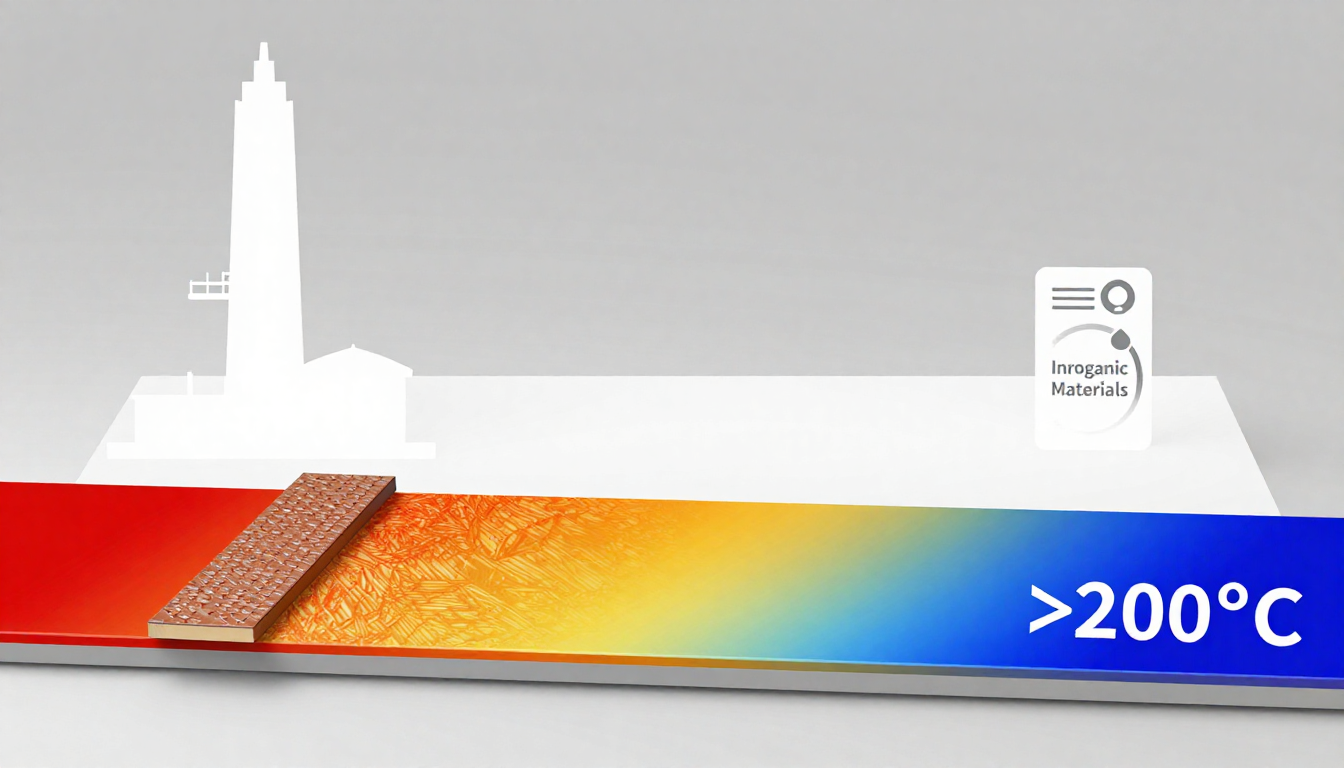
When electronics must function in environments exceeding 200°C, conventional polymer-based Thermal Interface Materials (TIMs) fail. Silicones decompose, greases dry and carbonize, and most adhesives lose strength. Thermal management at these extremes requires a shift to inorganic, ceramic, or metallic materials that maintain structural and thermal integrity where organics cannot survive.
Material Classes for the Extreme:
- Ceramic-Filled Composites with High-Temp Binders: Using binders like polyimide or specialized high-temp silicones filled with alumina, boron nitride, or aluminum nitride can push continuous use limits to 200-250°C. They remain somewhat compliant but are brittle.
- Pure Ceramic Sheets & Formed-in-Place Ceramics: Materials like boron nitride sheets, aluminum nitride substrates, or mica are excellent insulators and conductors. They can be used as rigid interfaces but require extremely flat surfaces and high pressure.
- Metallic TIMs:
- Solder Preforms/Shims: Alloys with high melting points (e.g., Au-Sn, Pb-Sn high-temp) are used for permanent, void-free die attachment. They offer the lowest thermal resistance but require a high-temp reflow process.
- Soft Metal Foils (Indium, Gallium Alloys): These remain malleable at high temperatures and conform well under pressure, useful for irregular surfaces.
- Graphite-Based Materials: Flexible graphite sheets retain their properties and even see increased in-plane conductivity at very high temperatures, but they are electrically conductive and require isolation layers.
Key Design Challenges:
- CTE Mismatch: At high temperatures, differential expansion between silicon, ceramics, and metals is severe. Joints must be designed to accommodate this stress, often using compliant layers or graded CTE structures.
- Long-Term Stability: Materials must not oxidize, interact, or creep excessively over thousands of hours at temperature.
- Process Compatibility: Assembly often requires specialized high-temperature bonding processes (sintering, brazing) incompatible with standard PCB assembly lines.
Applications include downhole drilling electronics, jet engine controls, and industrial process sensors. Here, the TIM is a critical, co-engineered component of the package itself, not an off-the-shelf add-on. Success depends on a deep partnership between the material supplier and the system architect.