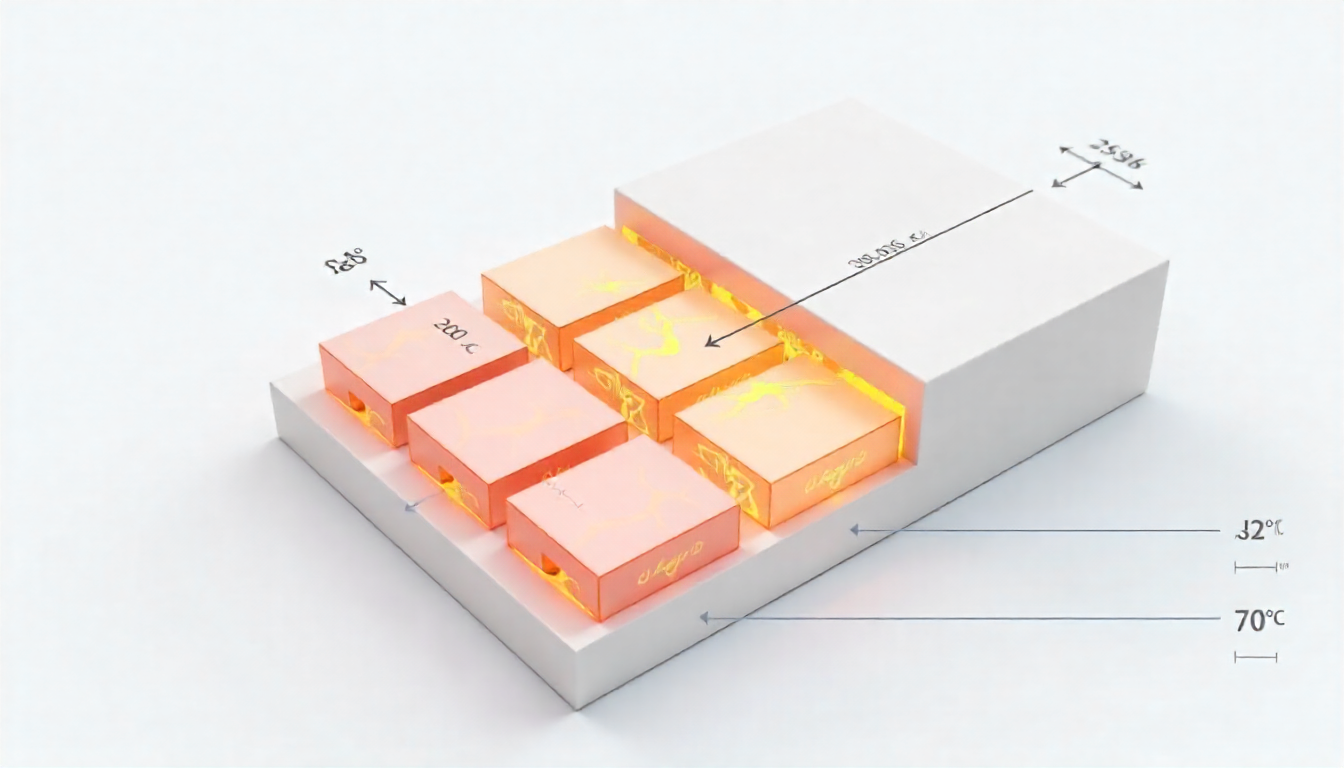
Beyond the Datasheet: How to Interpret Long-Term Reliability Data for Thermal Interface Materials
A thermal interface material’s (TIM) initial thermal conductivity is crucial, but its performance after 1,000 hours of operation is what truly defines product quality. For mission-critical applications in automotive, aerospace, or industrial settings, understanding and interpreting long-term reliability data is non-negotiable.
When reviewing a supplier’s reliability claims, look beyond the headline numbers. Here are key tests and what they mean for your design:
1. Thermal Cycling Test (-40°C to +125°C/150°C):
This test simulates real-world power on/off cycles and environmental changes. It primarily assesses resistance to pump-out and delamination. Don’t just ask “Did it pass?” Ask for the change in thermal resistance before and after, say, 500 or 1000 cycles. A high-quality phase change material should show minimal degradation (<10-15%).
2. High-Temperature Aging Test (e.g., 125°C for 1000 hours):
This evaluates the material’s stability under continuous thermal stress, checking for issues like dry-out, hardening, or excessive bleed-out of oils. This is critical for applications like under-hood automotive electronics.
3. Power Cycling Test:
More specific than temperature cycling, this directly heats the component (e.g., an IGBT). It’s the ultimate test for interface stability under actual heat flux and thermomechanical stress, closely mimicking end-use conditions.
Interpreting the Data for Your Phase Change Pad:
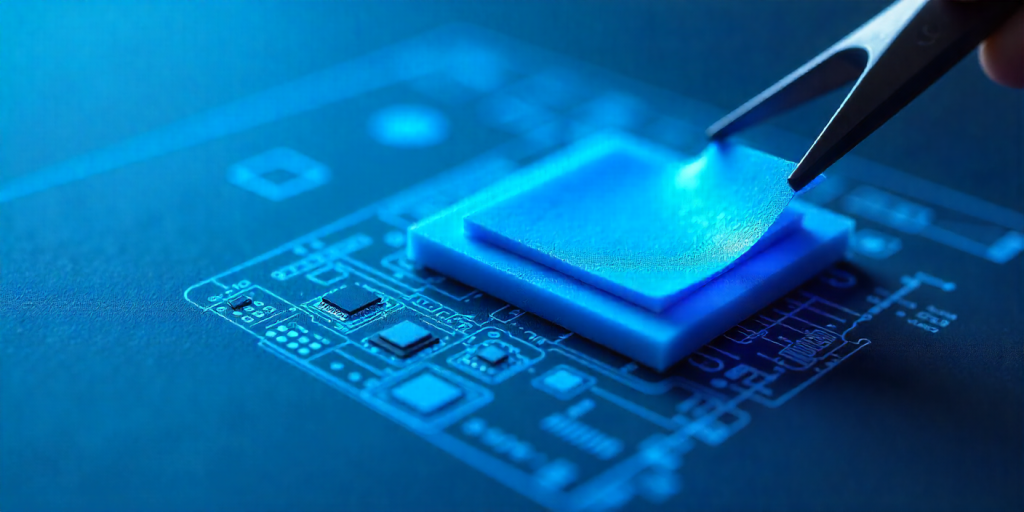
When evaluating a phase change thermal pad like the SP180, focus on data proving its core promise: anti-pump-out performance. The post-test analysis should show the material remained in place and maintained interfacial contact. Graphs showing stable thermal resistance over increasing cycles are more valuable than a simple “pass” statement.
At Thermal Silicon Pad, we believe transparency builds trust. Our technical documentation for the SP180 includes detailed reliability test reports, providing the empirical data you need to make a risk-averse selection for designs where failure is not an option.