
Engineering the Impossible: How Thermal Metamaterials Redefine Heat Flow Management
Imagine a Thermal Interface Material (TIM) that doesn’t just conduct heat, but actively controls its path—directing it away from sensitive […]
Imagine a Thermal Interface Material (TIM) that doesn’t just conduct heat, but actively controls its path—directing it away from sensitive […]

What if a Thermal Interface Material (TIM) could heal itself? Micro-cracks from thermal stress, delamination from vibration, or minor pump-out
The future of high-performance computing and electric vehicles demands thermal systems that adapt. Imagine a Thermal Interface Material (TIM) whose
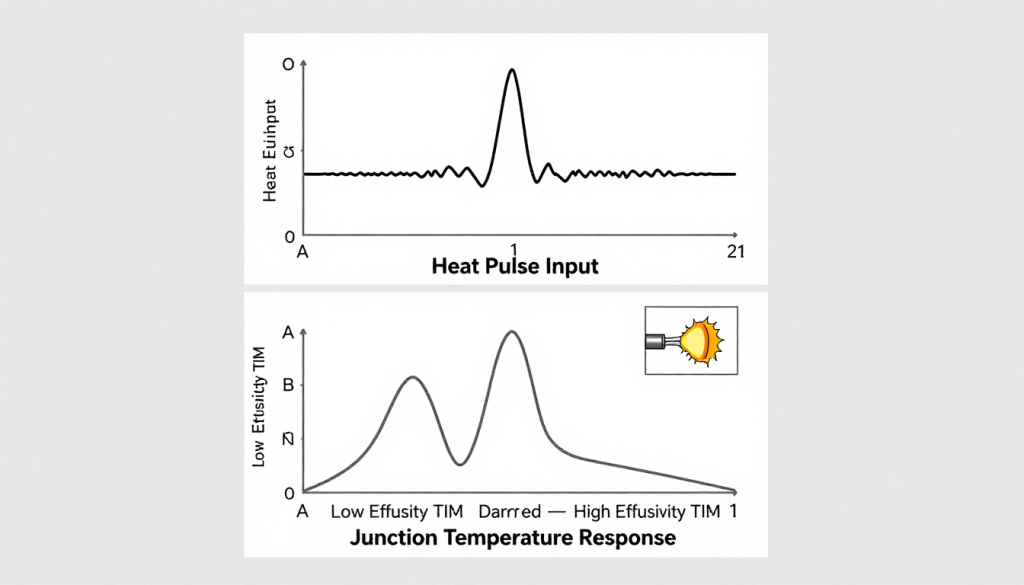
In applications where heat is generated in microsecond bursts, the initial temperature spike is not governed by steady-state thermal conductivity,
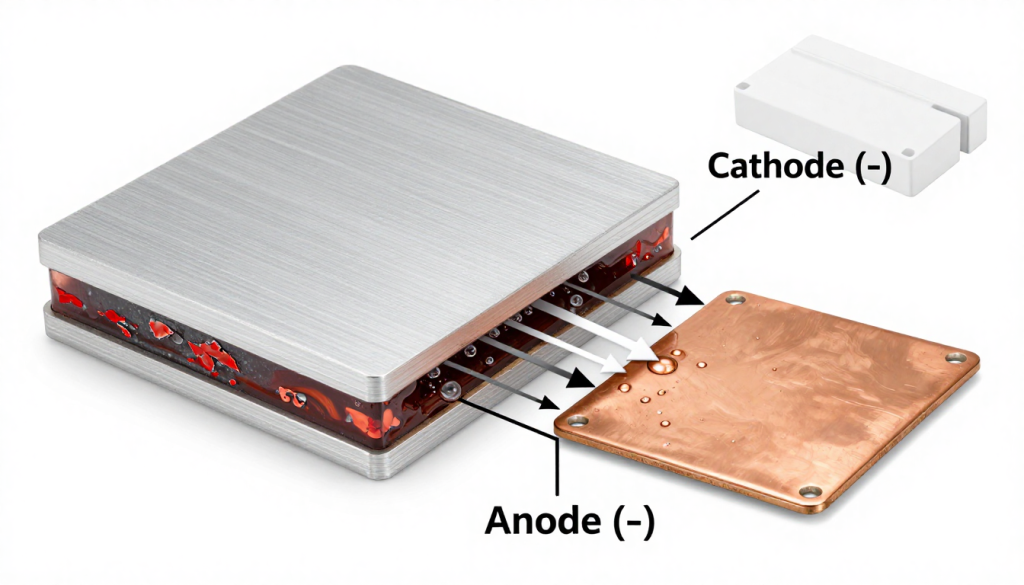
When a Thermal Interface Material (TIM) is electrically conductive or becomes slightly conductive due to moisture absorption, it can create
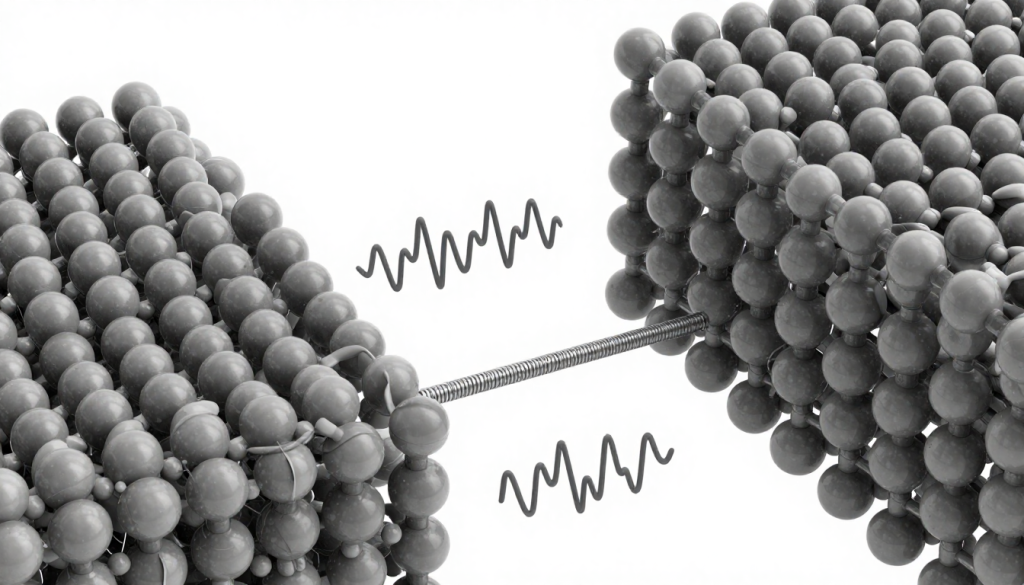
At the nanoscale, heat is not a fluid but a vibration—carried by quantized lattice waves called phonons. The ultimate limit on
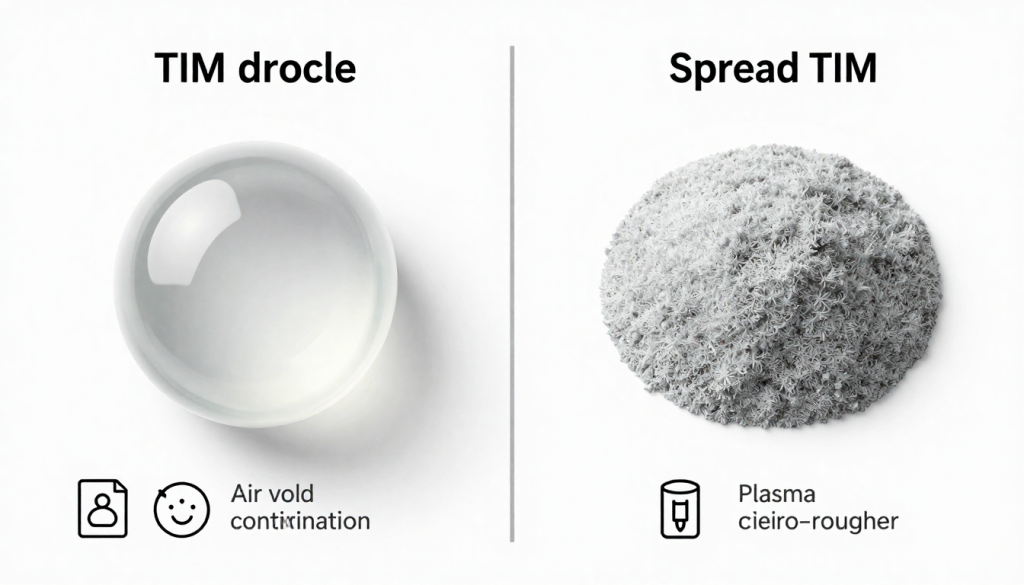
The microscopic world where a Thermal Interface Material (TIM) meets a substrate is governed by surface energy—a fundamental property that
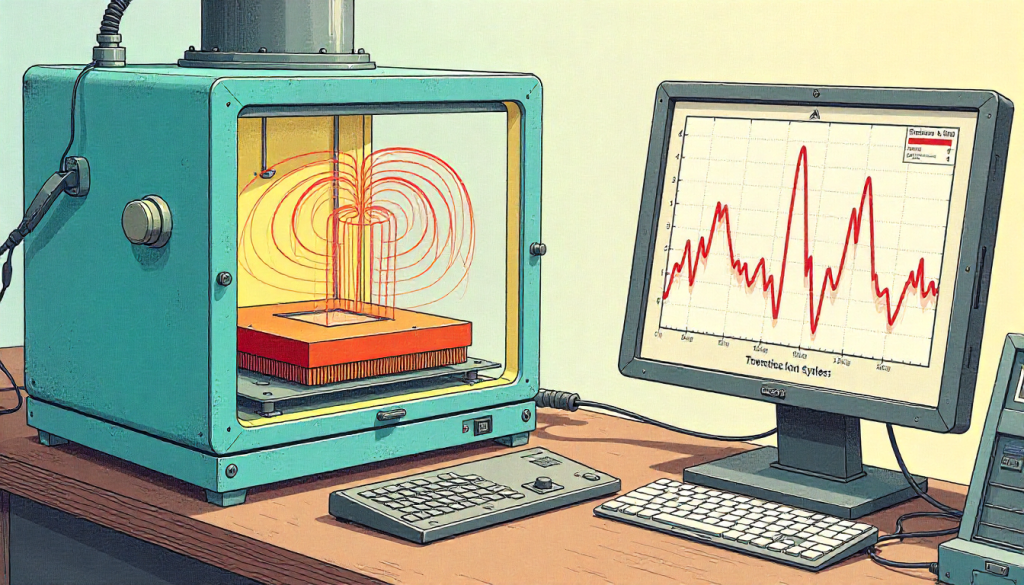
Most TIM failures are detected too late—when temperature spikes or the device fails. Acoustic Emission (AE) monitoring offers a paradigm shift: listening
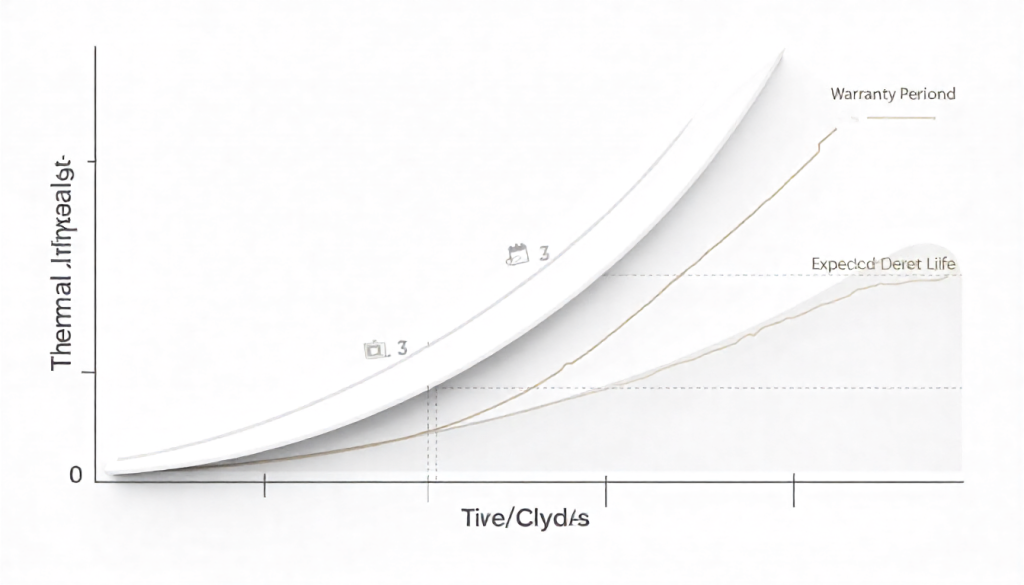
When a Thermal Interface Material (TIM) is placed under constant compressive load—as it is in every heatsink assembly—it doesn’t just
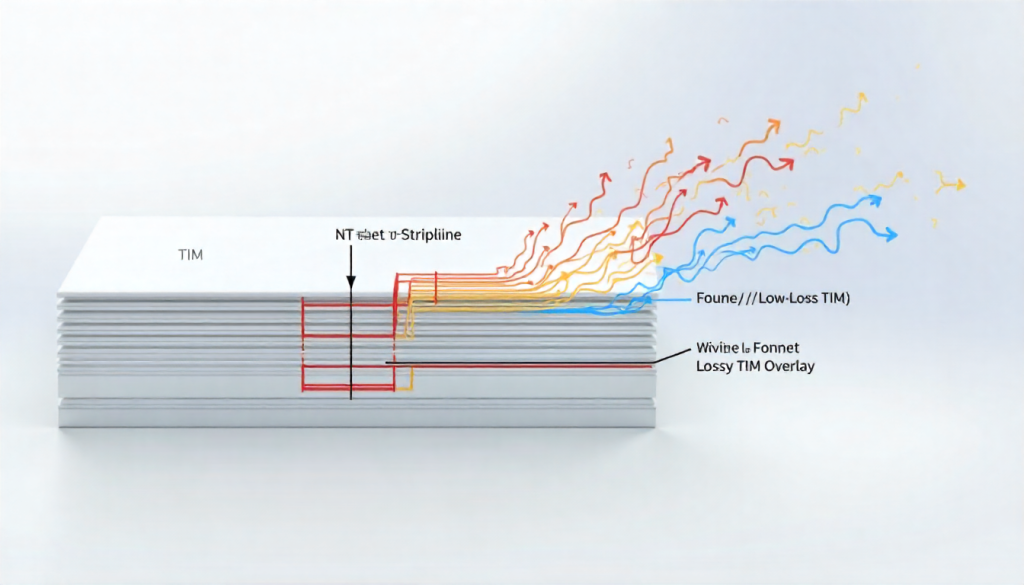
As digital signal speeds breach 50+ Gbps and RF systems operate deep into millimeter-wave bands, every material in proximity to
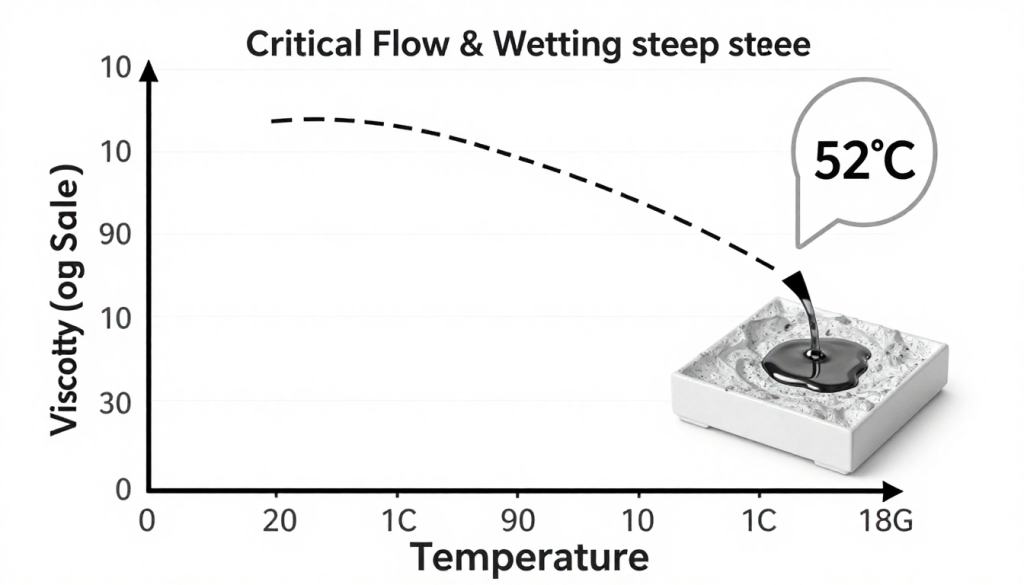
The defining characteristic of a phase change Thermal Interface Material (TIM) is not just its melting point, but its complete viscosity-temperature

In sealed, sensitive, or vacuum environments, the greatest threat from a Thermal Interface Material (TIM) isn’t its thermal resistance—it’s the