
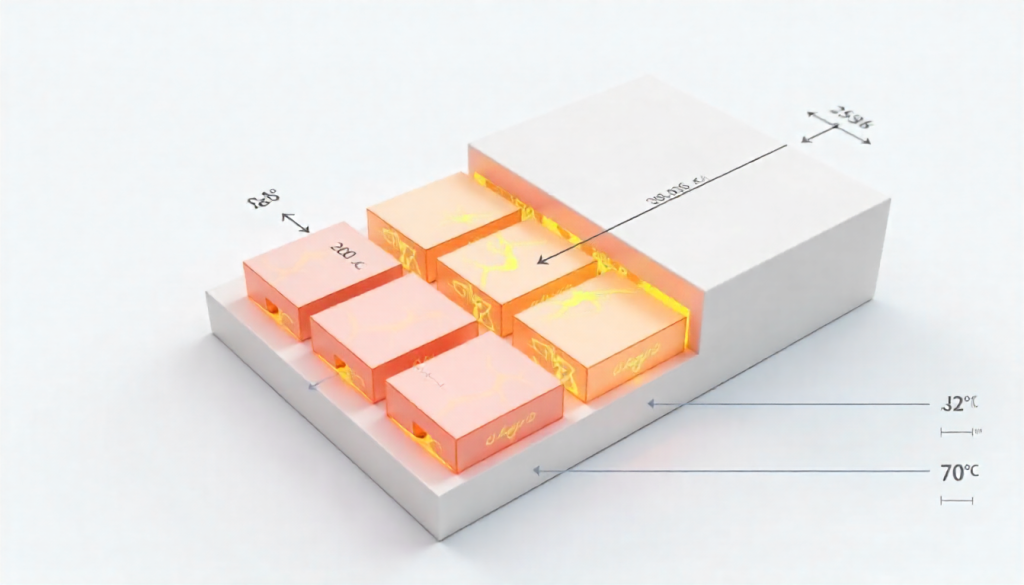
Beyond the Datasheet: How to Interpret Long-Term Reliability Data for Thermal Interface Materials
A thermal interface material’s (TIM) initial thermal conductivity is crucial, but its performance after 1,000 hours of operation is what […]
A thermal interface material’s (TIM) initial thermal conductivity is crucial, but its performance after 1,000 hours of operation is what […]
Selecting the perfect thermal material is only half the battle. Ensuring it meets the necessary safety, environmental, and regulatory standards
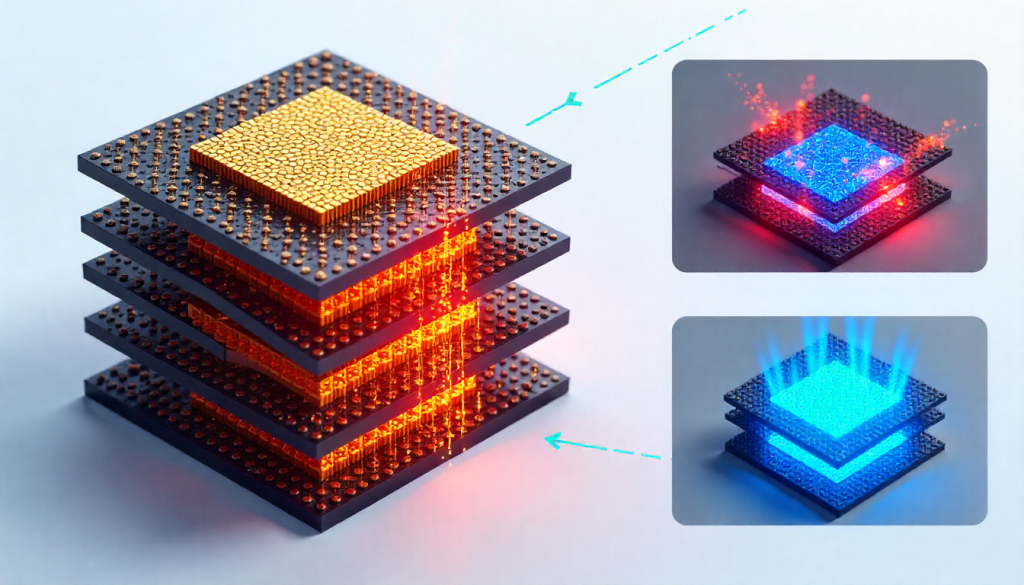
Is your design team constantly battling thermal throttling in compact spaces? Or perhaps you’re troubleshooting field failures linked to dried-up

The exponential growth in computational density, driven by artificial intelligence and high-performance computing, has rendered traditional air cooling insufficient, making

The continuous push toward higher output powers in semiconductor laser systems has created heat flux densities that challenge the fundamental

The industry’s shift toward 2.5D and 3D integrated circuit (IC) packaging, combining multiple silicon dies, high-bandwidth memory (HBM), and interposers,

Electronics deployed in harsh environments including automotive, aerospace, and industrial applications experience mechanical stress, thermal cycling, and chemical exposure that
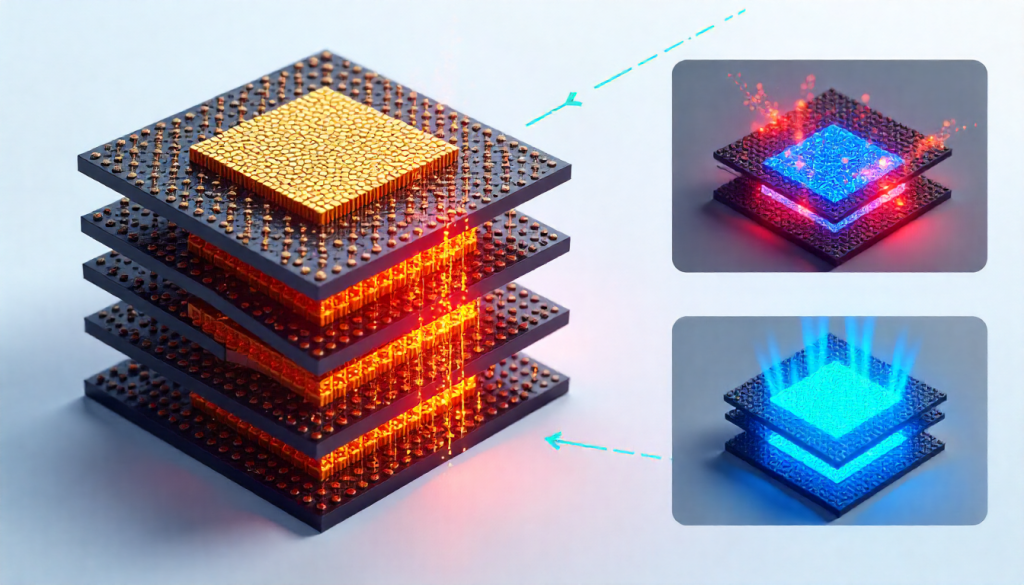
The convergence of photonics and electronics in next-generation computing and communication systems creates unique thermal management challenges at optical-electronic interfaces
Energy generation systems including gas turbines, solid oxide fuel cells, and concentrated solar power plants operate at temperatures exceeding 500°C
Radio frequency and microwave systems require dynamic thermal management solutions that can adapt to varying power levels and operating conditions

The advancement of quantum computing systems operating at millikelvin temperatures presents unprecedented thermal management challenges, particularly in managing heat transfer

The electronics industry faces growing pressure to develop sustainable alternatives to conventional petroleum-based thermal interface materials while maintaining or improving