Chemical Attack: Selecting TIMs That Survive Aggressive Industrial Environments
In a factory, on an oil rig, or under a car hood, Thermal Interface Materials (TIMs) are exposed to more than just heat. They face aggressive chemicals, solvents, fuels, and salt spray that can cause standard silicones and polymers to swell, dissolve, lose adhesion, or become conductive. Selecting a TIM for these environments requires a chemical compatibility analysis as rigorous as the thermal analysis.
Failure Modes in Chemical Environments:
- Swelling & Loss of Mechanical Integrity: Exposure to oils or organic solvents can cause polymer chains to absorb fluid and expand, reducing thermal conductivity and potentially exerting damaging stress on components.
- Extraction of Plasticizers/Additives: Chemicals can leach out stabilizing compounds, causing the TIM to harden, crack, or change its electrical properties.
- Chemical Degradation/Polymer Attack: Strong acids, bases, or oxidizers can break down the polymer matrix itself.
- Conductive Pathway Formation: Contaminants absorbed into the TIM can create electrically conductive paths, leading to short circuits.
Material Selection Strategy:
- Identify the Exact Exposures: What specific chemicals, at what concentrations and temperatures, will the TIM encounter? Is it continuous exposure, splash, or just fumes?
- Consult Chemical Resistance Charts: Reputable TIM suppliers provide chemical resistance data for their materials against common industrial fluids (e.g., ASTM D471 immersion tests).
- Consider Specialized Chemistries:
- Fluorosilicones: Offer excellent resistance to fuels, oils, and solvents compared to standard silicones.
- Fluorocarbon-based Polymers (e.g., PTFE, FKM): Have broad chemical resistance but are harder to formulate into soft, conformable pads.
- High-Purity, Cross-Linked Polymers: Minimize leachable content, reducing the risk of contamination.
- Metal or Ceramic-Based Interfaces: Offer ultimate chemical inertness where electrical insulation is not required.
Design for Protection:
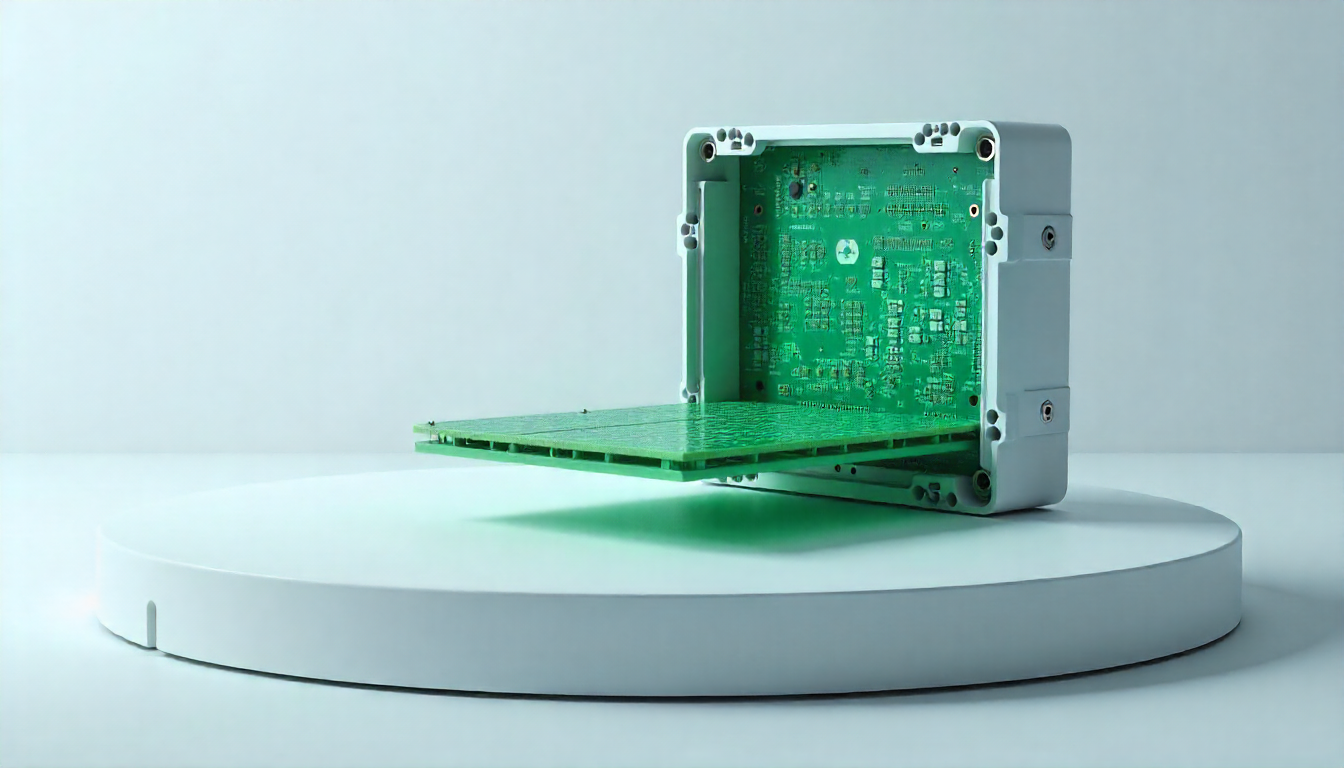
Often, the best strategy is to encapsulate or pot the entire assembly with a chemically resistant epoxy or silicone, using the TIM underneath for primary heat transfer. This creates a dual-layer defense: the TIM manages heat, and the potting provides the chemical barrier.
In harsh environments, the TIM is part of the environmental sealing system. Its failure can lead not just to overheating, but to catastrophic corrosion or electrical failure of the entire module.