Closing the Loop: Correlating CFD Thermal Simulation Results with Physical TIM Performance
Computational Fluid Dynamics (CFD) is a powerful tool for thermal design, but its accuracy hinges on the quality of input parameters—none more critical than those for the Thermal Interface Material. A common pitfall is using a simple, constant “k-value” from a datasheet, leading to simulation errors of 10°C or more. Achieving true simulation-to-hardware correlation requires a more nuanced approach.
Key Steps for Accurate TIM Modeling in CFD:
- Model the Interface as a Resistance, Not Just a Material:
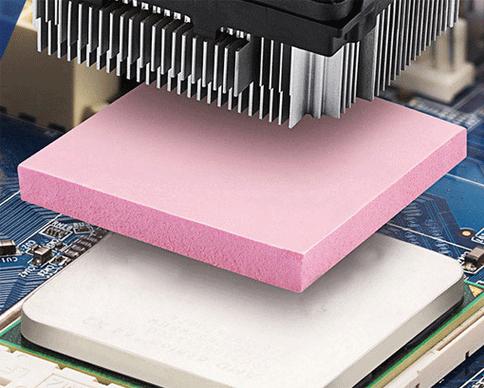
In your software (e.g., ANSYS Icepak, FloTHERM), represent the TIM not merely as a solid block with a bulk conductivity, but use a “Contact Resistance” or “Interface Resistance” feature if available. This allows you to directly input the total thermal impedance (θ_jc or θ) value, which encapsulates both bulk and contact resistance. - Use Pressure-Dependent Data:
The performance of a TIM is not constant. Request from your supplier a graph of Effective Thermal Conductivity or Thermal Impedance vs. Applied Pressure. You can then model this relationship in advanced simulations or at least use the value corresponding to your assembly’s clamping pressure, rather than an arbitrary default. - Account for Pump-Out & Degradation in Long-Term Analysis:
For reliability simulations (e.g., estimating lifespan), the TIM’s performance may degrade. While difficult to model precisely, a sensitivity analysis using a degraded thermal resistance value (e.g., 20-30% higher) based on long-term test data can provide crucial insight into worst-case scenarios over the product’s life.
The Validation Process:
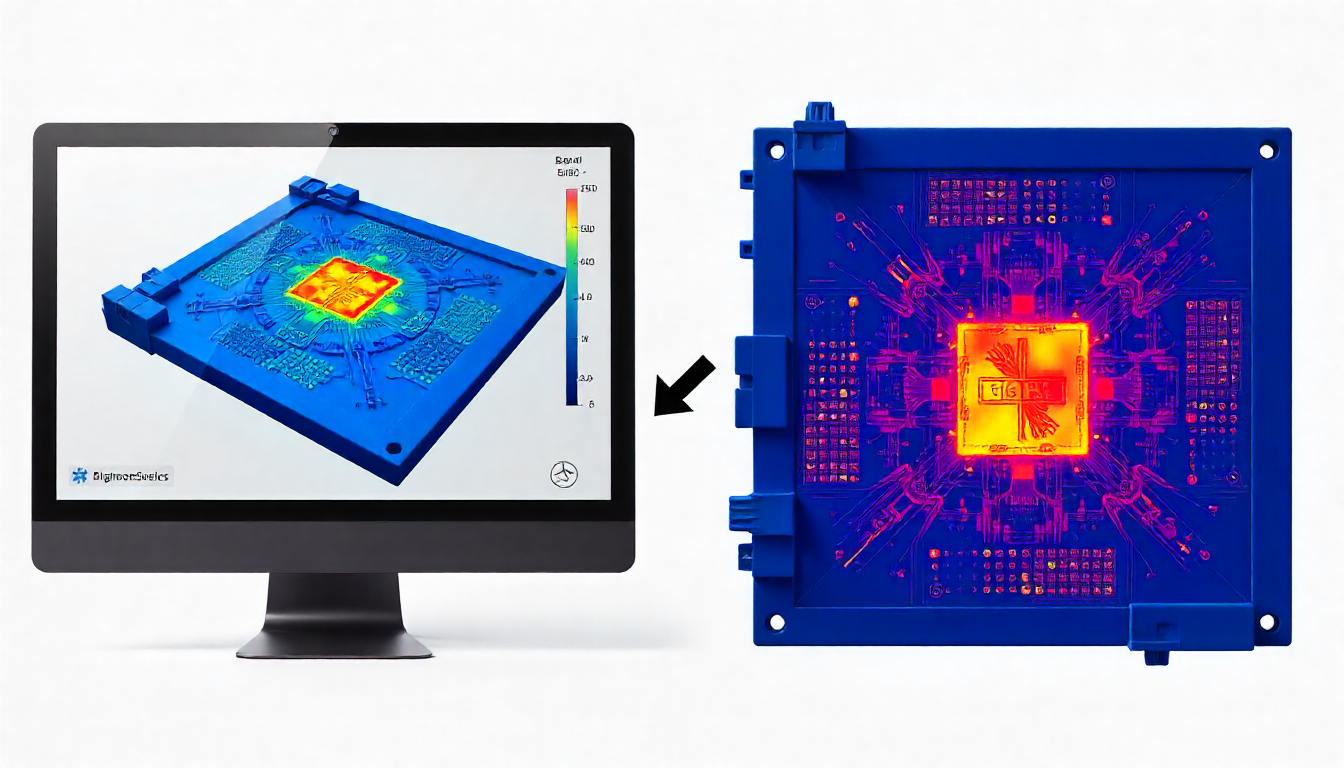
Build a correlation test vehicle—a simplified version of your thermal system. Measure junction temperatures with a precisely characterized TIM under controlled conditions. Then, replicate this exact setup in your CFD model, tuning the TIM parameters until the simulated temperatures match the measured data. This calibrated model then becomes a highly reliable predictor for future design iterations.
By investing in this correlation loop, you transform thermal simulation from an educated guess into a predictive engineering tool. We support this effort by providing the detailed, pressure-dependent thermal impedance data necessary to build trustworthy models and reduce costly physical prototyping cycles.