Containing the Chain Reaction: Using TIMs as Thermal Runaway Barriers in Battery Packs
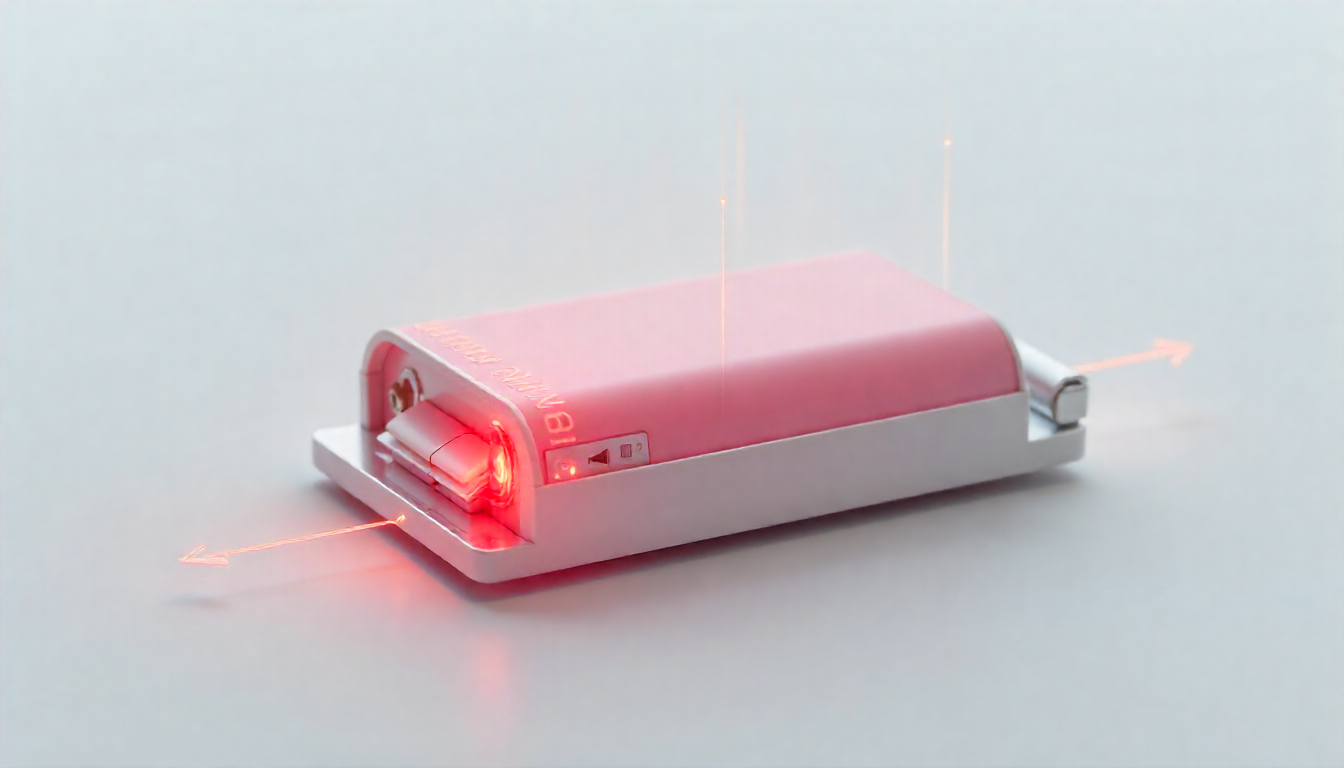
In a lithium-ion battery pack, a single cell failing into thermal runaway can release enough heat to trigger its neighbors—a chain reaction leading to a full pack fire. Beyond cooling, a critical safety function of Thermal Interface Materials (TIMs) in modern packs is to act as thermal barriers or propagation delayers, buying crucial time for safety systems to activate or for occupants to evacuate.
The Role of TIMs in Battery Safety:
Traditional TIMs focus on low thermal resistance. For safety barriers, the goal shifts: we need materials with low thermal diffusivity—they should resist the rapid flow of heat. These “TIMs” are often better described as Thermal Propagation Resistant (TPR) materials.
Material Strategies for Propagation Delay:
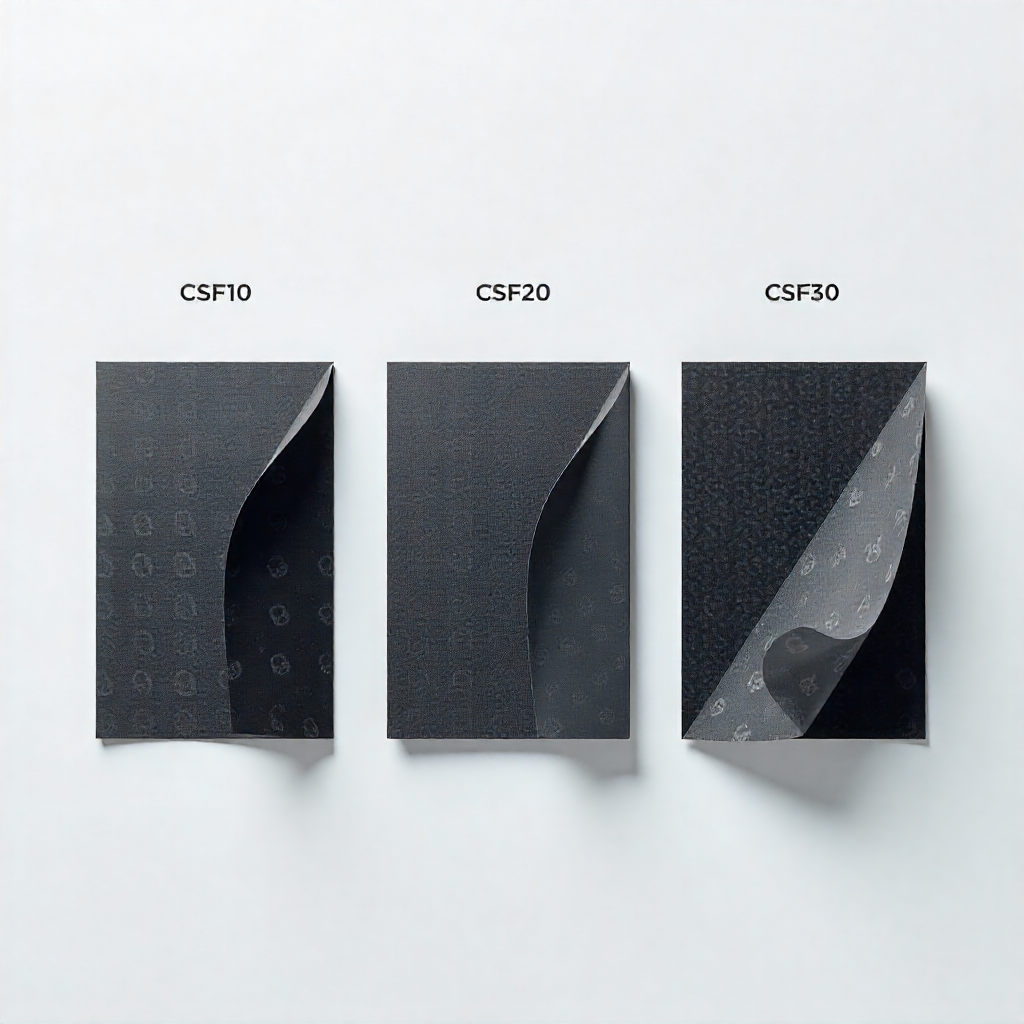
- Intumescent Materials: These pads contain chemicals that expand dramatically (intumesce) when exposed to extreme heat (~300-400°C). The expansion creates a charred, low-density insulating layer that physically separates cells and blocks radiant and conductive heat transfer.
- High-Thermal-Capacity Materials: TIMs with embedded Phase Change Materials (PCMs) or high specific heat capacity fillers can absorb a large amount of the runaway cell’s energy as latent or sensible heat, reducing the energy transferred to the next cell.
- Aerogel-Based Insulators: Silica or ceramic aerogels are among the best solid insulators known. Thin aerogel sheets or composites can be placed between cells as ultra-lightweight, highly effective thermal barriers, though they are fragile and expensive.
- Ceramic Fiber Mats: Robust, non-combustible mats made of alumina-silica fibers provide both physical separation and significant thermal insulation between cells.
Integration and System Design:
These materials are integrated into the pack’s mechanical design, often placed in the inter-cell spacers or module walls. They work in concert with other safety features: cell spacing, cooling systems, and venting channels. Their performance is validated through abuse testing (nail penetration, overcharge) where the time from first cell failure to propagation to adjacent cells is measured.
For battery engineers, selecting these materials is a safety-critical decision. They are a key component in the “defense-in-depth” strategy required to achieve stringent new safety standards for electric vehicles and grid storage.