Cooling AI Servers: Thermal Pads for GPU & CPU Arrays
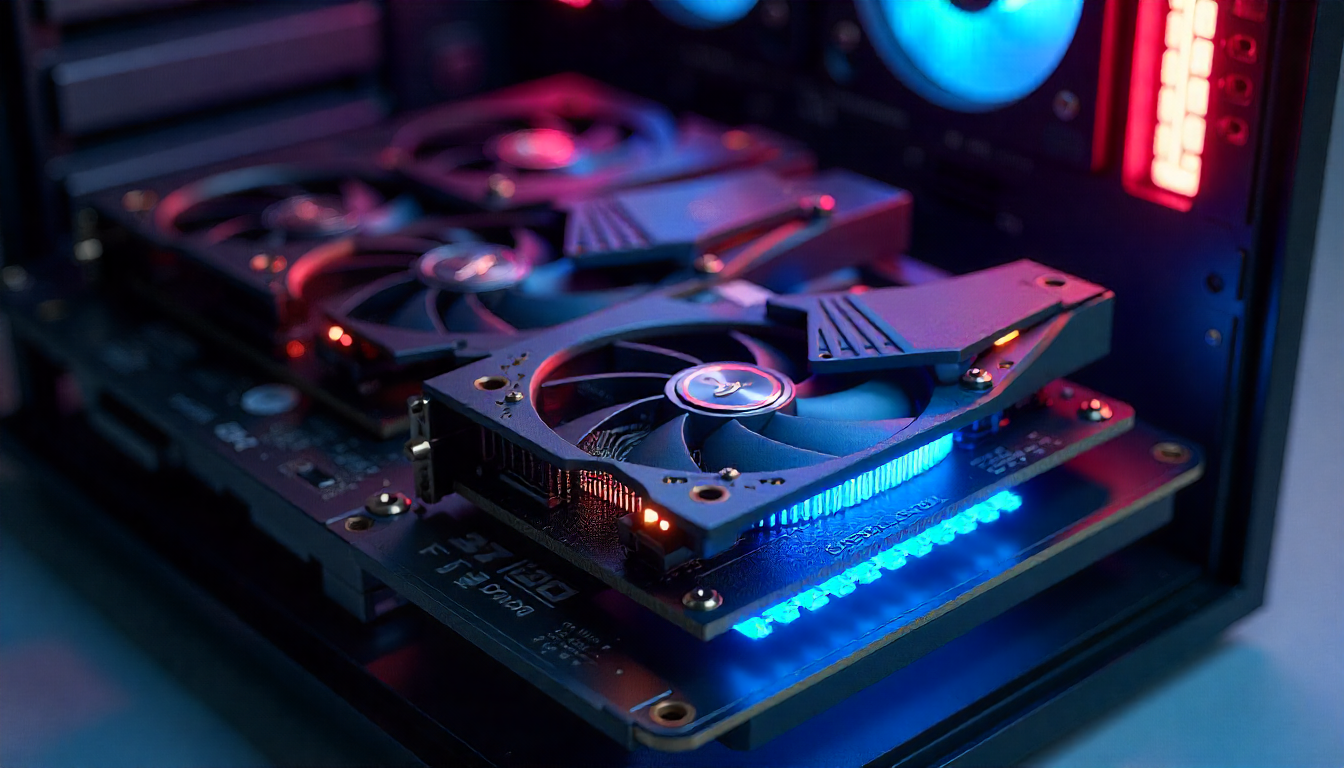
The relentless compute demand of AI and high-performance computing pushes hardware to its thermal limits. Unlike standard applications, AI server cooling must address intense, localized heat from densely packed GPU and CPU arrays, where even minor hotspots can trigger performance throttling in data centers.
Why Standard Solutions Fall Short
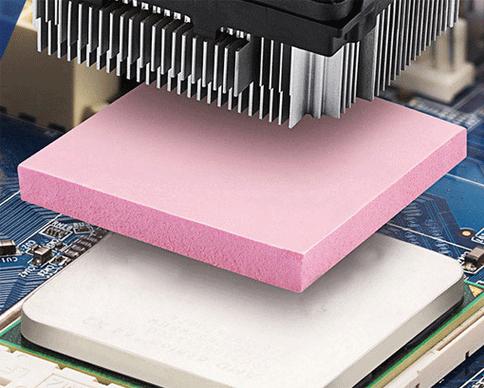
Standard thermal interface materials often fail under these extreme conditions. The sheer size of modern processor dies and the height variations between chips, memory modules, and voltage regulators create complex thermal challenges in AI hardware. Air gaps are the enemy, and a one-size-fits-all pad cannot ensure uniform pressure and contact across all components. This inconsistency directly leads to thermal throttling of NVIDIA and AMD processors, crippling your computational throughput for machine learning workloads.
Engineering the Solution: Material Properties for AI
Selecting the correct thermal pad for high-power processors requires a focus on three advanced properties:
- Ultra-High Thermal Conductivity & Low Resistance: Look for pads rated above 10 W/mK thermal conductivity. More crucial is low thermal impedance under pressure, ensuring efficient heat transfer from die to heatsink under actual mounting conditions.
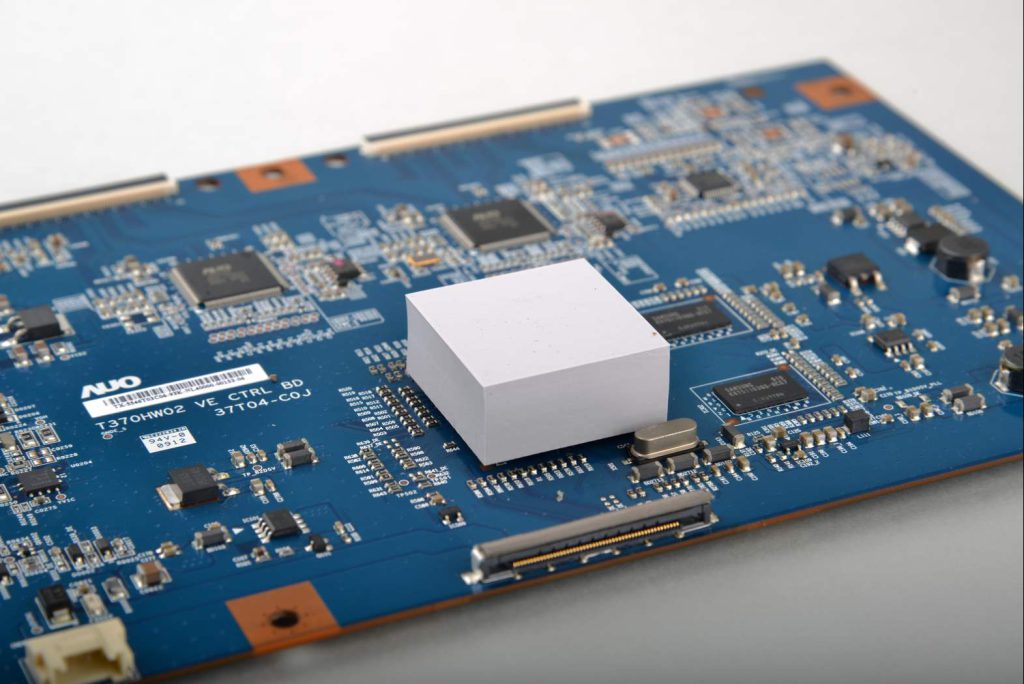
- Exceptional Conformability: Materials must have low hardness and high compressibility to flow into microscopic imperfections. This is critical for cooling GPU memory chips (GDDR6X) which are often lower than the main GPU die, requiring the pad to bridge significant gaps without leaving voids.
- Long-Term Stability: In a 24/7 server environment, materials degrade. Premium pads are engineered to resist the pump-out effect and maintain stable performance over thousands of thermal cycles, ensuring server uptime and reliability aren’t compromised after months of operation.
Implementation: Beyond the Pad
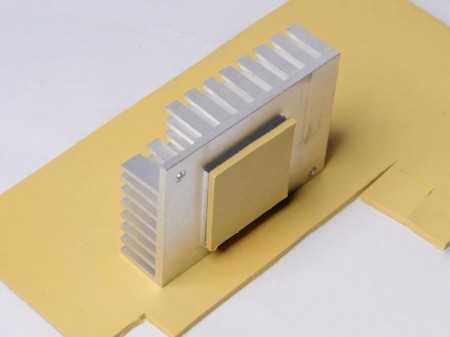
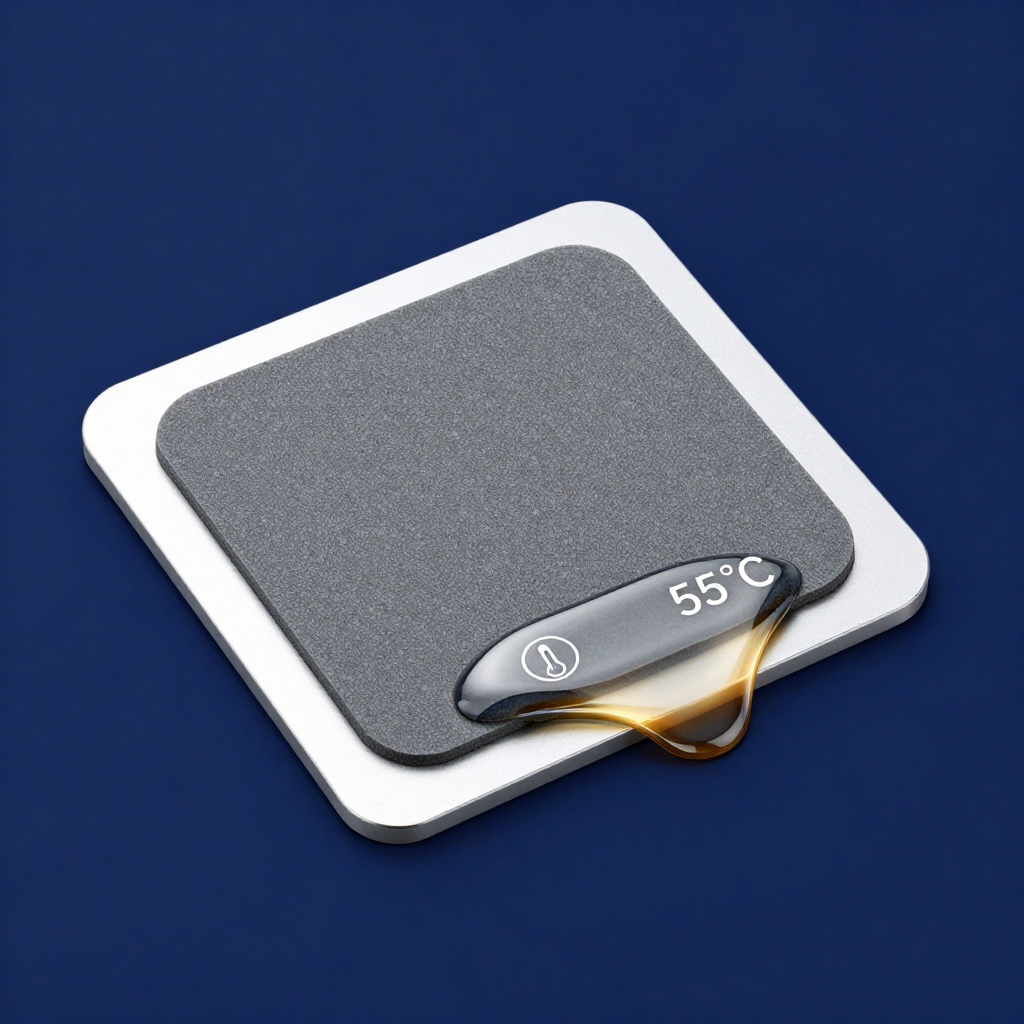
Pairing the right material with proper design is key. Calculating the correct thermal pad thickness for each gap is essential to achieve optimal mounting pressure. Furthermore, considering pre-cured, phase-change thermal pads can simplify assembly for large-scale data center deployment, providing consistent performance right from the first power-on. By adopting this holistic approach to thermal management for HPC clusters, engineers can unlock full, sustained performance from their AI infrastructure.