Cooling Electric Vehicle Power Electronics: Why Standard Thermal Pads Aren’t Enough
The electric vehicle revolution hinges on efficiency, and at the heart of efficiency lies thermal management. Power electronics like traction inverters, OBCs (On-Board Chargers), and DC-DC converters house high-heat-flux components like IGBT and SiC modules. Keeping these cool is paramount for performance, range, and longevity.
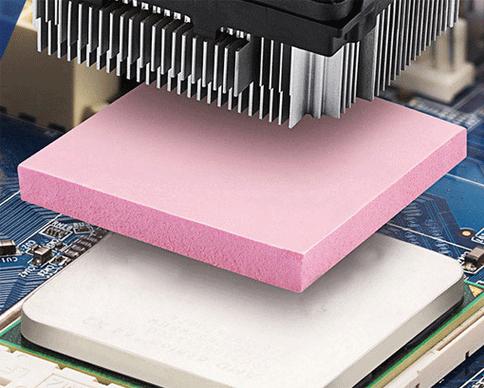
Standard silicone thermal pads, while useful in benign environments, often fall short under the harsh conditions of an automotive application. They can struggle with:
- Extreme & Cyclic Temperatures: From freezing cold starts to sustained high-power operation.
- Constant Vibration: Which can compromise contact pressure and interface integrity over time.
- Demanding Lifespan Requirements: Often 8,000-10,000 hours of reliable operation.
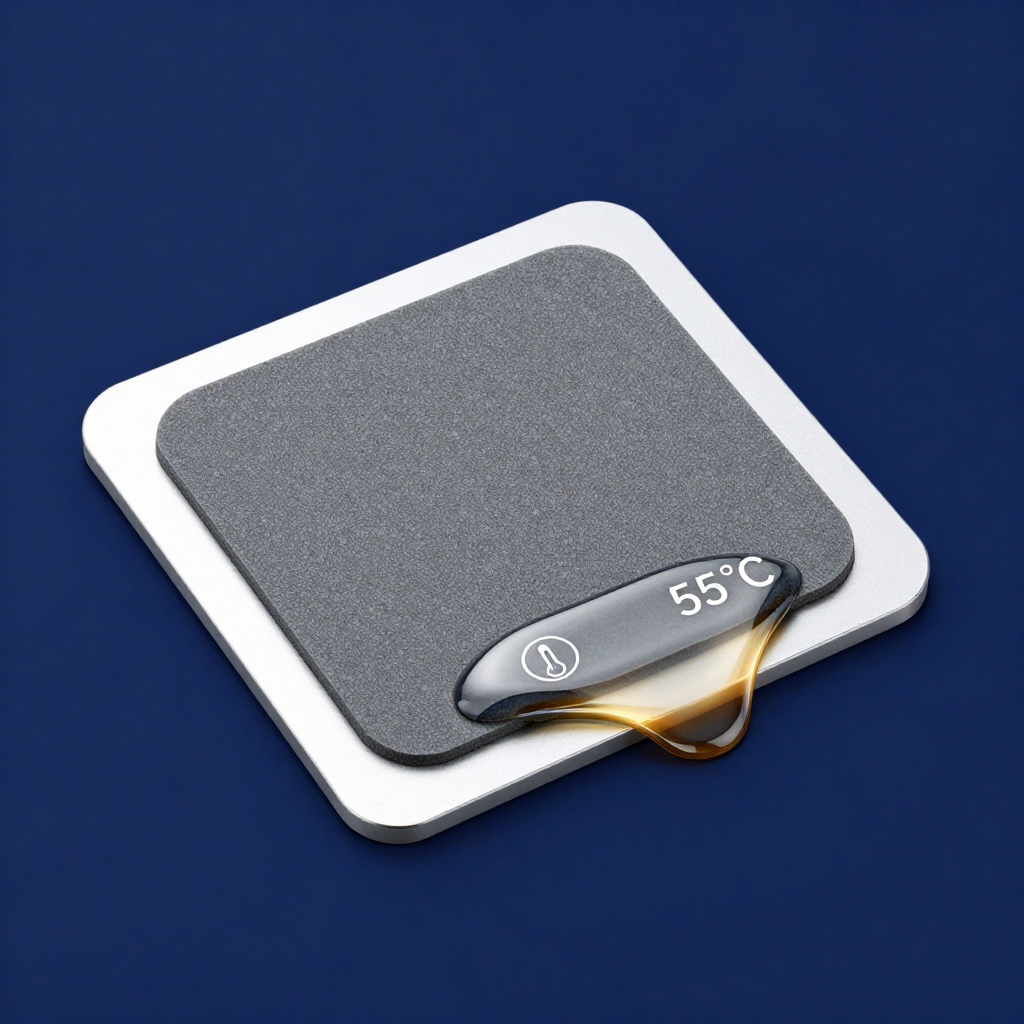
This is where automotive-grade phase change thermal materials demonstrate their engineered superiority. A product like the SP180 Phase Change Pad is designed to meet these challenges head-on:
- Vibration Resistance: Upon cooling and resolidifying, the material mechanically “locks” the interface, maintaining strong contact even under vibration, preventing the formation of insulating air gaps.
- Wide Temperature Performance: Formulated to operate reliably across the automotive temperature range (typically -40°C to +150°C), ensuring consistent performance from a cold morning to a hot desert drive.
- Long-Term Stability: The non-pump-out characteristic is critical for the thousands of thermal cycles an EV endures throughout its life, preventing the gradual degradation that leads to overheating.
For engineers selecting a thermal interface for IGBT modules or other EV power electronics, the key is to specify a material whose reliability is proven for the application’s environment, not just its initial thermal resistance.
Delve deeper into how a vibration-resistant thermal interface can enhance the durability of your automotive designs. The technical specifications and reliability testing protocols for our automotive-suitable SP180 Phase Change Pad provide the data you need to make a confident, qualification-ready choice.