Cooling in the Dark: Thermal Management for Image Intensifier Tubes in Night Vision Systems
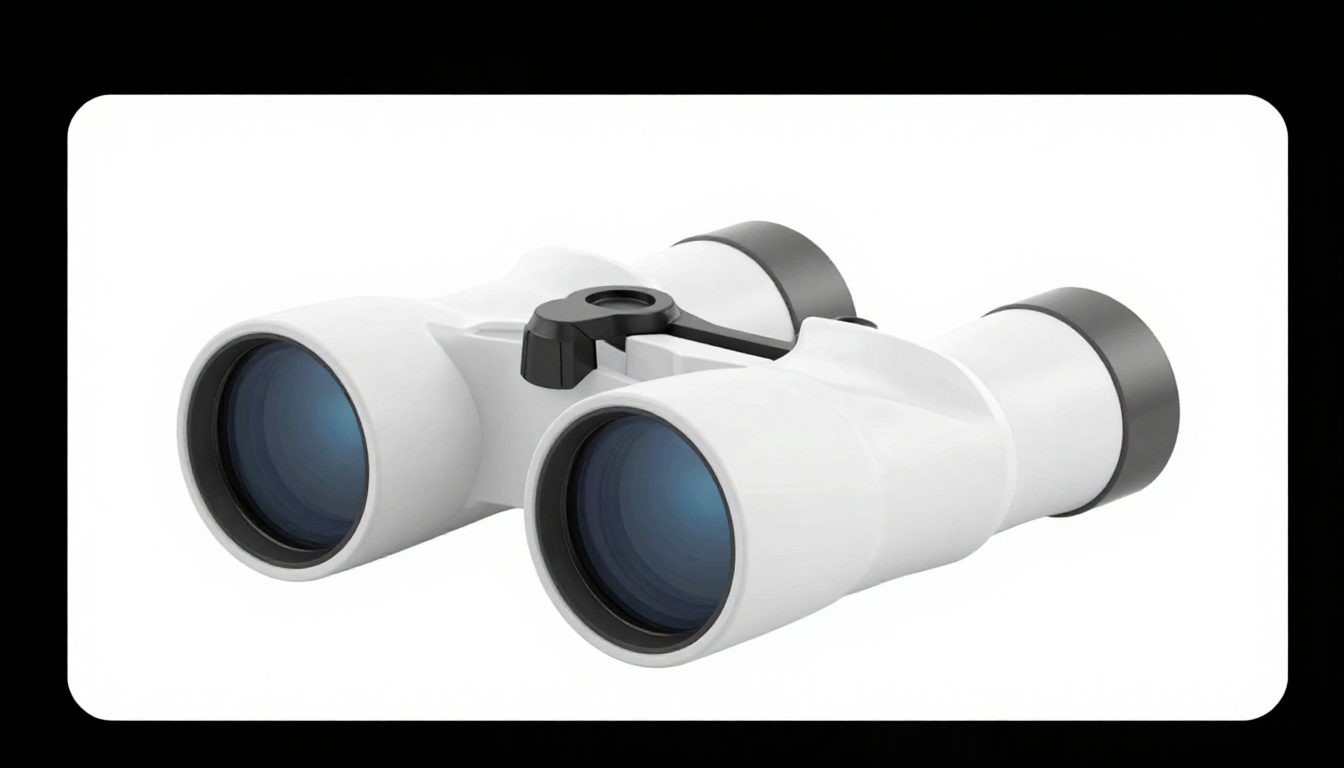
Night Vision Goggles (NVGs) and scopes amplify tiny amounts of light to create a visible image. Their core—the Image Intensifier (I²) tube—and its supporting high-voltage power supply generate heat during operation. This heat must be managed to ensure tube longevity and prevent image “blooming,” but the solution must be lightweight, compact, and not increase the user’s infrared (IR) signature. This creates a unique set of constraints for Thermal Interface Materials (TIMs).
The NVG Thermal Challenge:
- Heat Sources: The Microchannel Plate (MCP) inside the I² tube and the high-voltage inverter are primary heat generators. Excessive heat reduces the tube’s signal-to-noise ratio and lifespan.
- The Stealth Imperative (Military): Any external heatsink or highly conductive path to the housing can warm the outer surface, making the user more visible to thermal imaging (FLIR) cameras. Thermal management must be low-observable.
- Environmental Ruggedness: Systems must operate in extreme climates and survive drops and vibration. TIMs cannot crack or pump out.
- Material Compatibility: NVG housings are often made of specialized polymers (e.g., polycarbonate blends). The TIM must be compatible and not cause stress cracking.
Thermal Management Strategies:
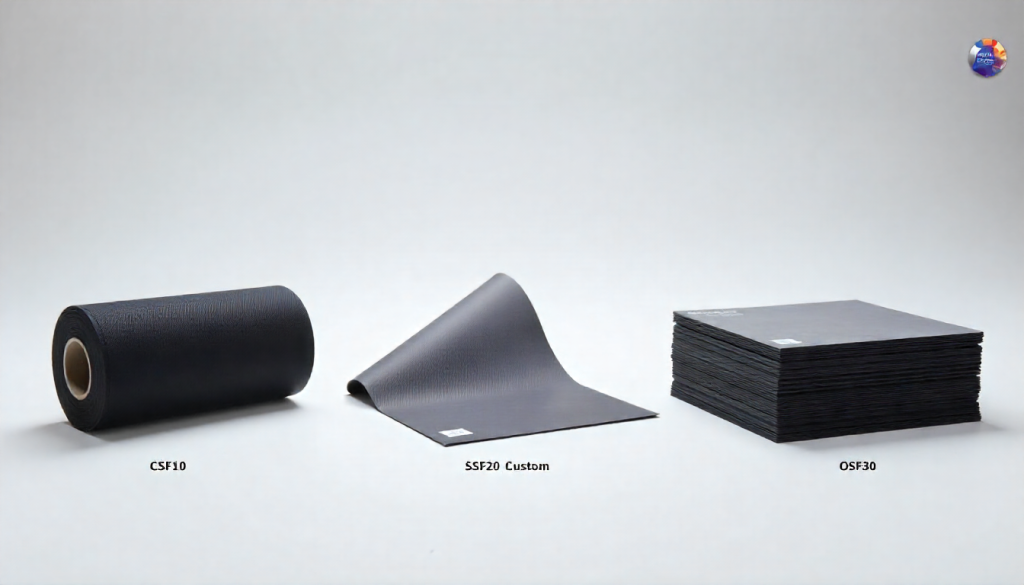
- Internal Heat Spreading: Use thin, flexible graphite sheets (PGS) or conductive polymers to spread heat internally across the back of the tube assembly or within the housing, avoiding localized hot spots on the exterior.
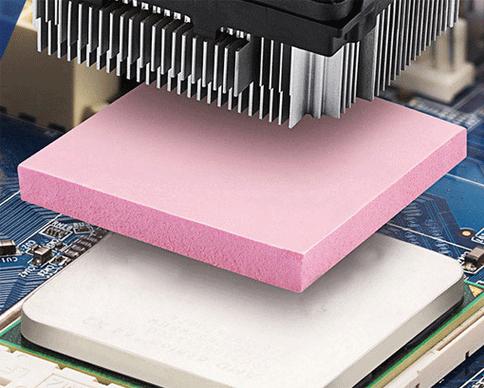
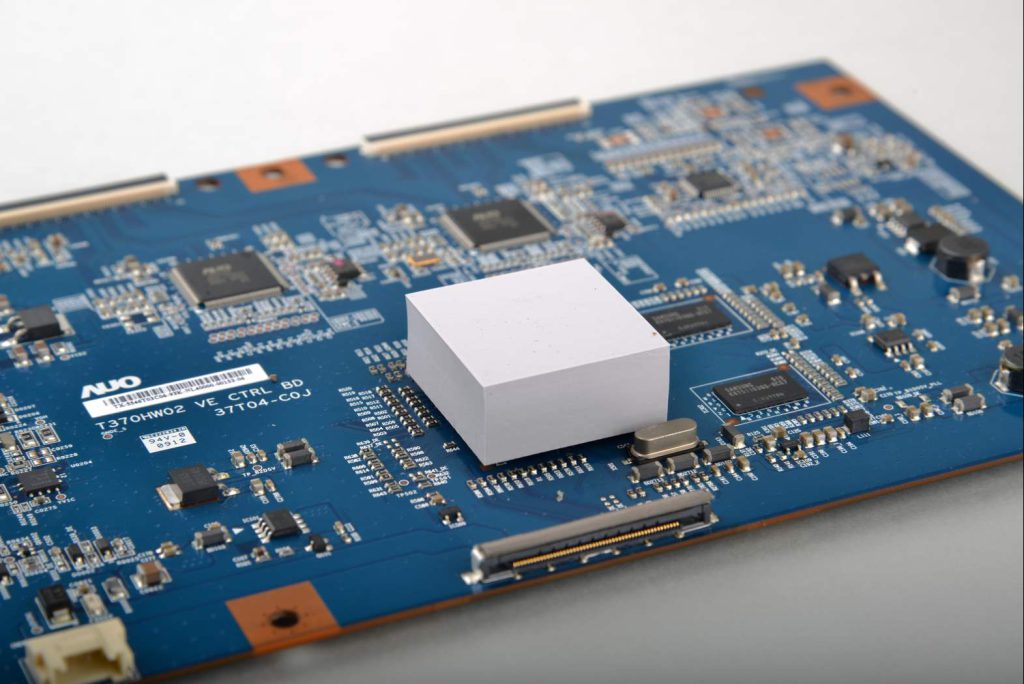
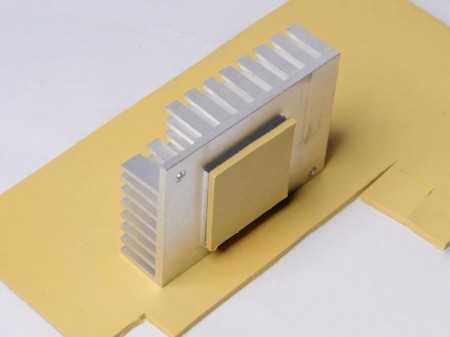
- Conduction to Structural Mass: Strategically place thermally conductive pads to transfer heat from the tube and inverter to internal metal structural elements or the massive battery housing, using them as thermal mass to absorb and slowly dissipate heat.
- Low-IR-Signature Materials: Avoid creating efficient thermal bridges to the outer plastic shell. Use TIMs with moderate conductivity to provide a controlled, slowed heat transfer path.
- Reliability-First Selection: Choose TIMs with proven performance under thermal shock and vibration, such as certain gap-filling gels or stable phase change materials.
In NVG design, thermal management is a subtle balancing act. The goal is not to achieve the lowest possible component temperature, but to maintain safe operating temperatures while minimizing all detectable signatures and maximizing field reliability. The TIM is a key enabler of this balance.