Cradle-to-Grave: A Realistic Look at the Environmental Impact of Thermal Interface Materials
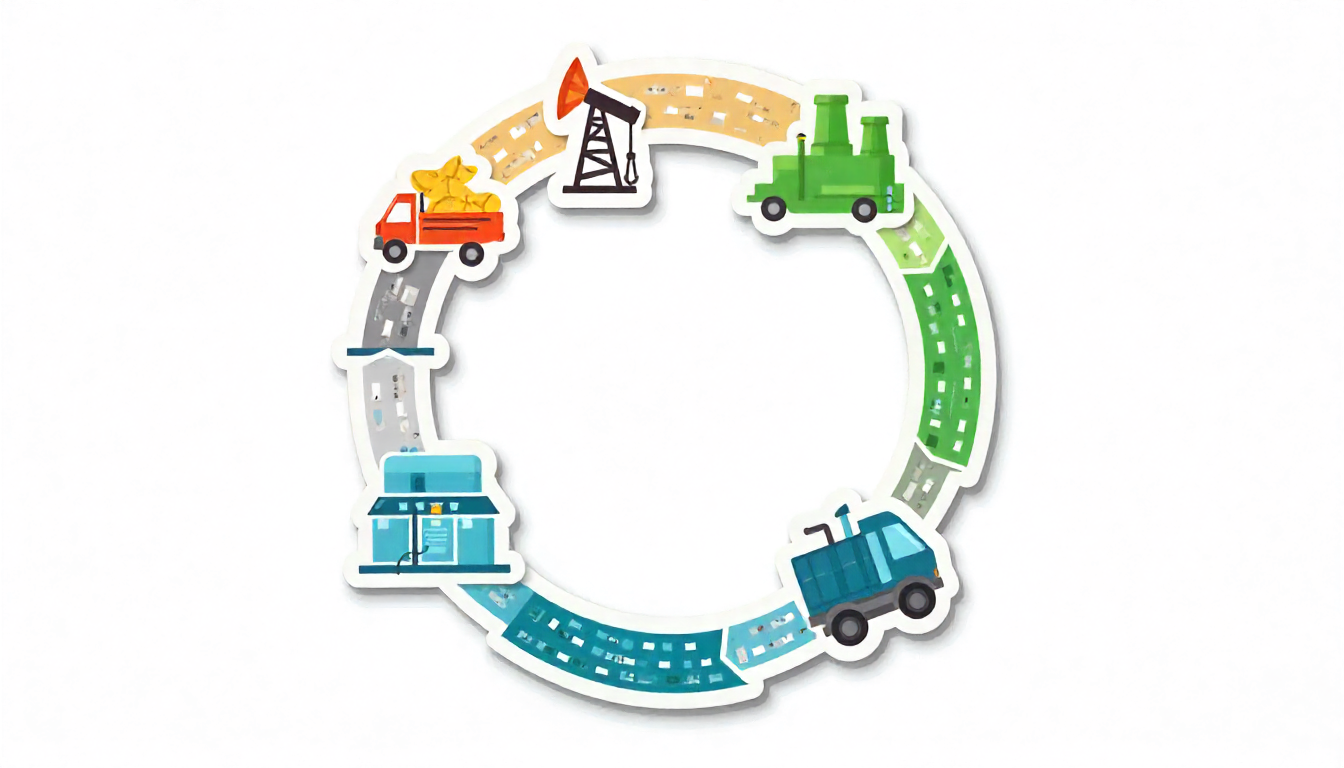
The push for sustainable electronics rightly extends to every component, including TIMs. However, the narrative is often oversimplified. A truly sustainable choice requires a cradle-to-grave lifecycle assessment, acknowledging trade-offs and current technological limits.
Breaking Down the Lifecycle Stages:
- Raw Material Extraction & Processing:
- Polymers: Most (silicone, polyolefin) are derived from fossil fuels. The extraction and refining process is energy-intensive.
- Fillers: Mining alumina or graphite has land-use and energy impacts. High-performance fillers like boron nitride require significant processing energy.
- The “Bio-Based” Promise: Polymers derived from plants are emerging but face challenges with consistent supply, performance at high temperatures, and cost. Their true footprint depends on agricultural practices.
- Manufacturing & Transportation:
- The compounding and calendering processes are energy-heavy. Geographic distance between material sources, factories, and end-users adds transportation emissions.
- Use Phase – The Dominant Positive Impact:
- This is the most significant, yet often overlooked, environmental contribution of a high-performance TIM. By enabling efficient cooling, it allows electronics to operate more efficiently (reducing energy use), last longer (delaying e-waste), and enable denser computing (reducing physical resource use per computation). A TIM that prevents a 10W increase in fan power over 5 years saves over 400 kWh of energy.
- End-of-Life: The Grand Challenge:
- Recycling is Extremely Difficult: TIMs are typically not removed from PCBs during recycling. They contaminate shredder streams and can release substances during processing. They are generally downcycled, incinerated for energy recovery, or landfilled.
- Design for Disassembly: The most impactful action is to design products where TIM-coated heatsinks can be easily separated from the PCB, but this conflicts with trends toward permanent bonding for performance.
The Path Forward:
Honest sustainability means optimizing for longevity and energy efficiency in the use phase while supporting R&D into cleaner materials and better end-of-life systems. We are committed to this balance—providing materials that maximize reliability and efficiency today while actively investigating more sustainable material chemistries for tomorrow.